British Racing Green. Just saying it out loud feels like revving a classic Jaguar E-Type on a country lane. It's one of the most evocative colours in automotive history — and it belongs unmistakably to Britain.
But what exactly is British Racing Green? Where did it come from, and why does it still carry such a charge today? Buckle up.
What Colour Is British Racing Green?
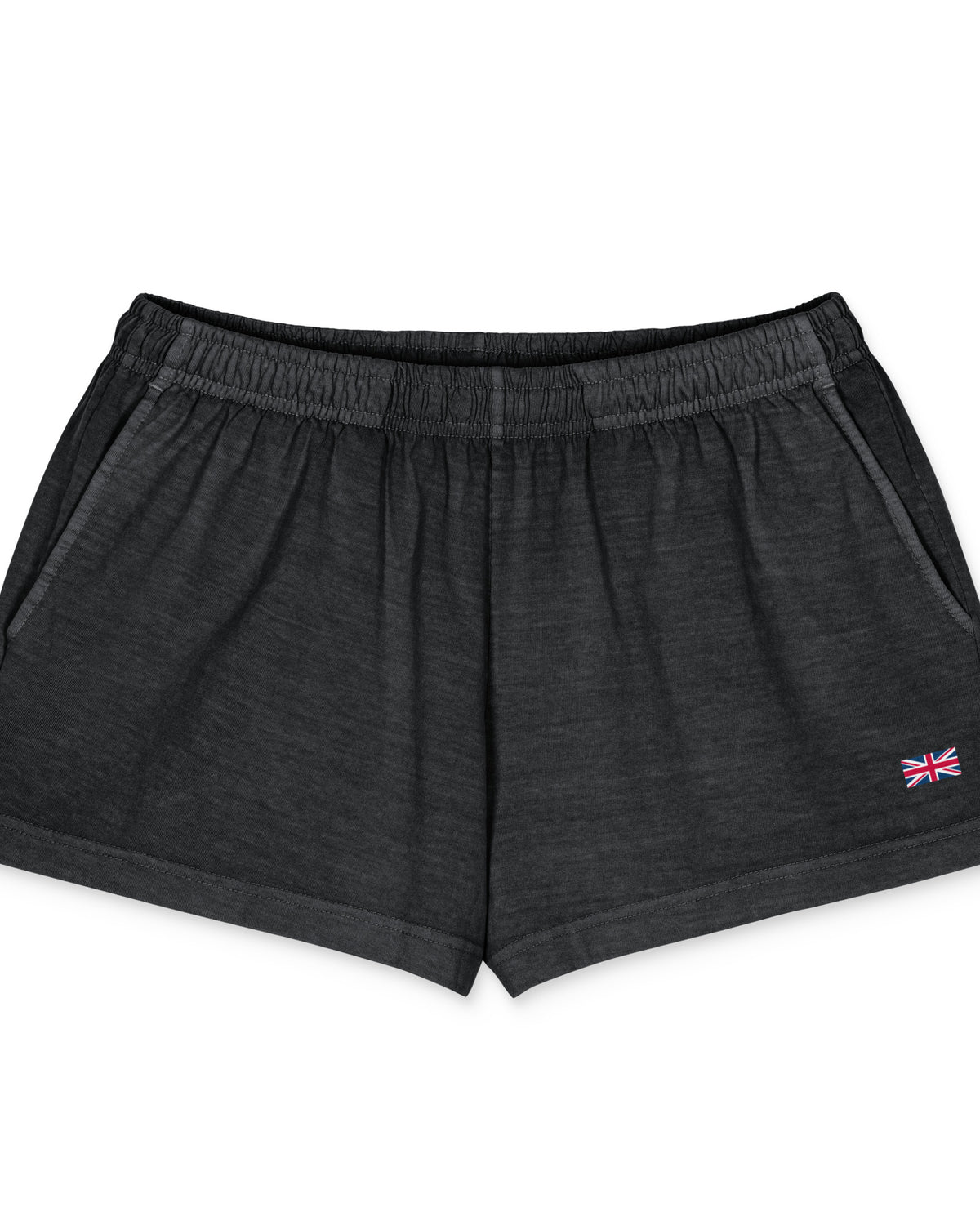
Here's the cheeky truth: there's no single, definitive shade. British Racing Green isn't a Pantone number or a precise hex code — it's more of a family of deep, rich greens. Think Brunswick green, forest green, hunter green, or moss green. When you see a shade in that spectrum applied to a sports car (or, say, a rather handsome piece of clothing), you know it in your bones.
If you're after a rough reference, the most commonly cited hex is around #004225 — a deep, dark, gloriously moody green. But you'll find legitimate British Racing Greens anywhere from British Leyland's lighter 1970s hue to the near-black shade Aston Martin uses today.
The Surprising Origins: It's Actually Irish
Yes, really. British Racing Green owes its existence to Ireland.
In the early days of motorsport, each competing nation was assigned a racing colour. Britain's colour was green — chosen as a gesture of respect when the 1903 Gordon Bennett Cup was held in Ireland, which was then still part of the United Kingdom.
British cars were painted green in honour of the host nation. The race was a success, the colour stuck, and a legend was born. Ireland eventually left the UK, but Britain kept the green. Cheers, lads.
The Golden Age: 1950s and 1960s
British Racing Green really hit its stride in the post-war decades, when Britain dominated international motorsport and the world couldn't get enough of it.
Manufacturers like Jaguar, Austin-Healey, Triumph, and Vanwall were turning out some of the most beautiful and capable cars ever made — and a great many of them wore that distinctive green. It became shorthand for British engineering at its finest: precise, elegant, and just a bit dangerous.
The D-Type Jaguar that won Le Mans three times in a row? British Racing Green. The Vanwall that handed Britain its first Formula One Constructors' Championship in 1958? British Racing Green. It was everywhere — and it was glorious.
Why British Racing Green Still Matters
Fast forward to today, and the colour hasn't lost a drop of its prestige. Aston Martin uses it as a signature hue across their lineup. Lotus wraps their cars in it. Even Jaguar Land Rover has leaned back into its heritage with BRG editions.
Beyond cars, British Racing Green has become a broader cultural shorthand — a colour that says quality, heritage, and understated confidence. It turns up in interiors, fashion, branding, and design whenever someone wants to signal a certain kind of Britishness: not brash, not shouty — just quietly excellent.
British Racing Green and British Style
It's no coincidence that green has had a serious moment in British fashion, too. Deep, saturated greens — the kind that nod to BRG without hitting you over the head with it — have become a staple of the kind of easy, confident dressing that British style does best.
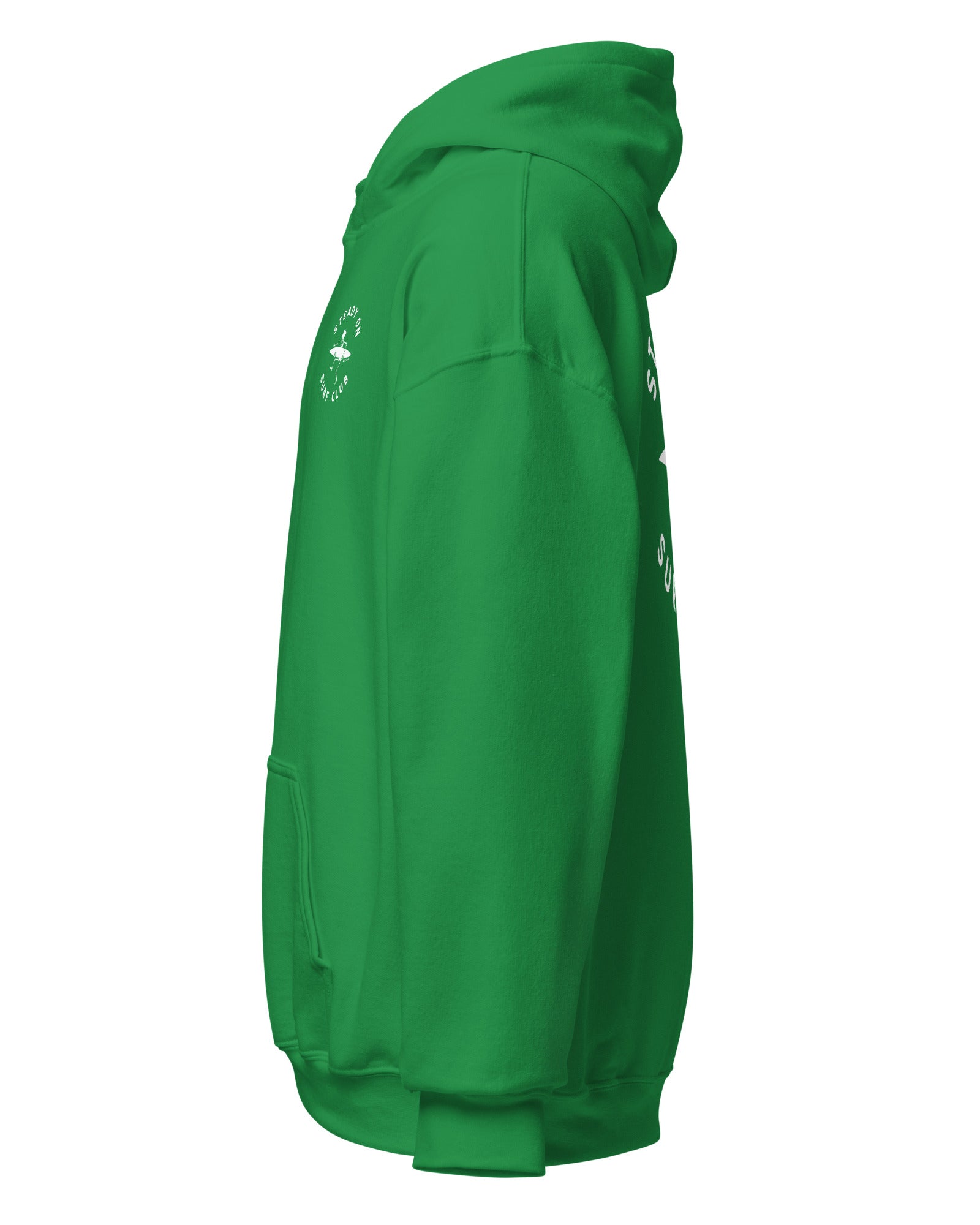
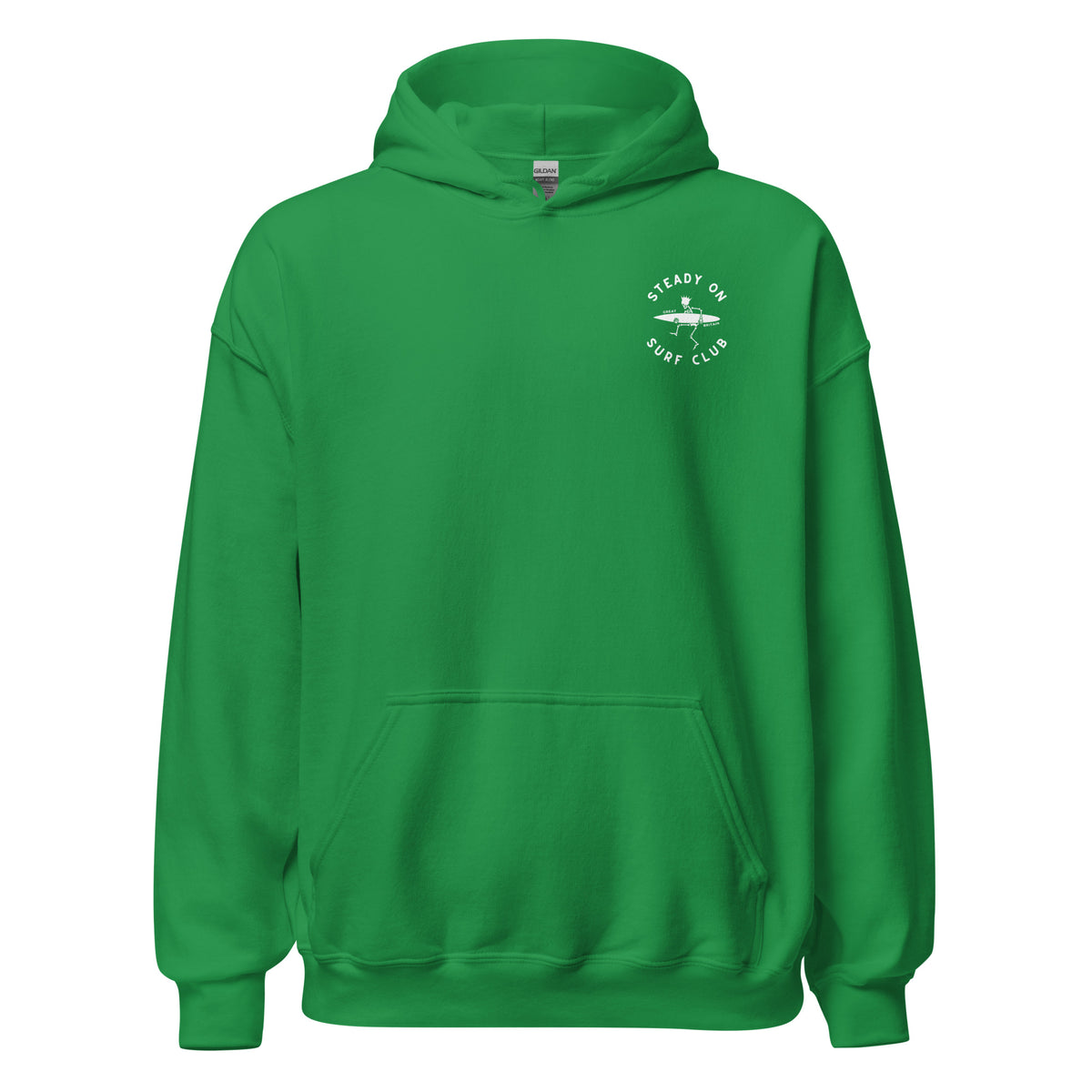
At Jolly & Goode, we're rather fond of a good green ourselves. Have a browse of our green items — from forest tones to kelly greens — and find your own shade of British cool.
The Bottom Line
British Racing Green started as a diplomatic gesture at a 1903 race in Ireland, became the colour of Britain's motorsport golden age, and never really went out of style. It's a shade with proper history behind it — and a reminder that the best things often have the most unexpectedly brilliant origins.
Now if you'll excuse us, we're off to go stand next to an E-Type in a field somewhere and look wistful.