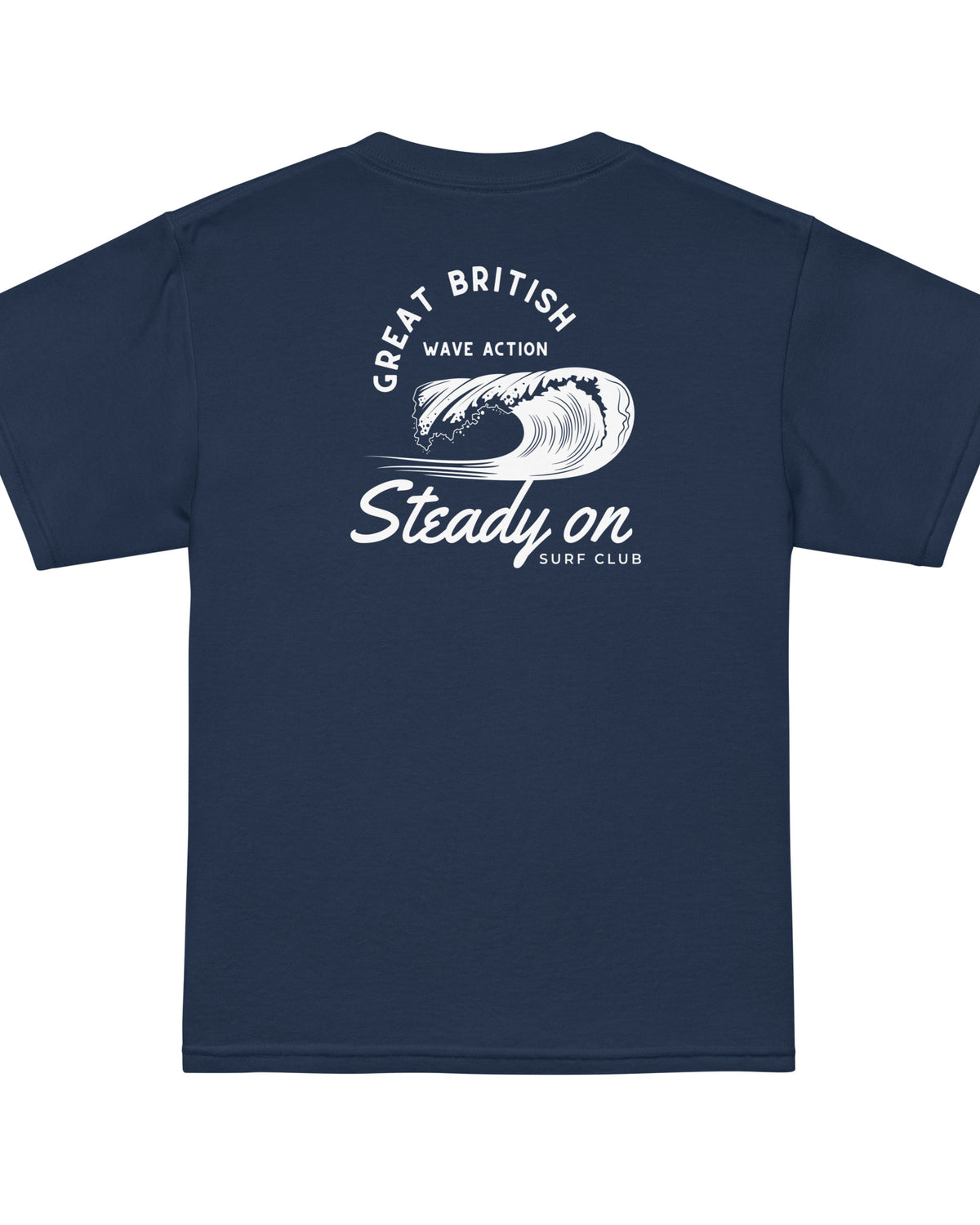
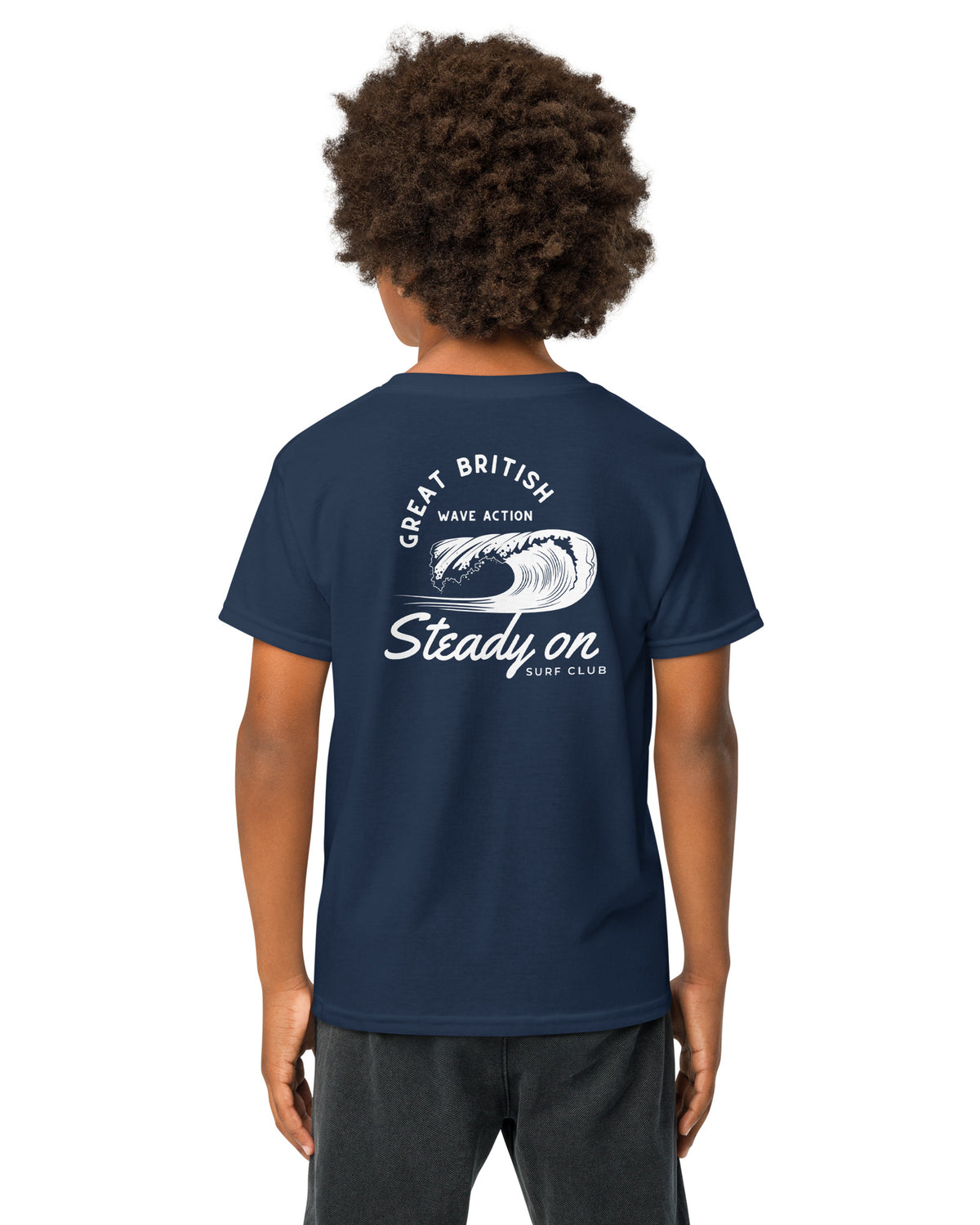
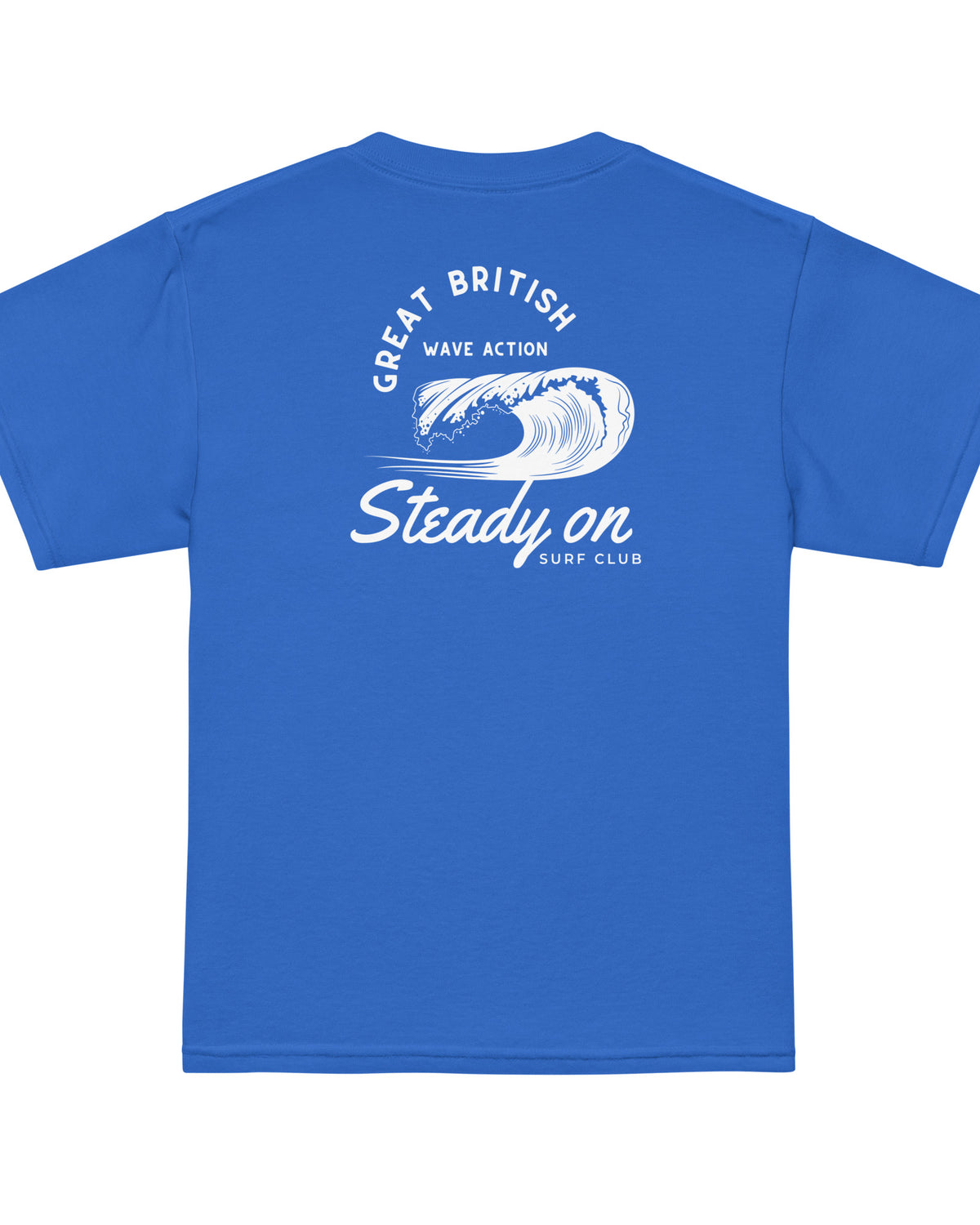
Most seaside towns in Britain are content to offer chips, a pier, and the vague hope that it won't rain. Brighton has always had slightly higher ambitions.
Since the Prince Regent decided to build a pleasure palace there in the early 1800s — all domes and minarets, completely mad, absolutely wonderful — Brighton has been the place you go when you want to do something a bit different. It has the sea. It has the pebbles (not the sand, but nobody's perfect). And it has, more than almost anywhere else in Britain, an unmistakable sense of style.
The Mods: When Brighton Became a Battleground of Cool
In the summer of 1964, Brighton made the front pages for reasons that had nothing to do with the weather. The Mods had arrived.
Mods — short for Modernists — were a distinctly British youth movement that had been building in the early 1960s, rooted in London's East End and Soho. They were obsessed with three things: Italian suits, Northern Soul, and their Vespas. They dressed impeccably. They danced all night. And on Bank Holiday weekends, they rode to the coast.
Brighton was the destination. The seafront became a stage. The Mods brought their parkas — military-surplus greatcoats worn over their sharp suits to keep off the spray — their two-tone shoes, and their attitude. On the other side of the seafront were the Rockers: leather jackets, motorbikes, an entirely different aesthetic.
The clashes that followed became legend — immortalised in the 1979 film Quadrophenia, which remains one of the finest documents of British youth culture ever made. Brighton in the rain. The seafront. The mod on the cliff. If you haven't seen it, go and watch it immediately.
But beyond the headlines, what the Mods gave Brighton — and British fashion — was something more lasting: the idea that how you dressed was a statement of who you were. That a working-class kid from East London could, with the right suit and the right shoes, look like nobody's idea of ordinary.
The Lanes: Where Style Lives
Brighton's North Laine and The Lanes have been the spiritual home of its style culture for decades. Narrow streets, independent boutiques, vintage shops stacked floor to ceiling with exactly the kind of thing you didn't know you needed until you found it.
This is where Brighton's instinct for individuality finds its natural expression. Not the high street. Not the mall. The place where someone has curated something specific for someone specific — and where you come out carrying a paper bag with something in it that nobody else has.
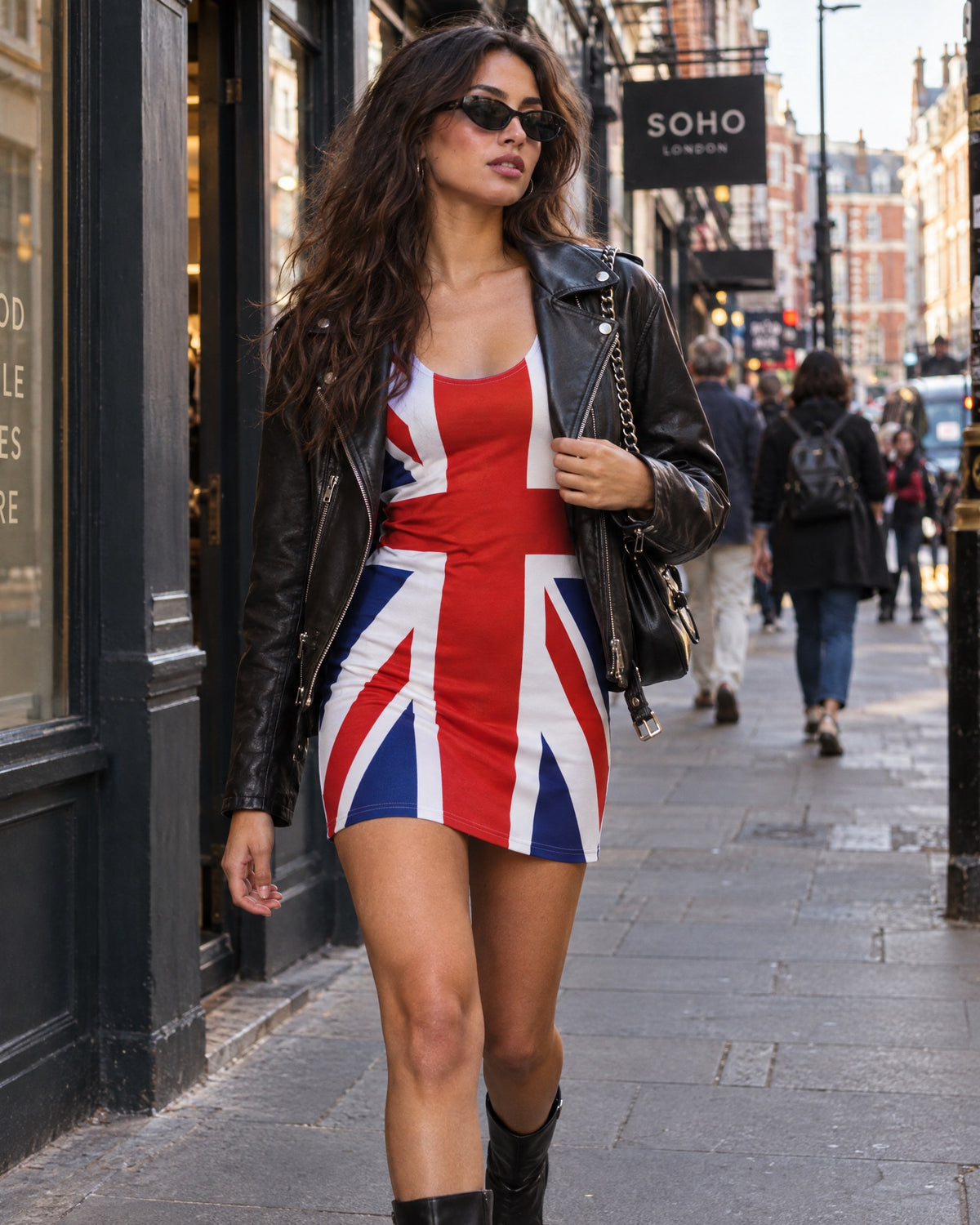
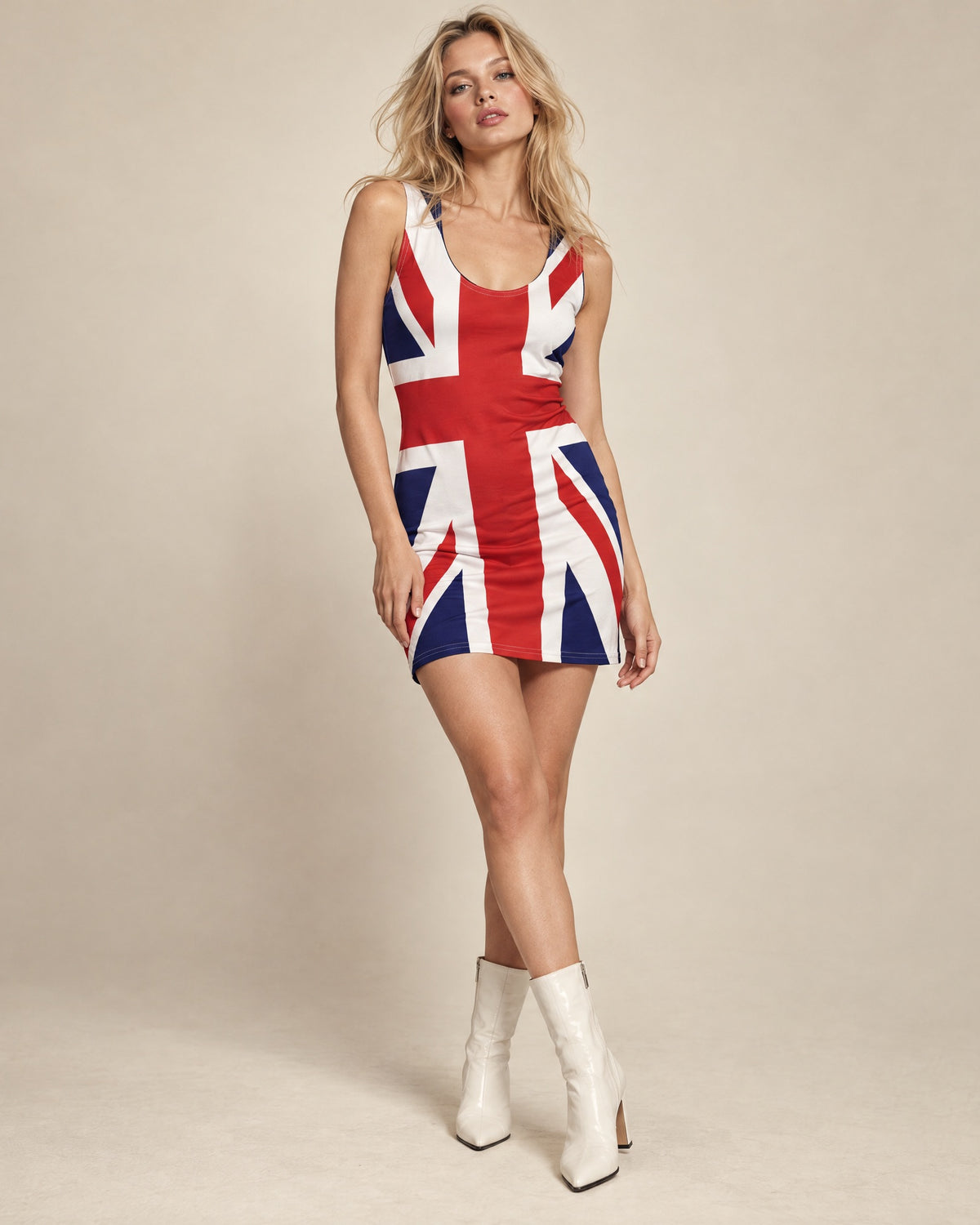
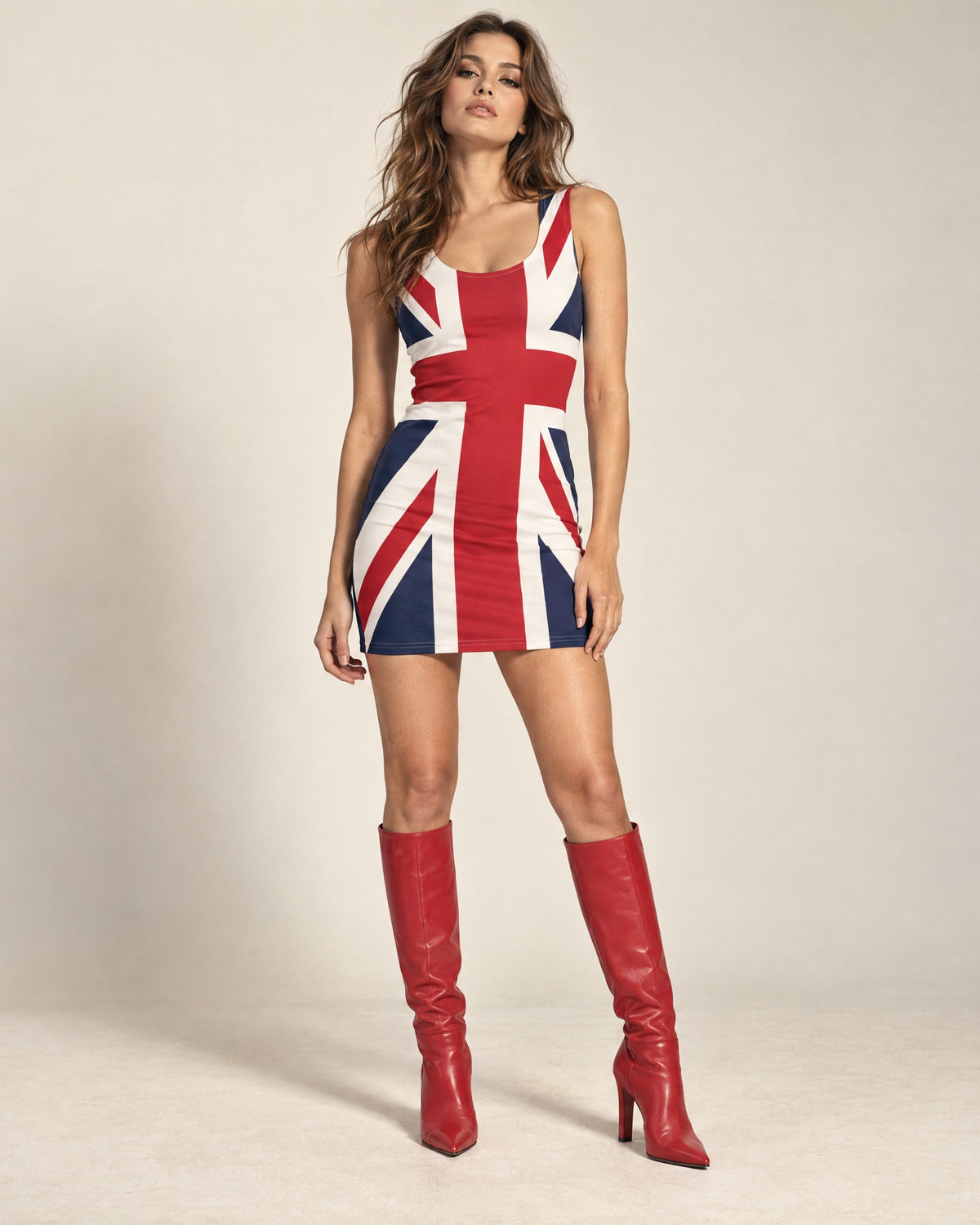
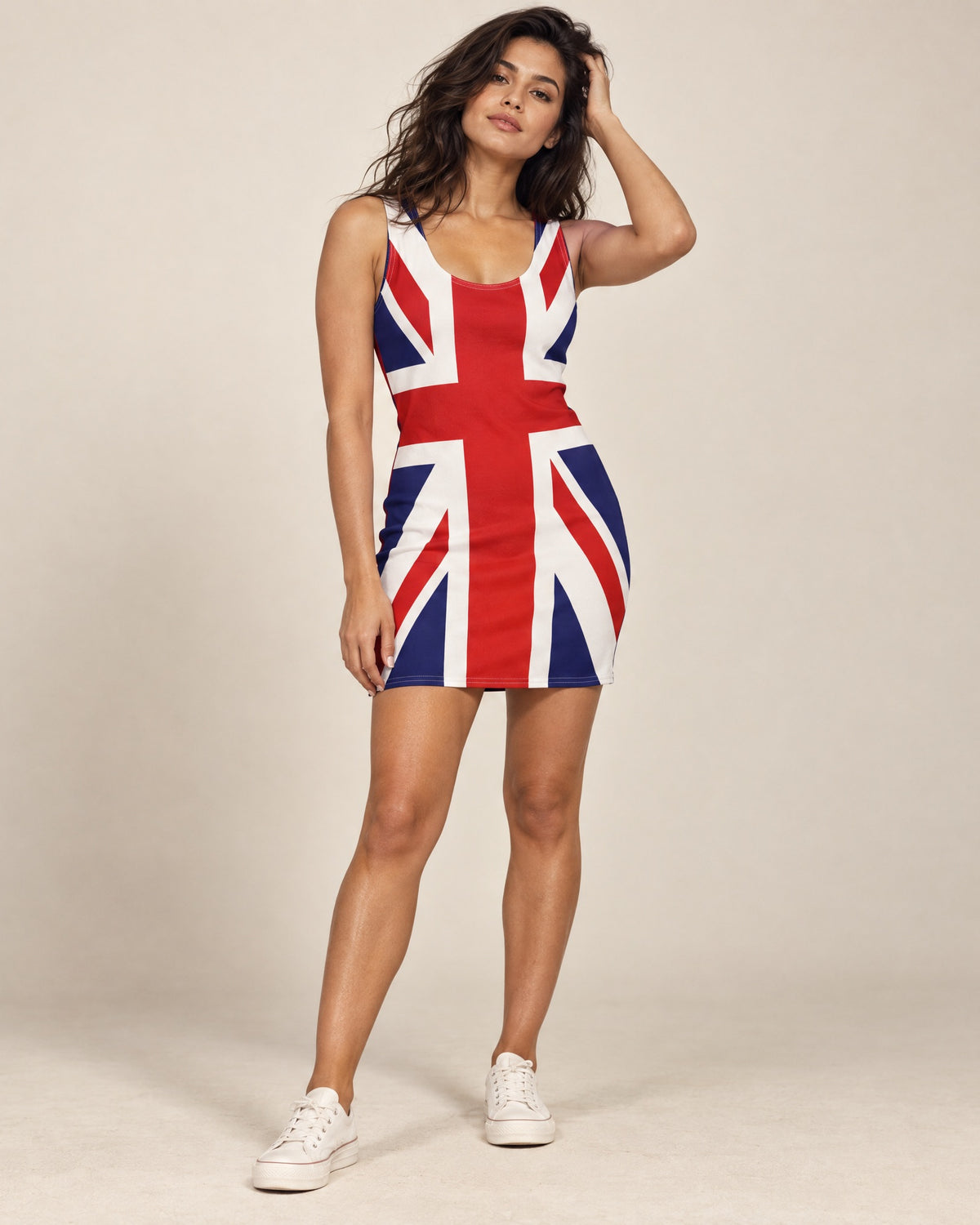
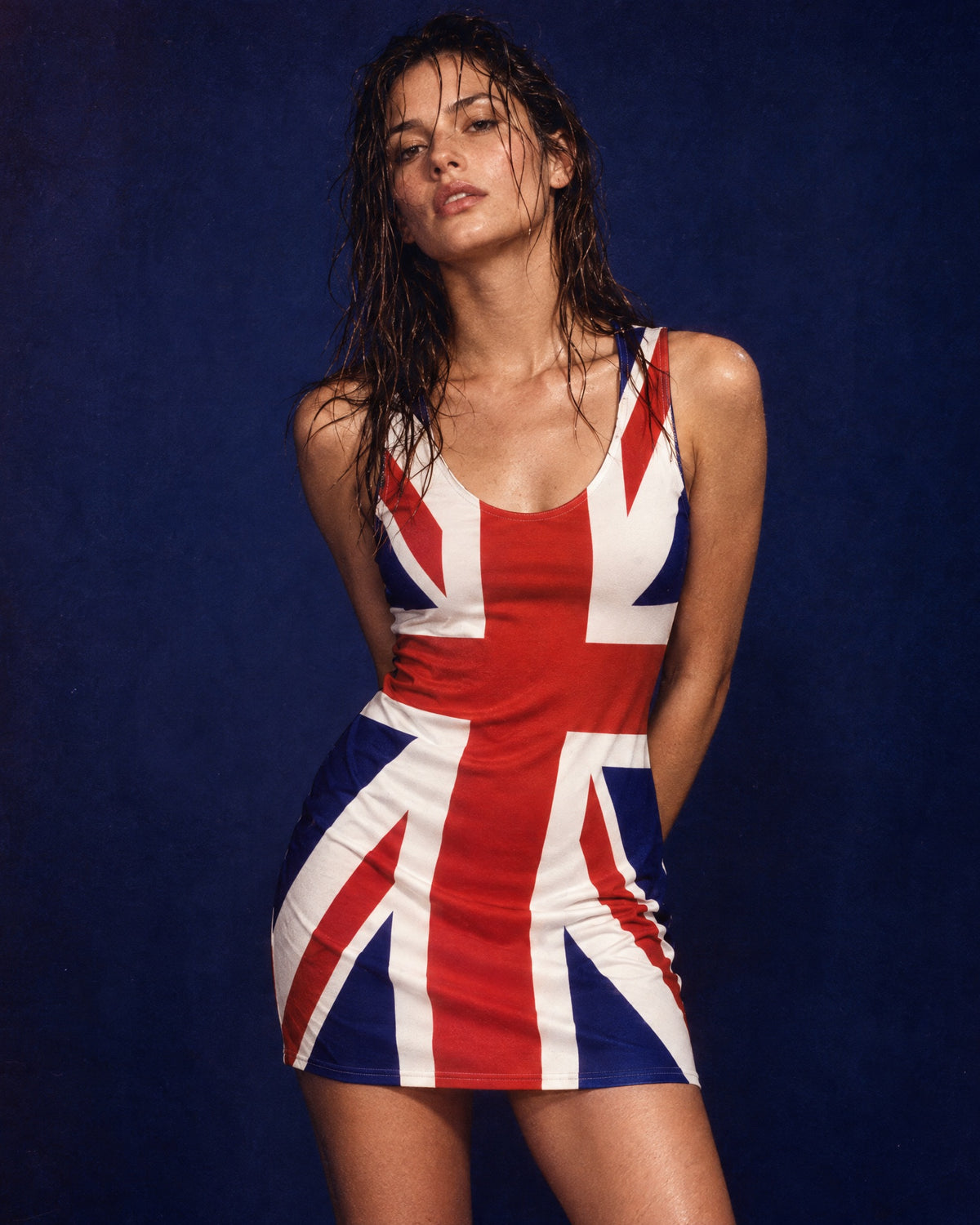
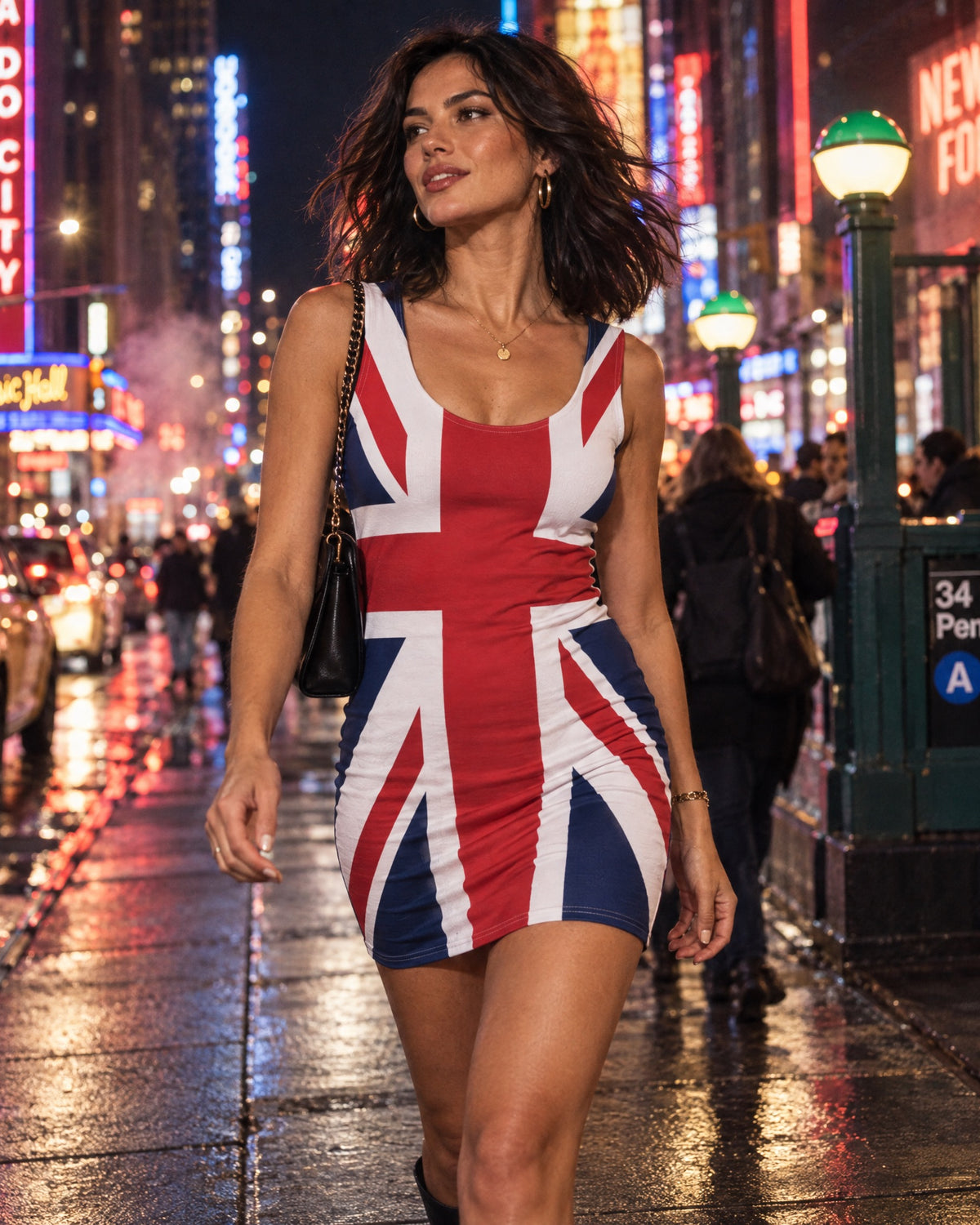
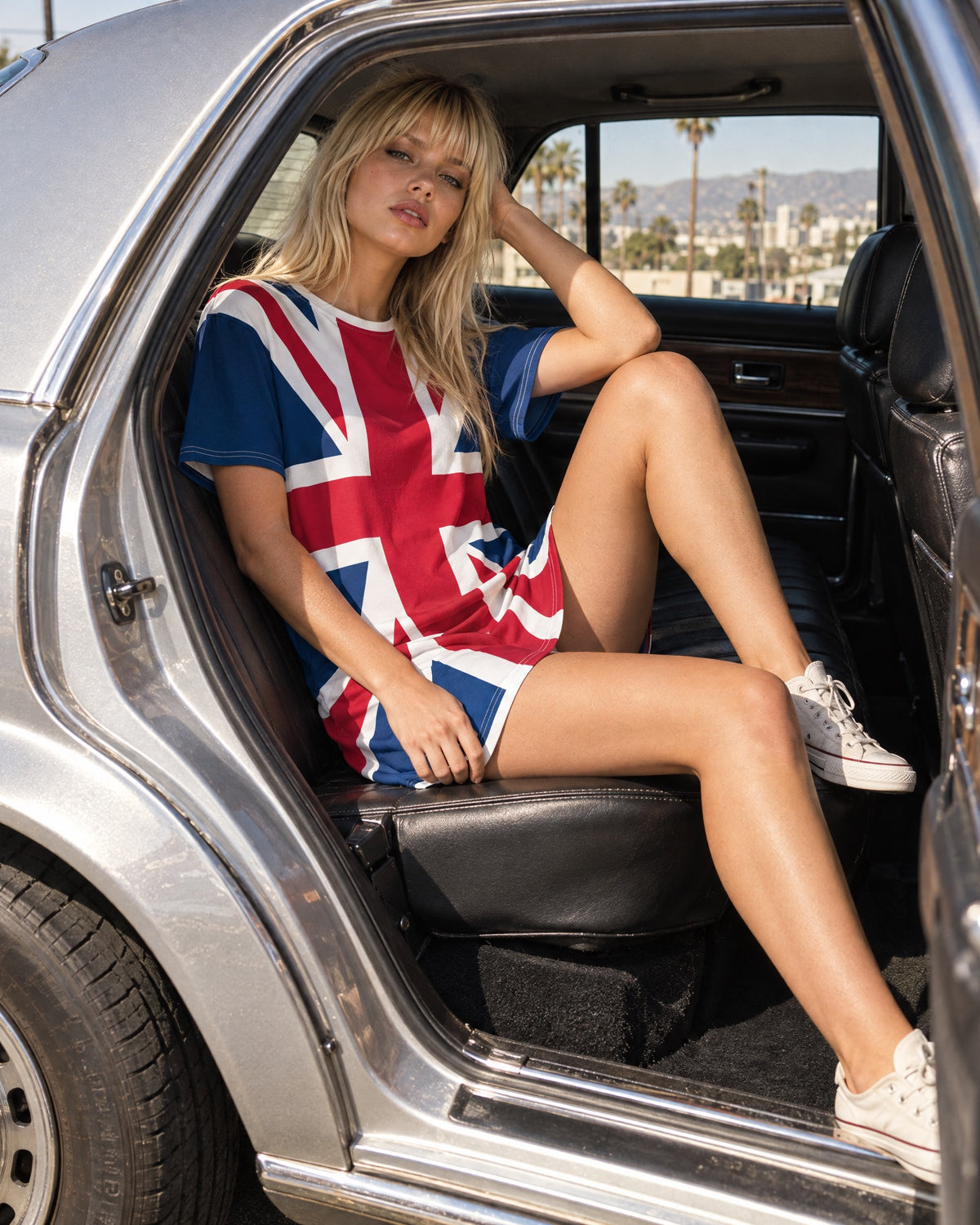
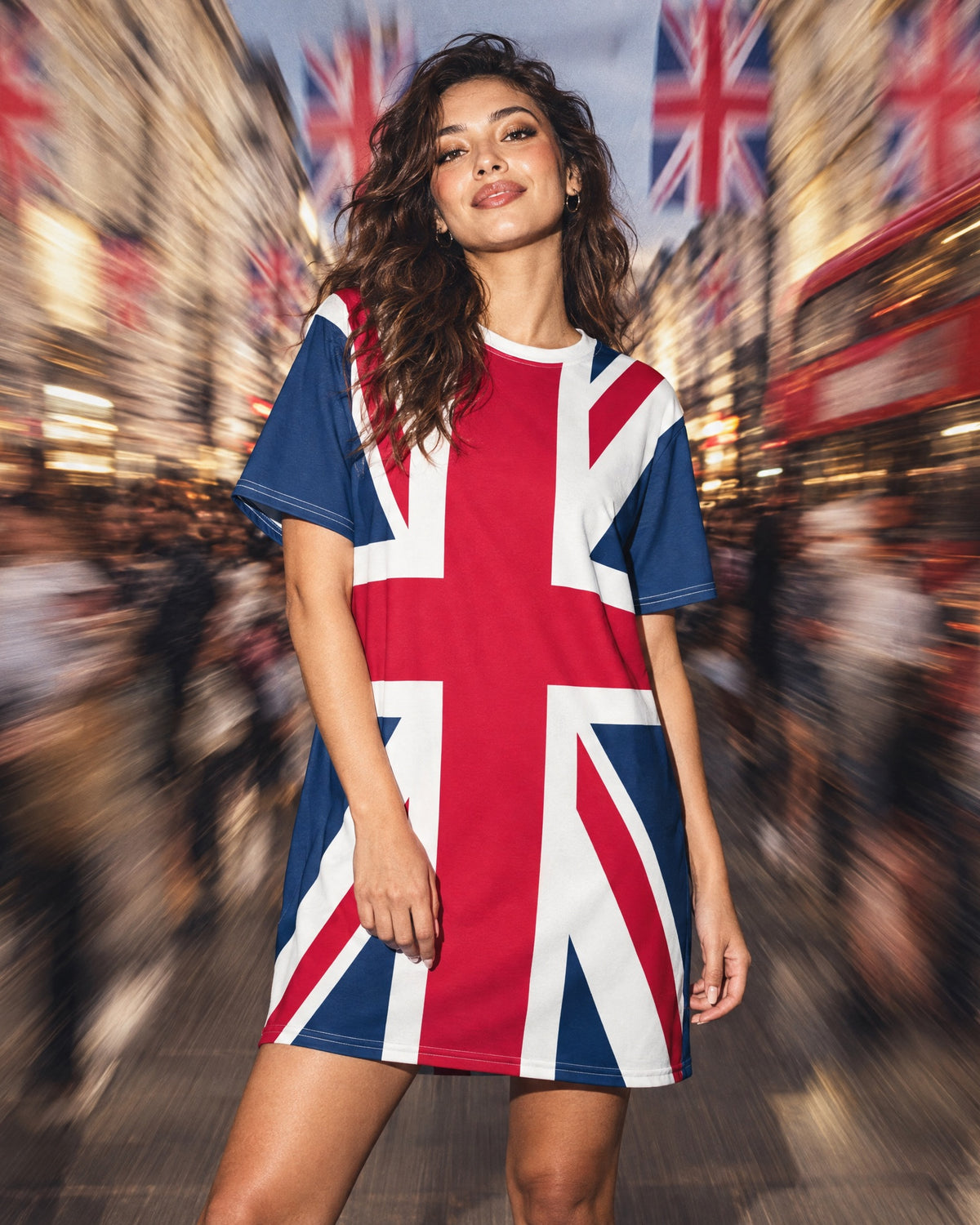
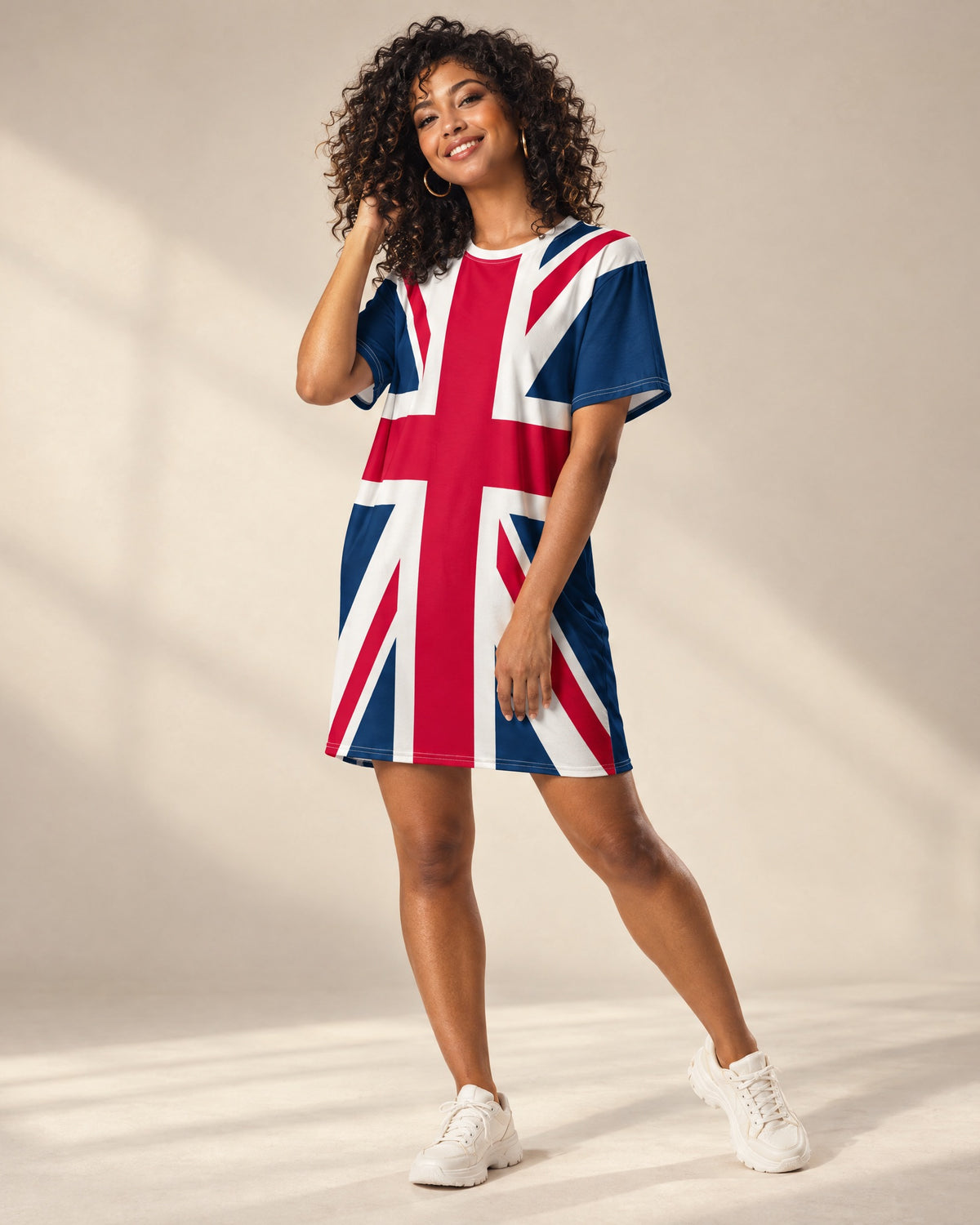
The vintage scene here is particularly strong. Brighton has long attracted artists, musicians, and anyone else who'd rather be interesting than conventional — and the shops reflect that. A 1960s Mod parka. A 1970s football scarf. A Union Jack tote that somehow looks both retro and completely current.
Brighton Today: Still Doing It Differently
The Mods are long gone from the seafront (mostly), but Brighton's relationship with style hasn't dimmed. It remains one of Britain's most creatively alive cities — a place where subcultures are born, where fashion risks are taken, and where the dress code, whether on the beach or in a bar, is essentially: wear what you actually want to wear.
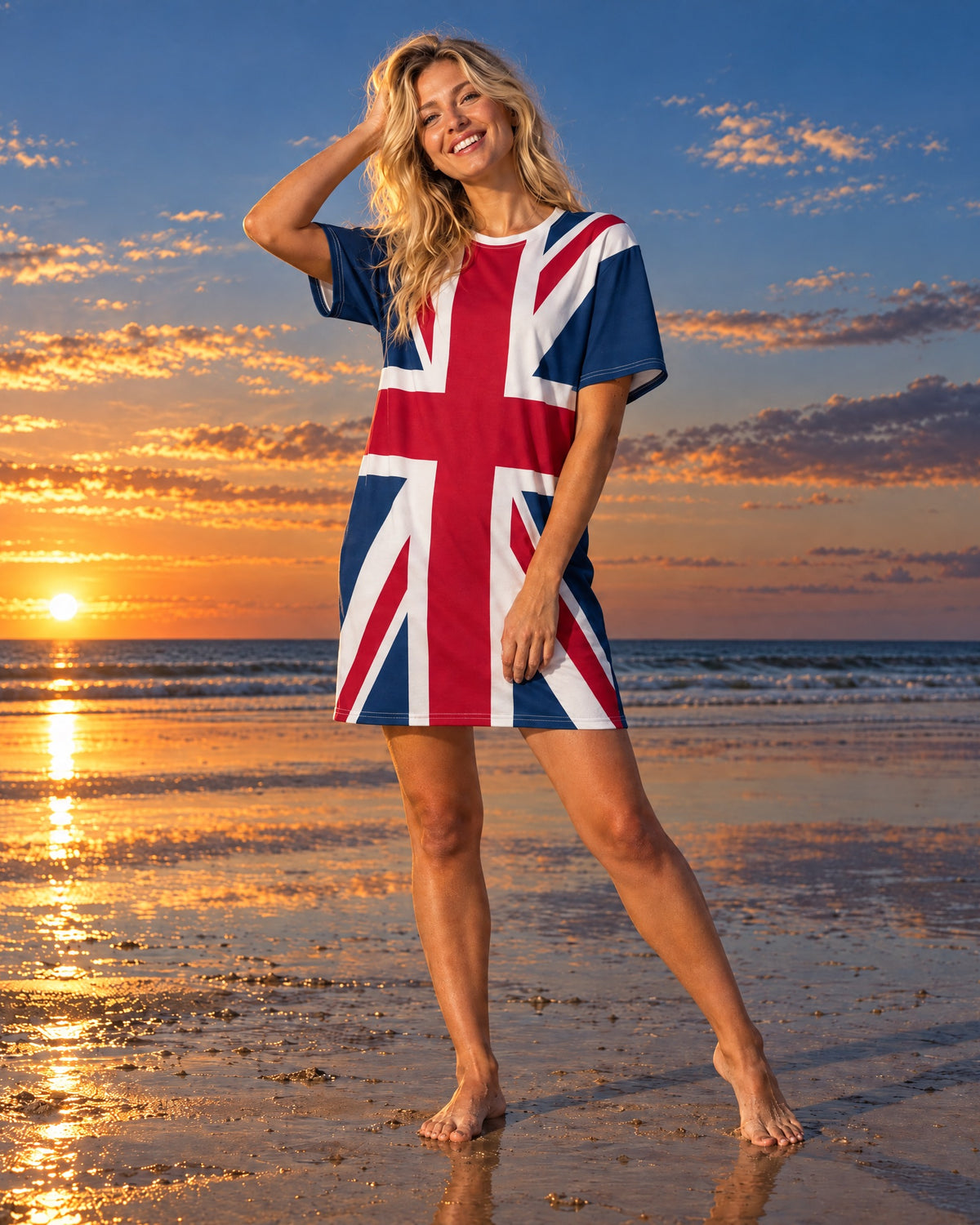
There's something very Brighton about that. And something very British, too — the idea that real style isn't about following trends, it's about knowing who you are and dressing accordingly. Whether that's a sharpened Mod suit or a bold bikini on the pebbles.
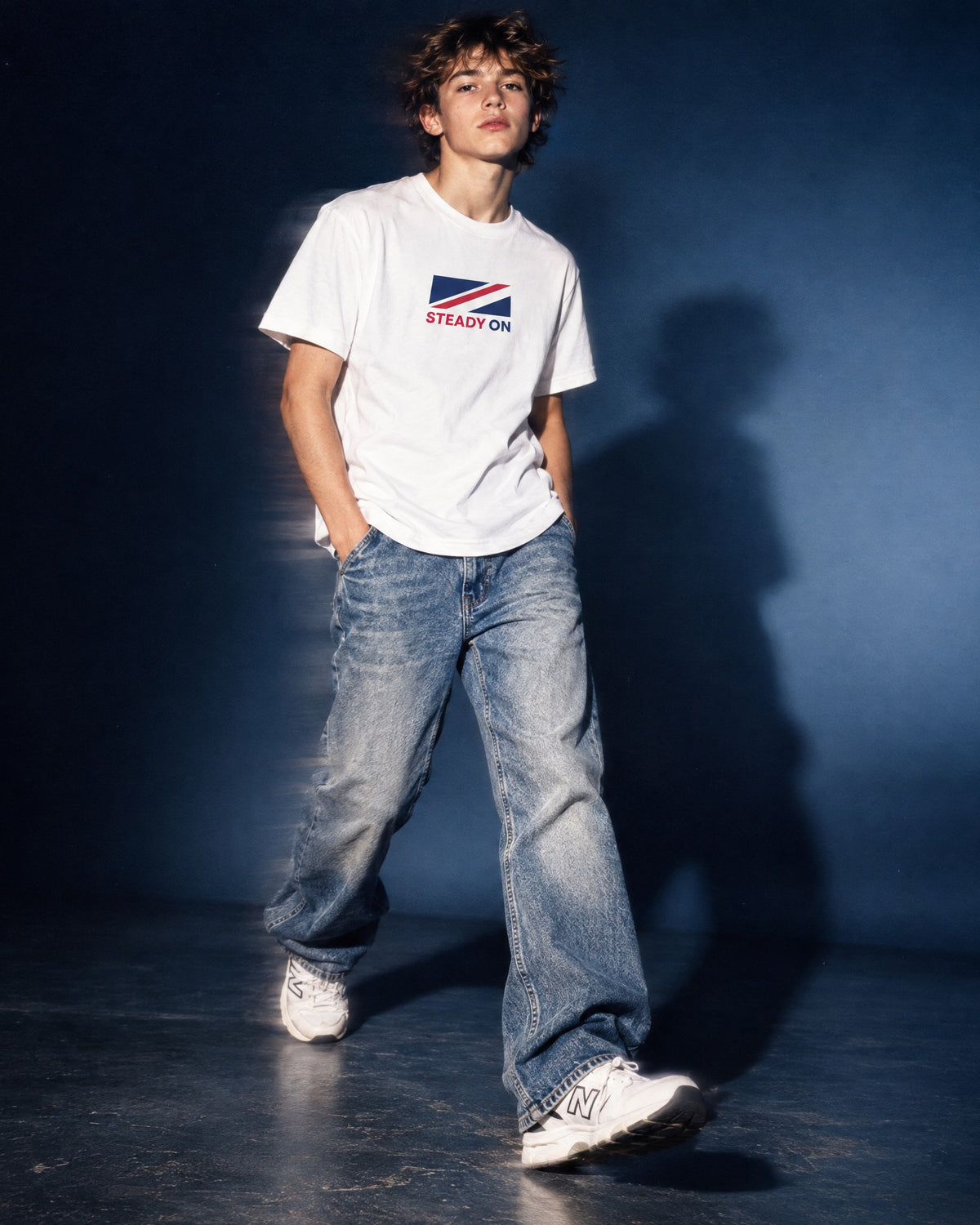
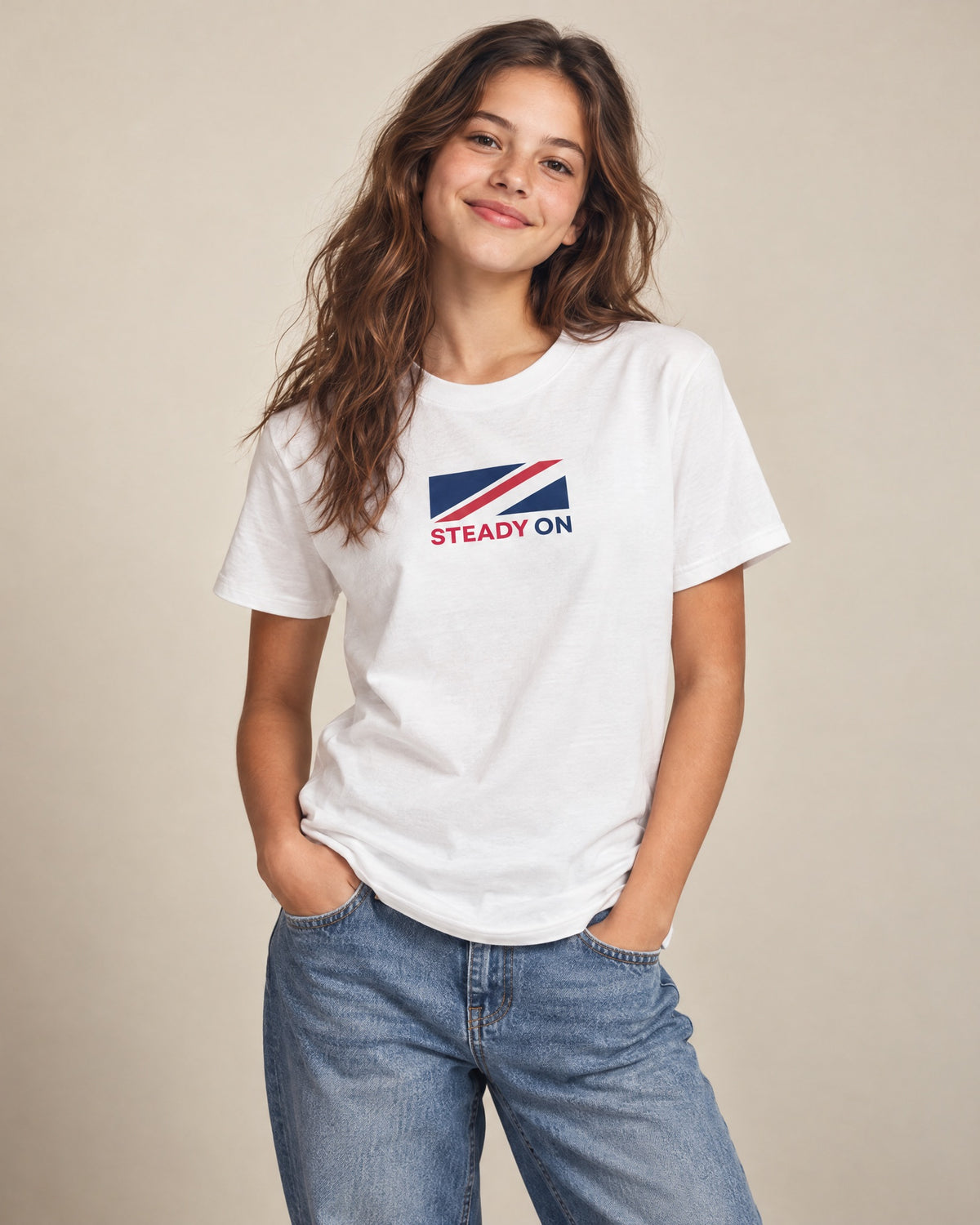
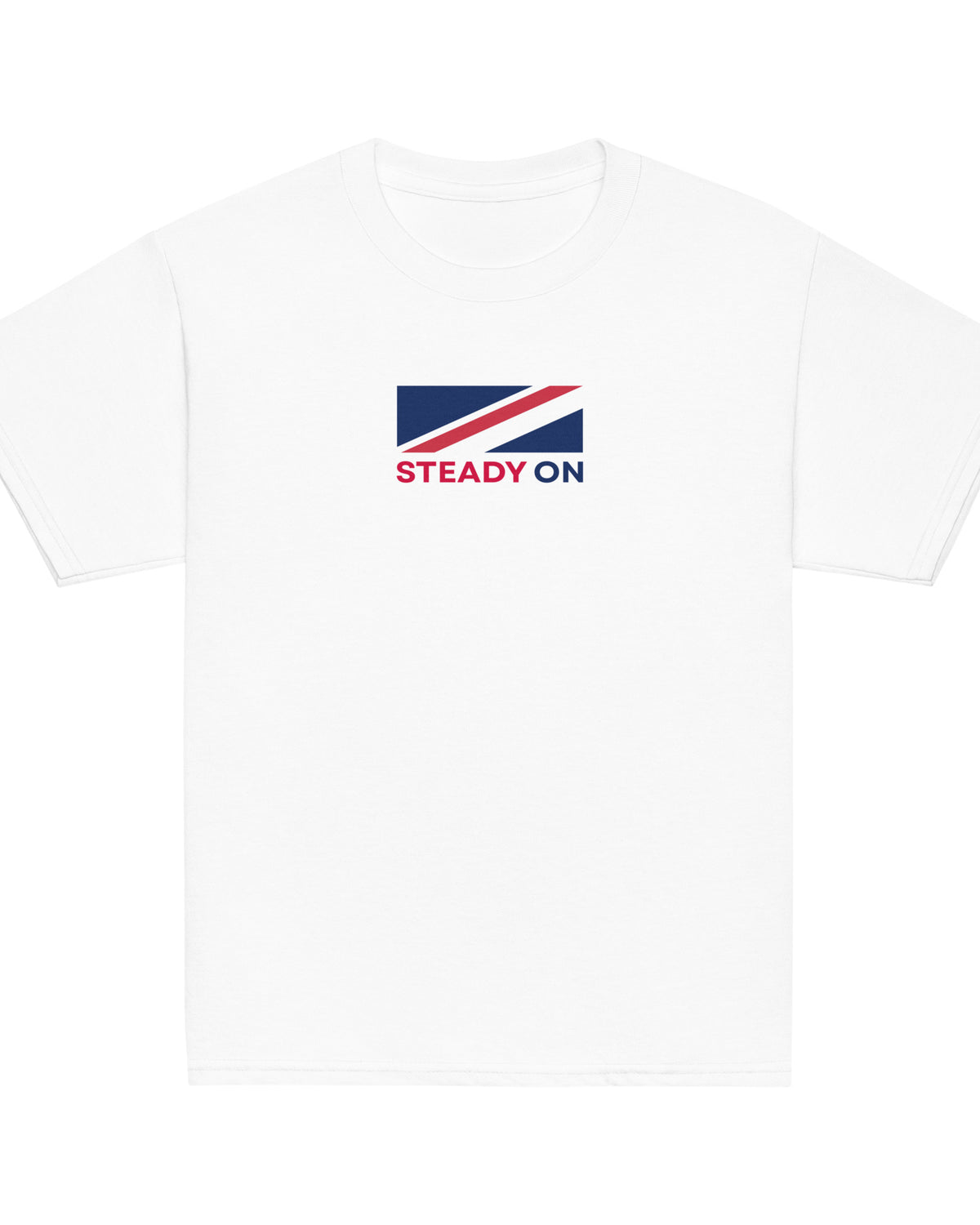
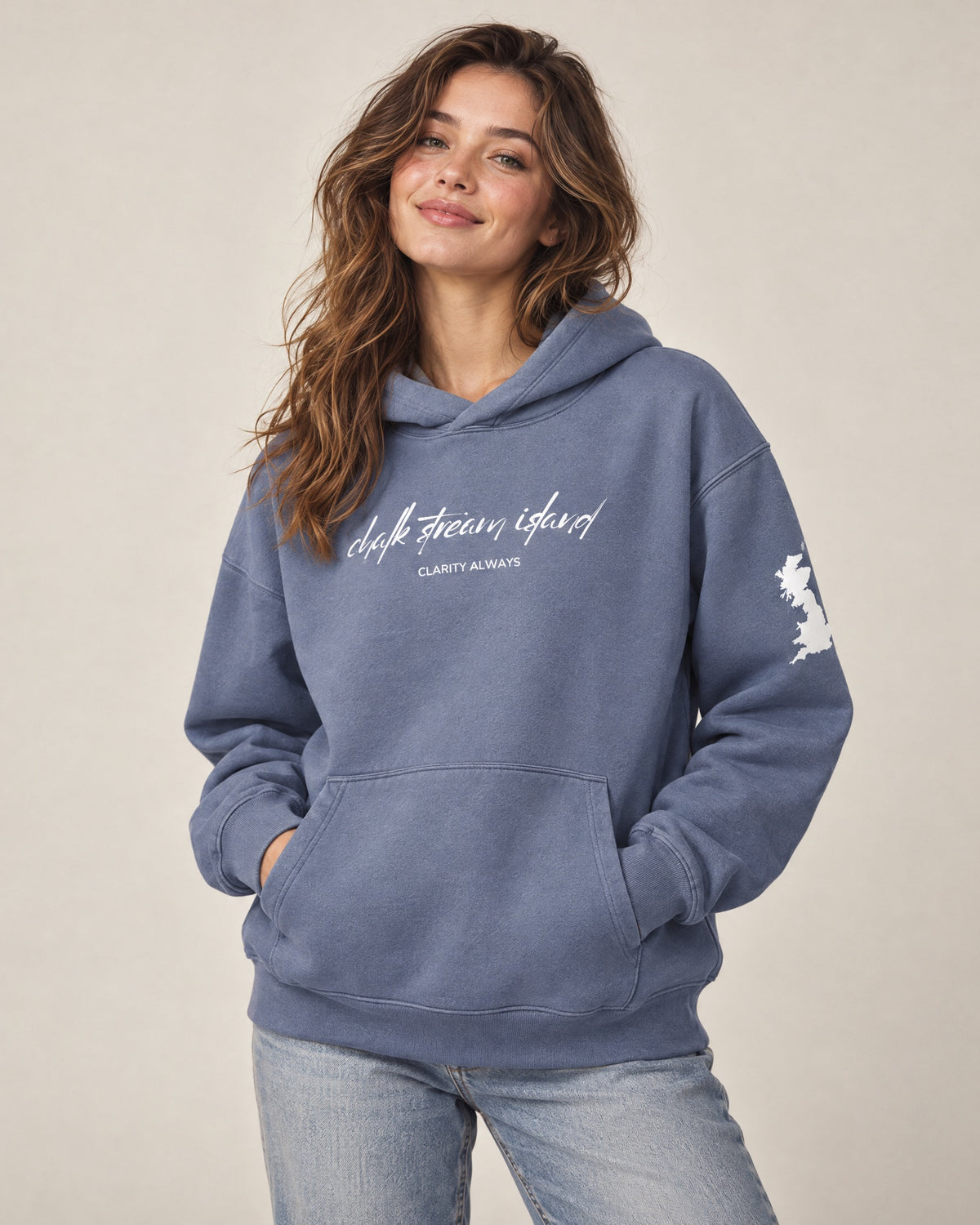
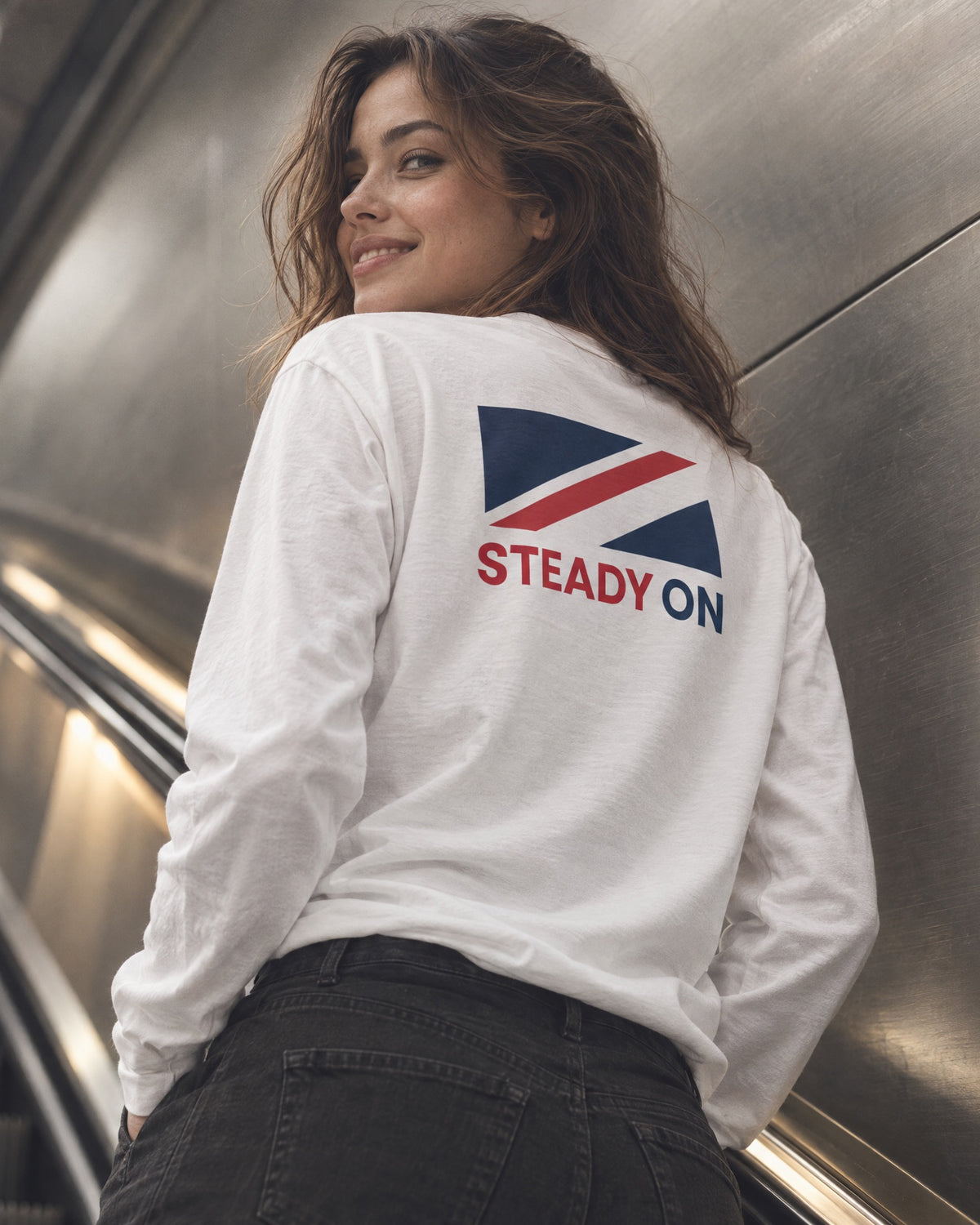
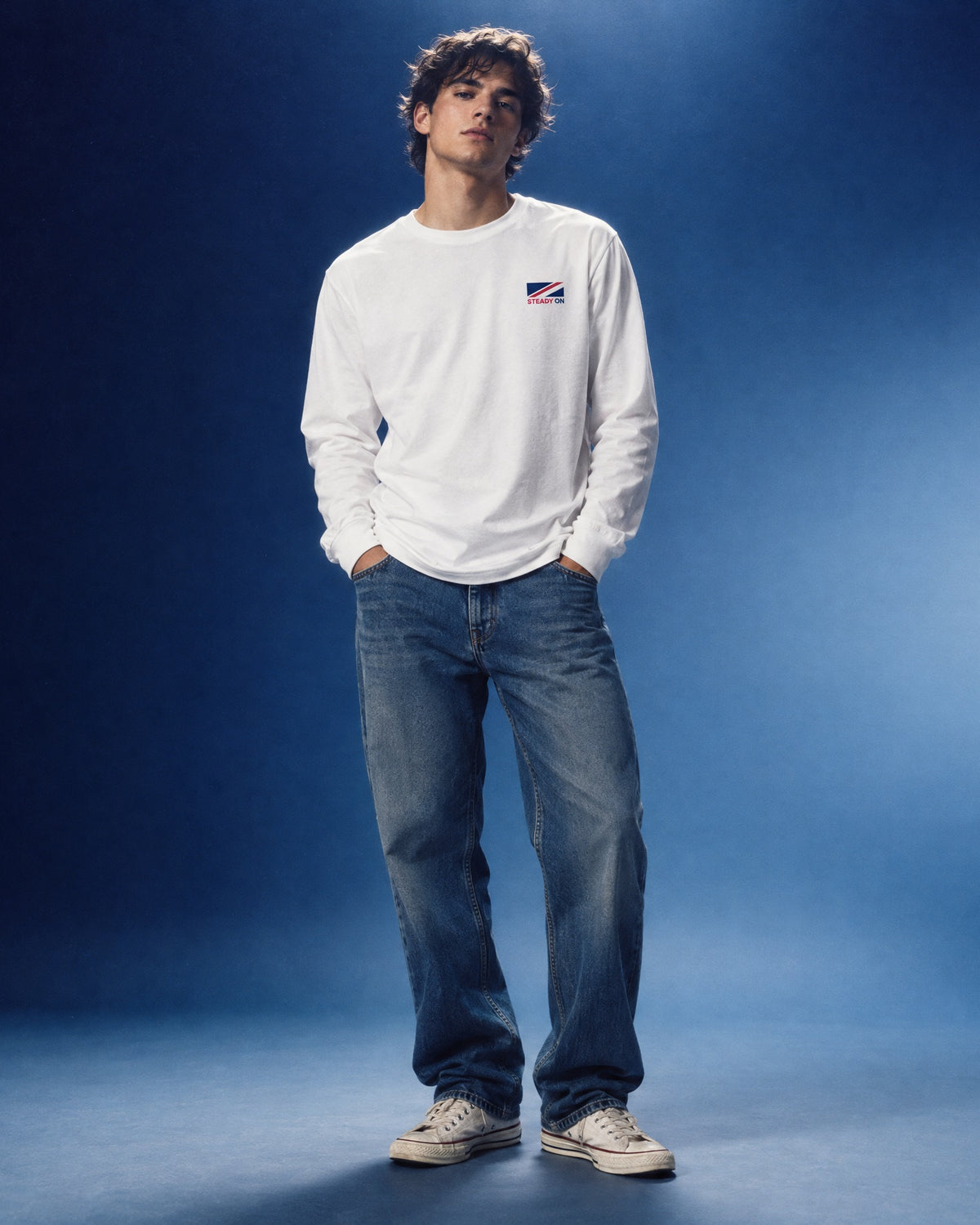
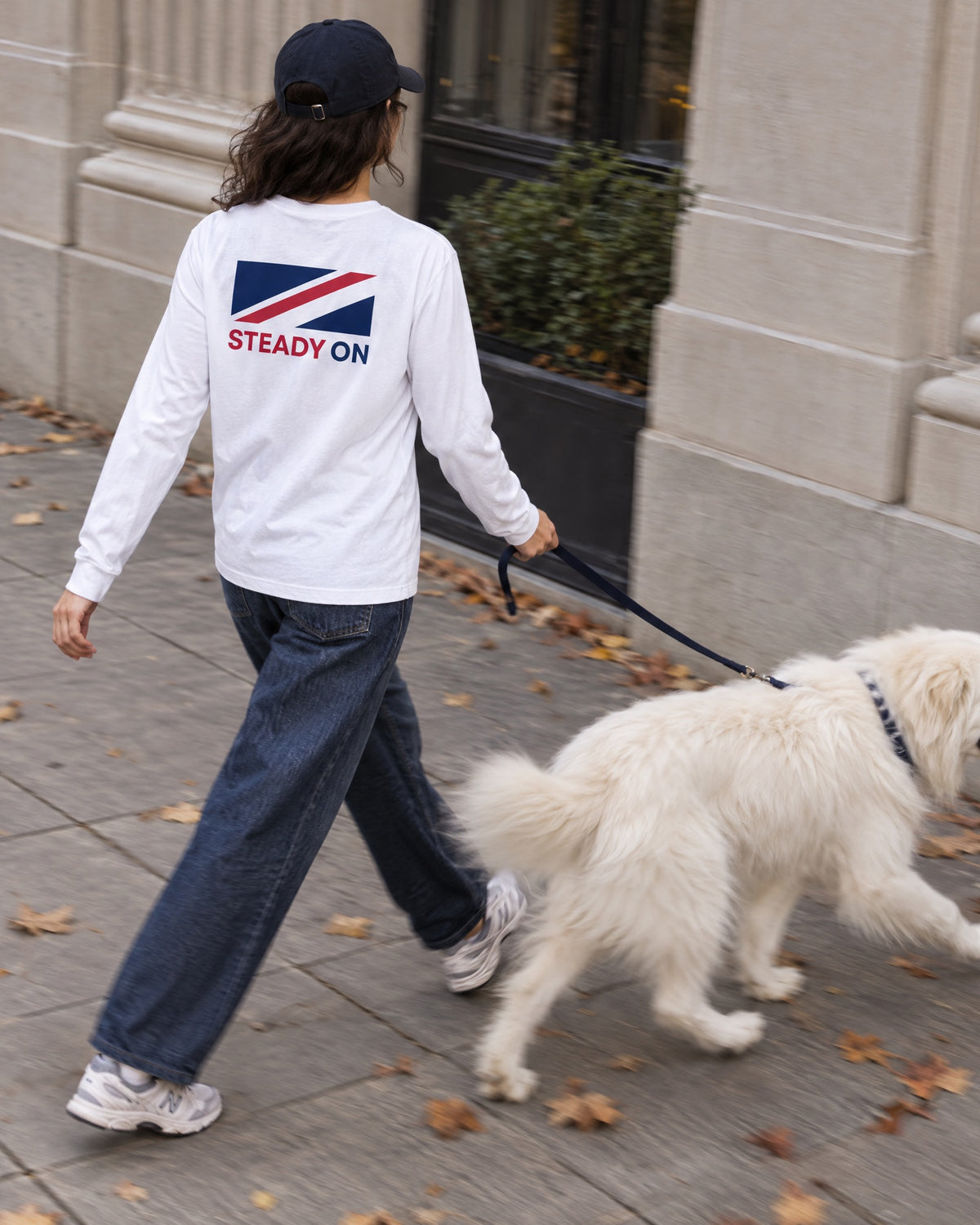
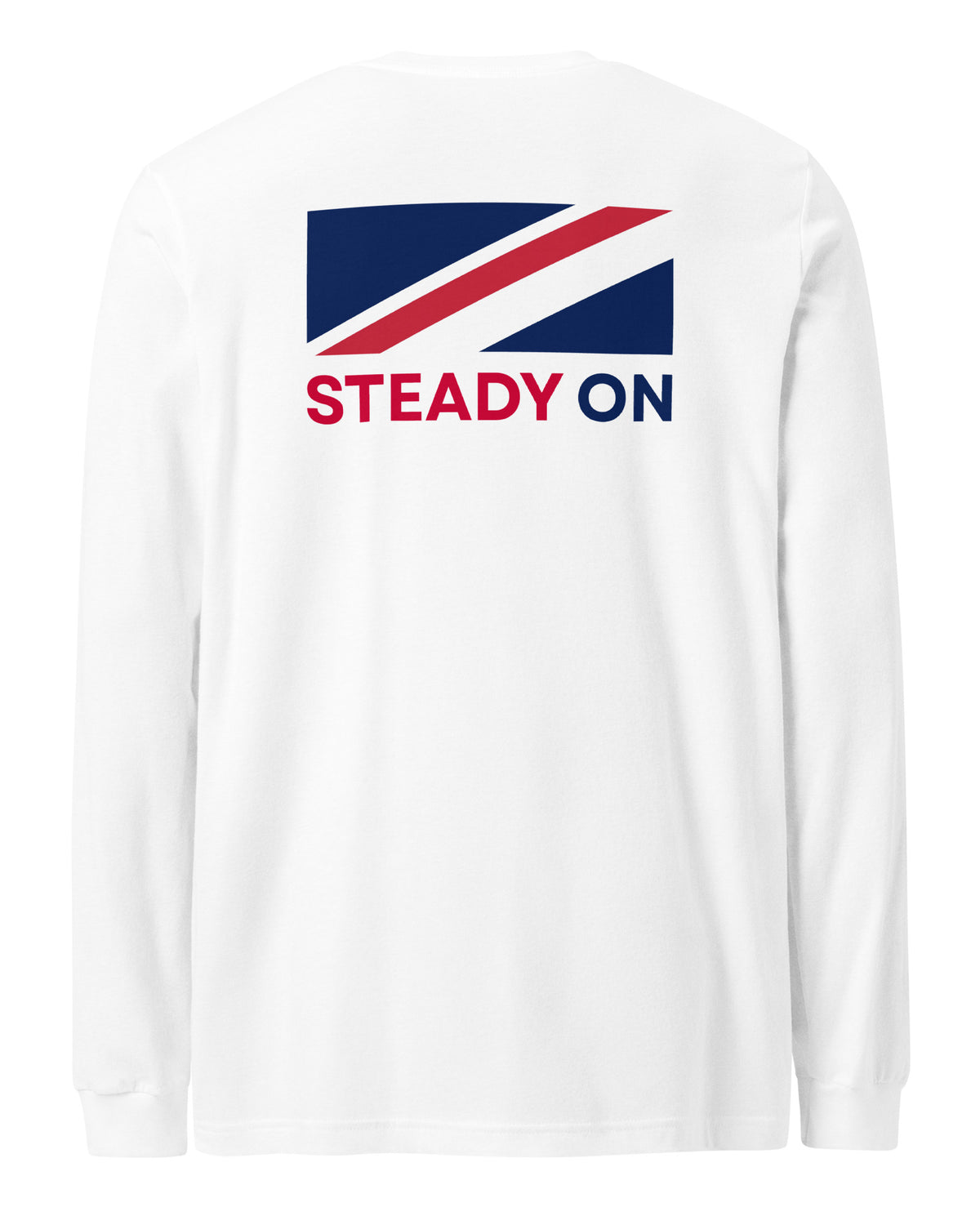
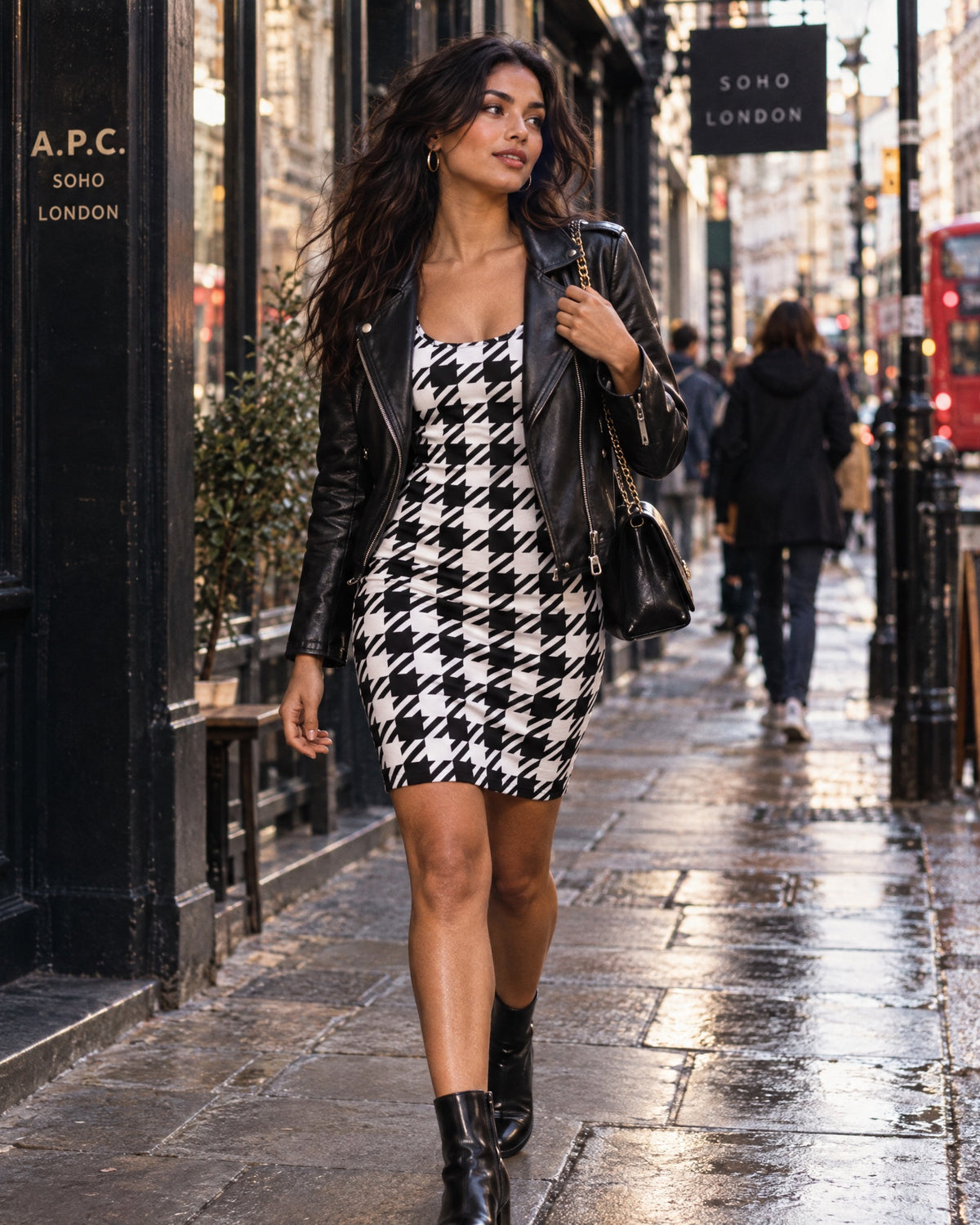
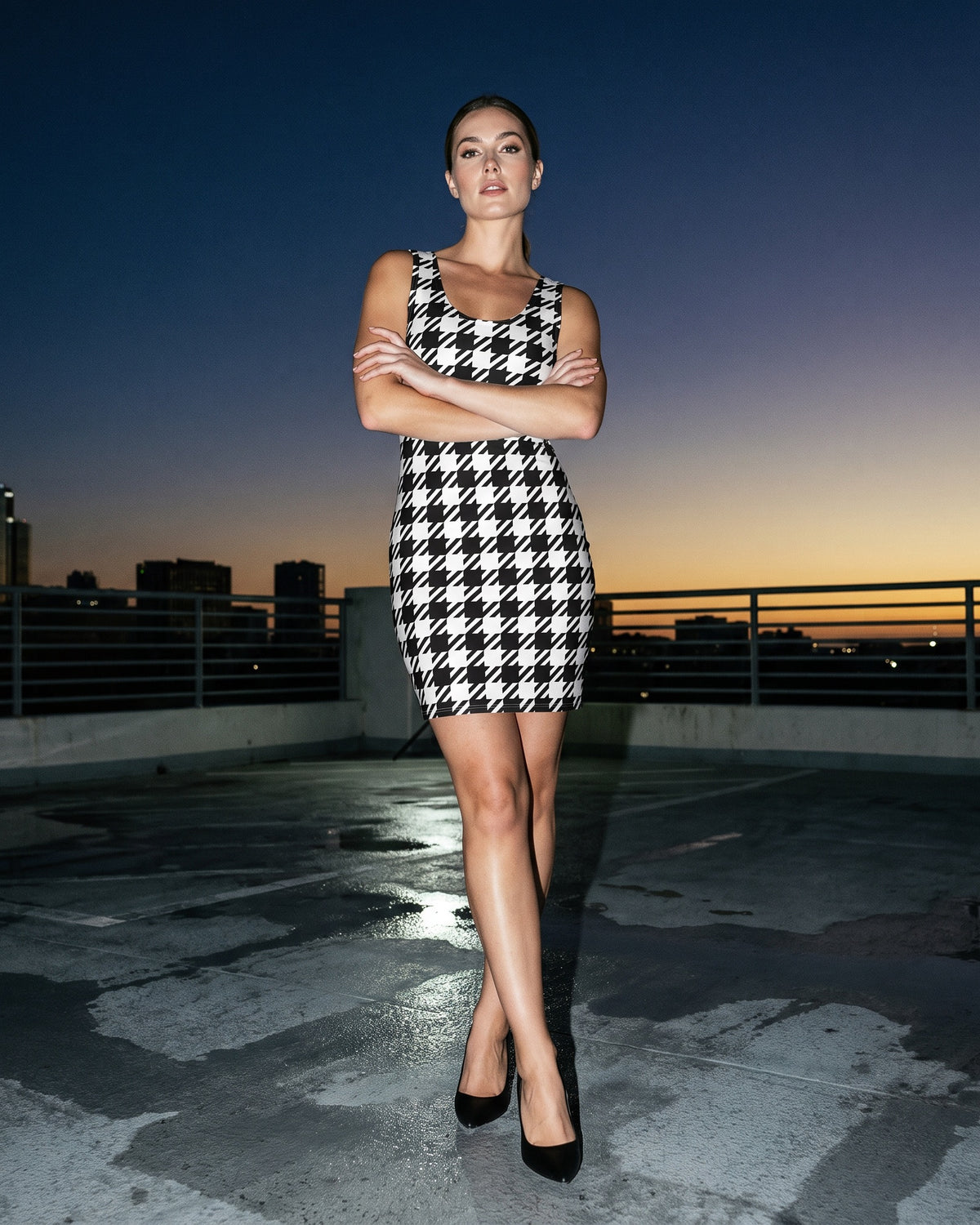
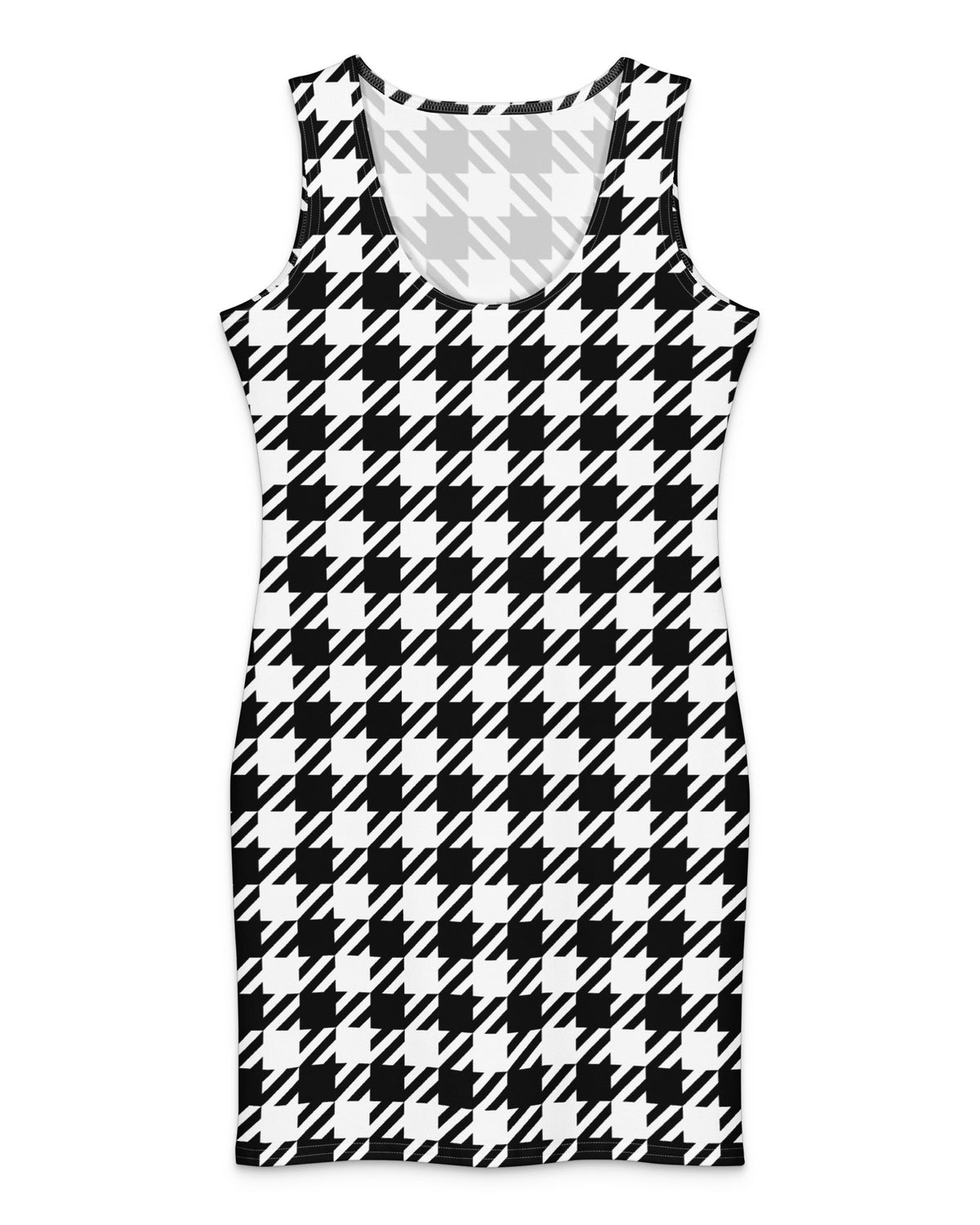
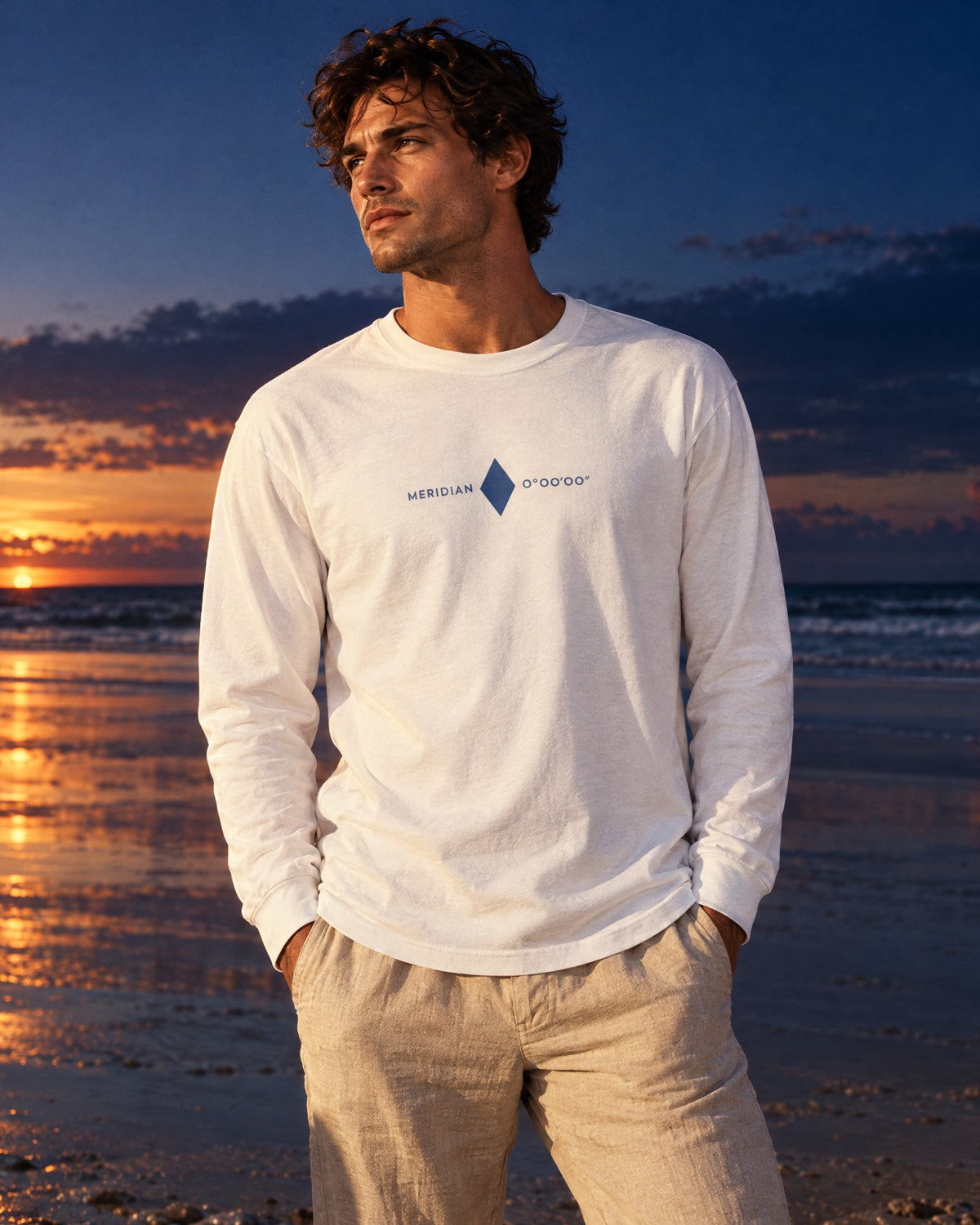
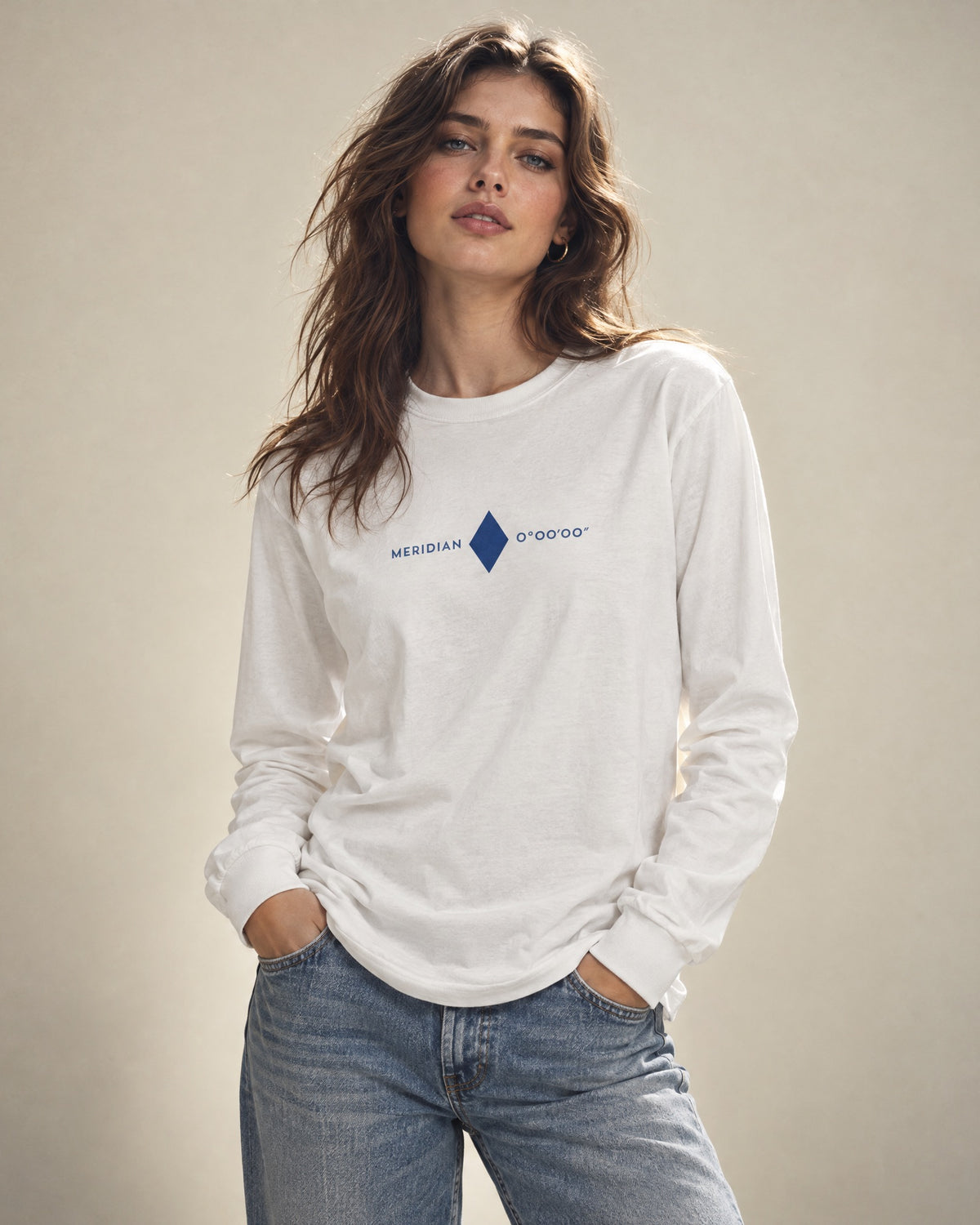
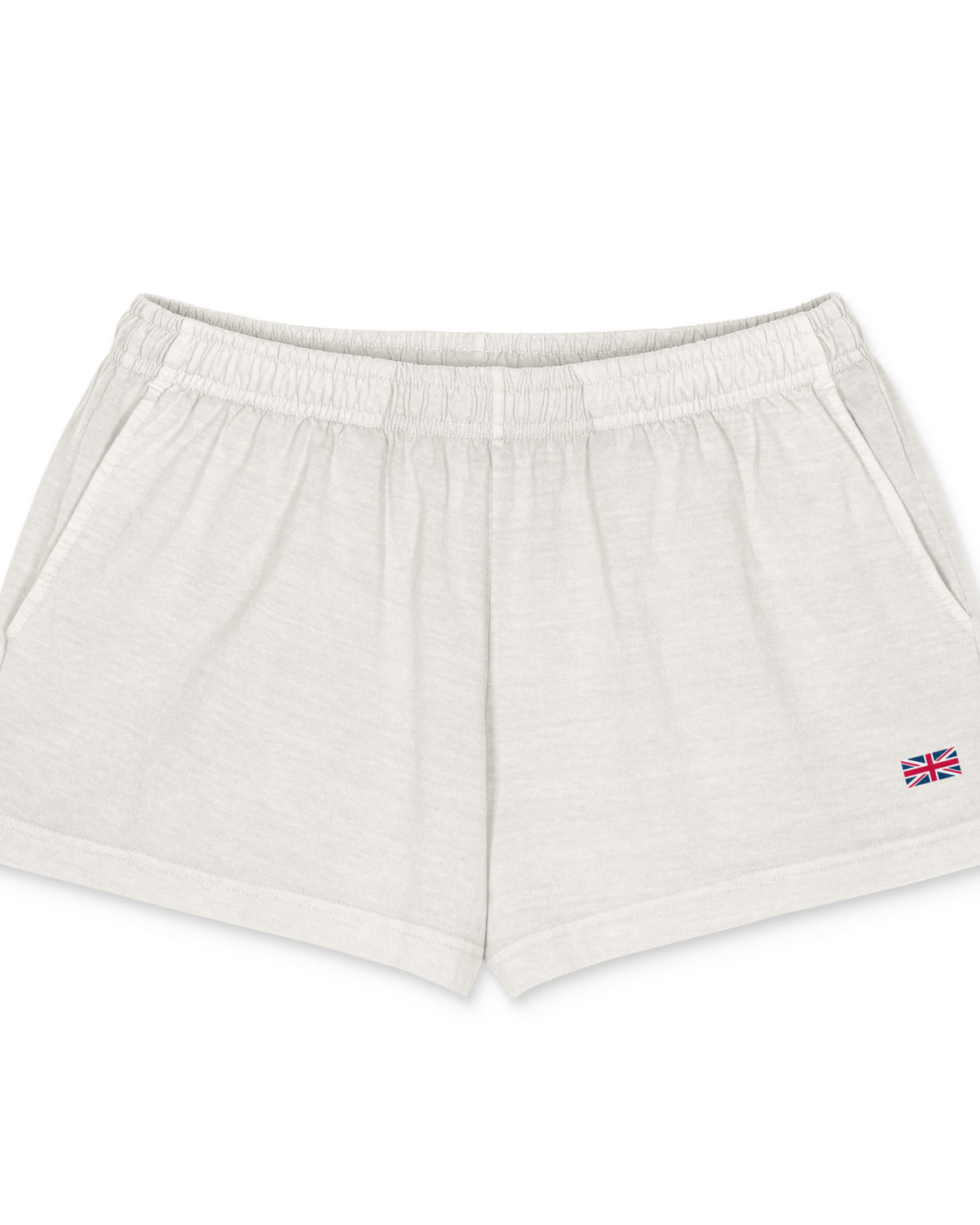
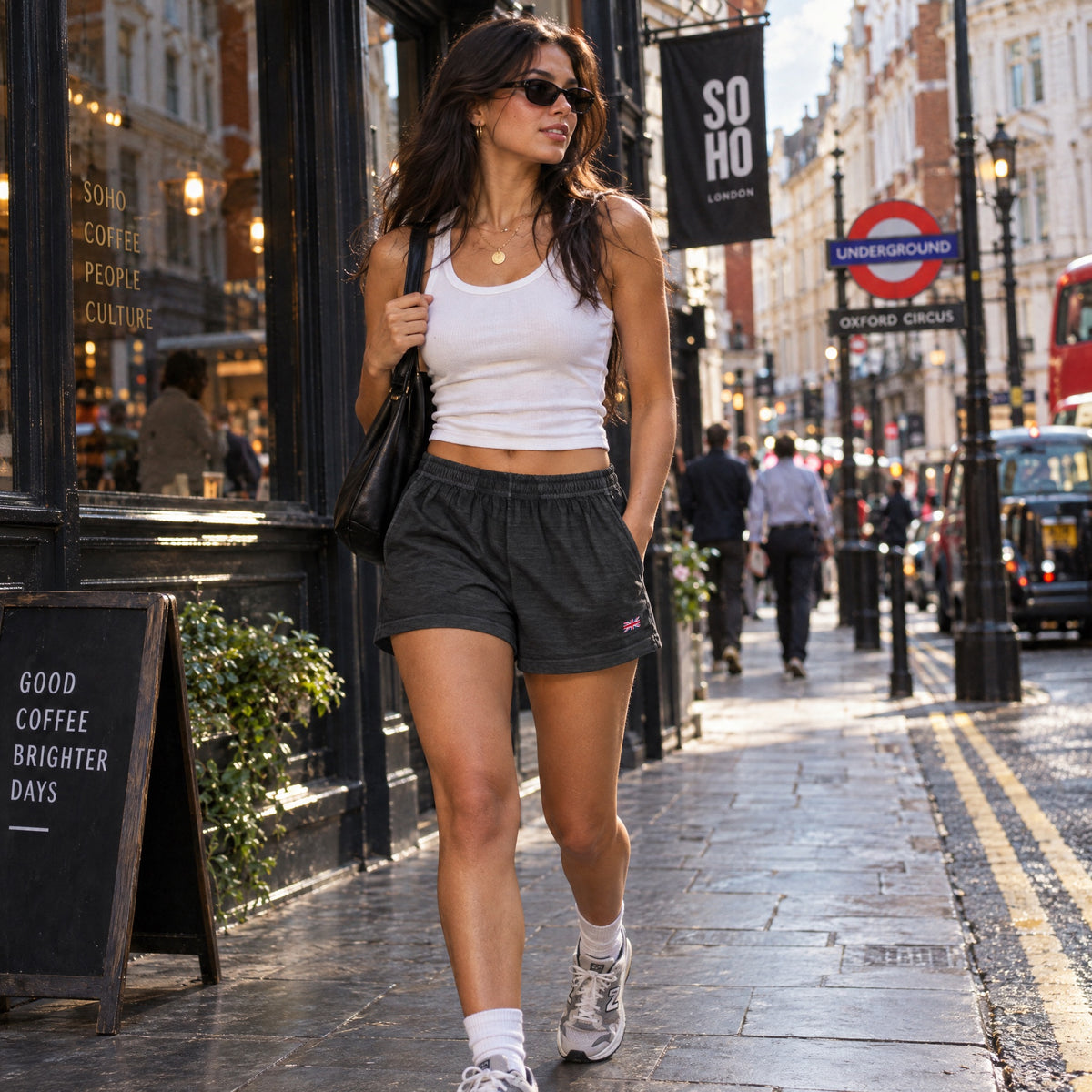
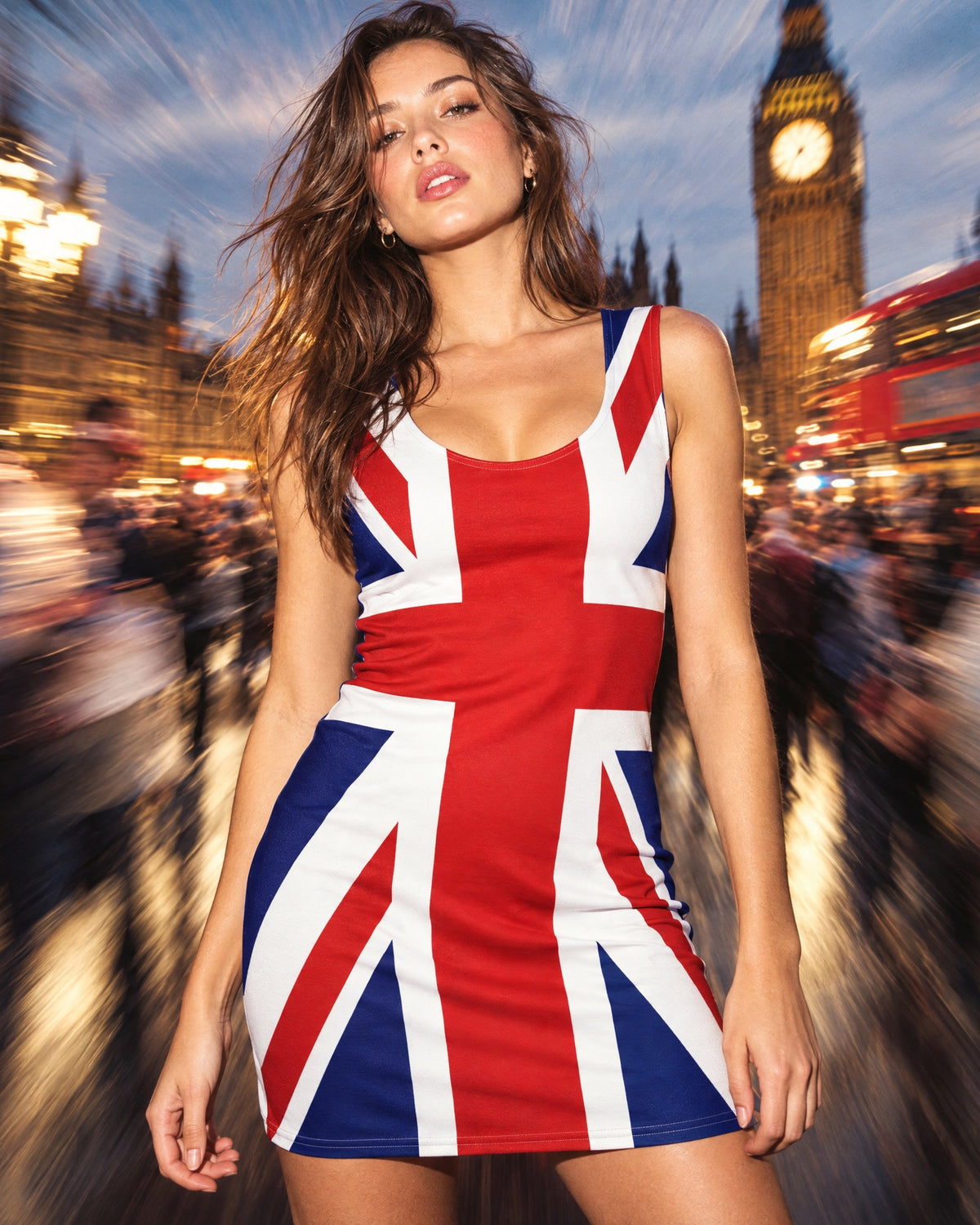
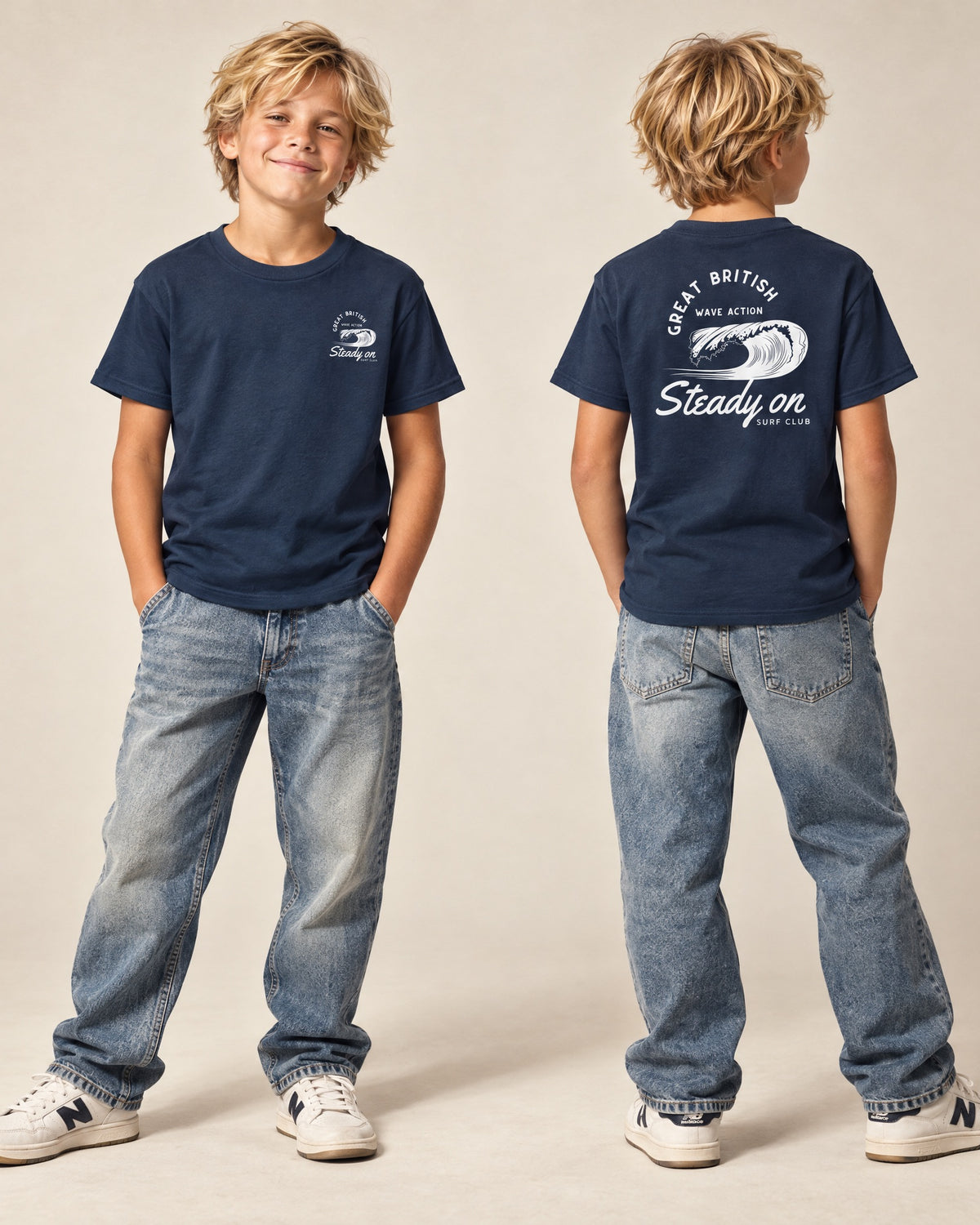
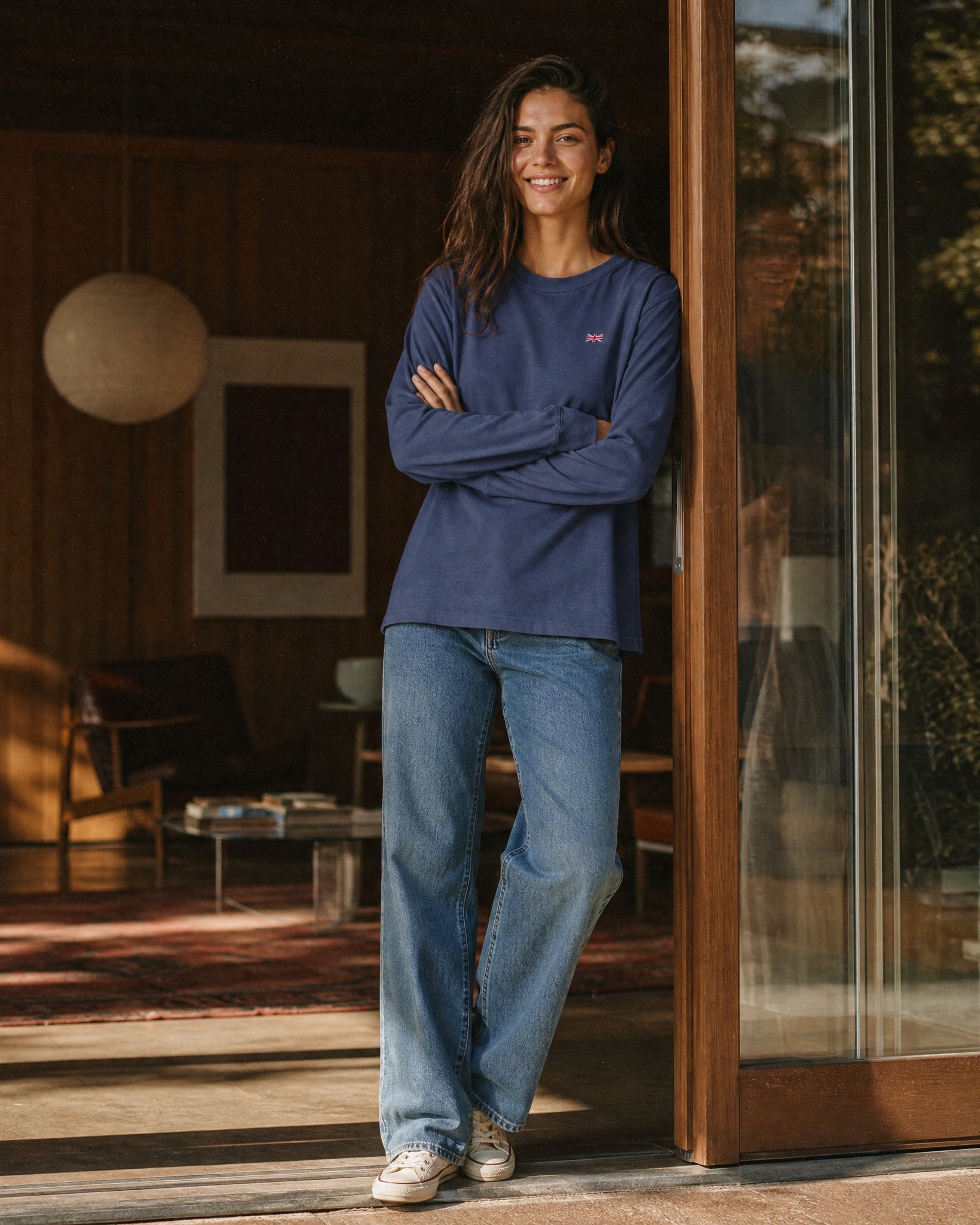
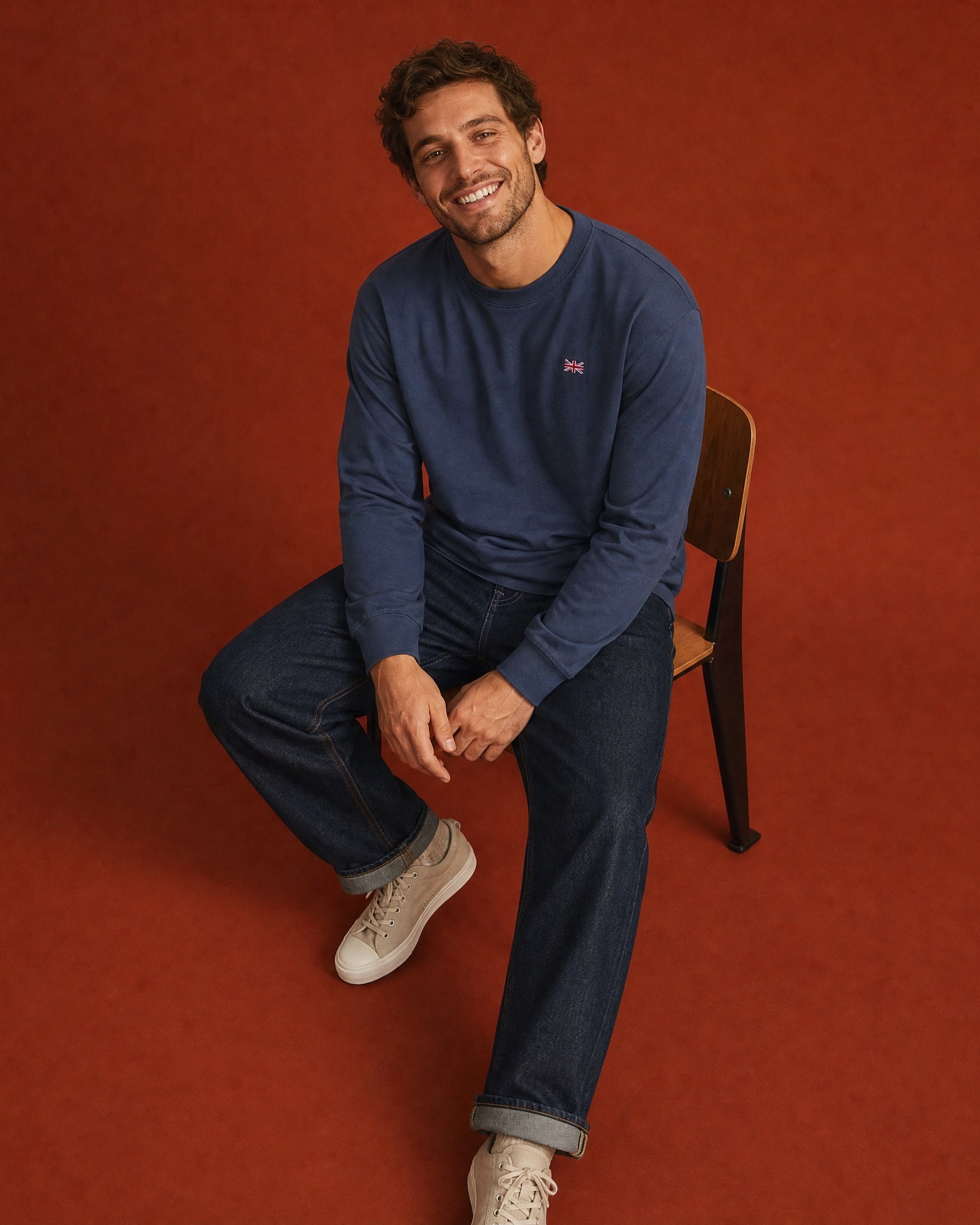
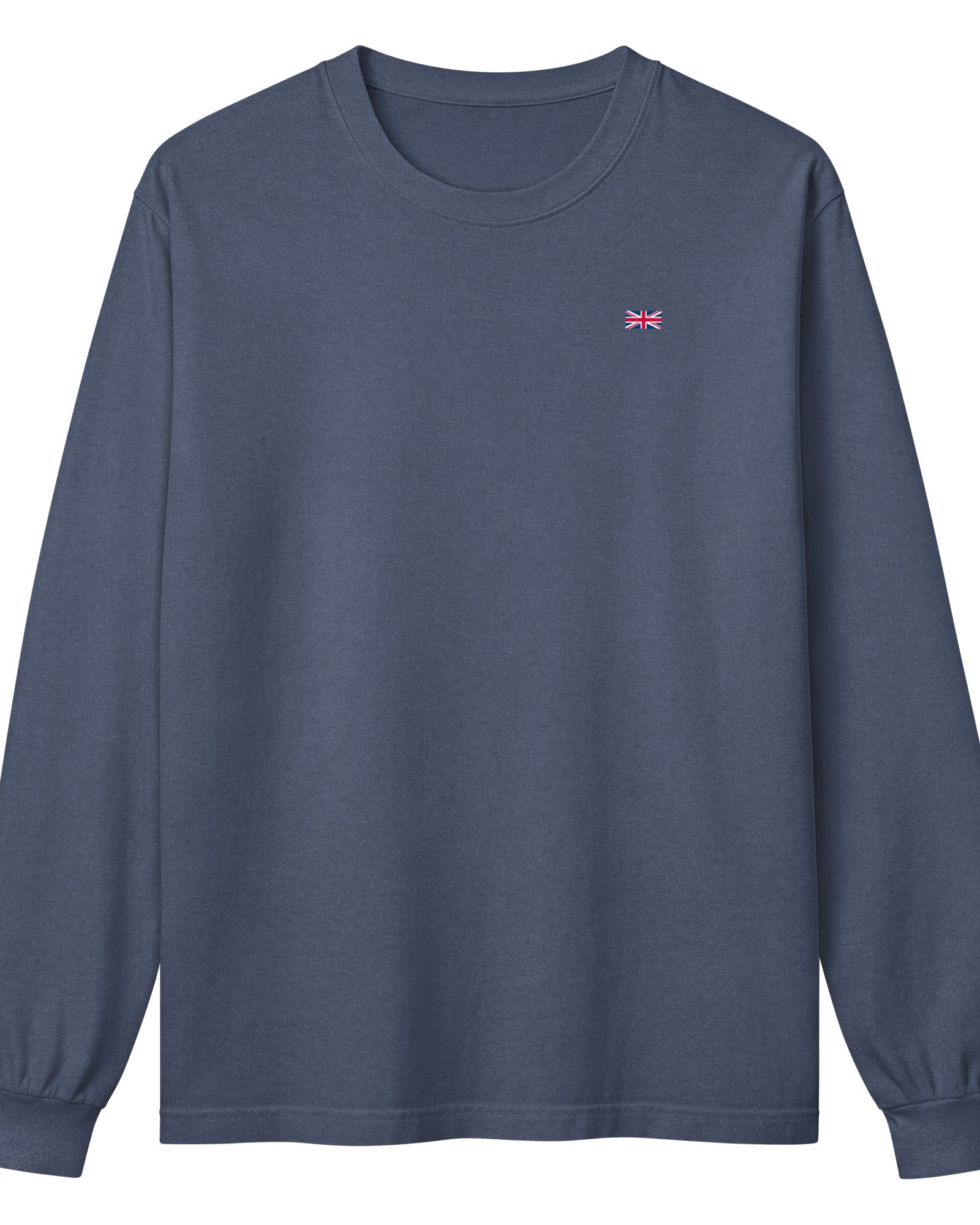
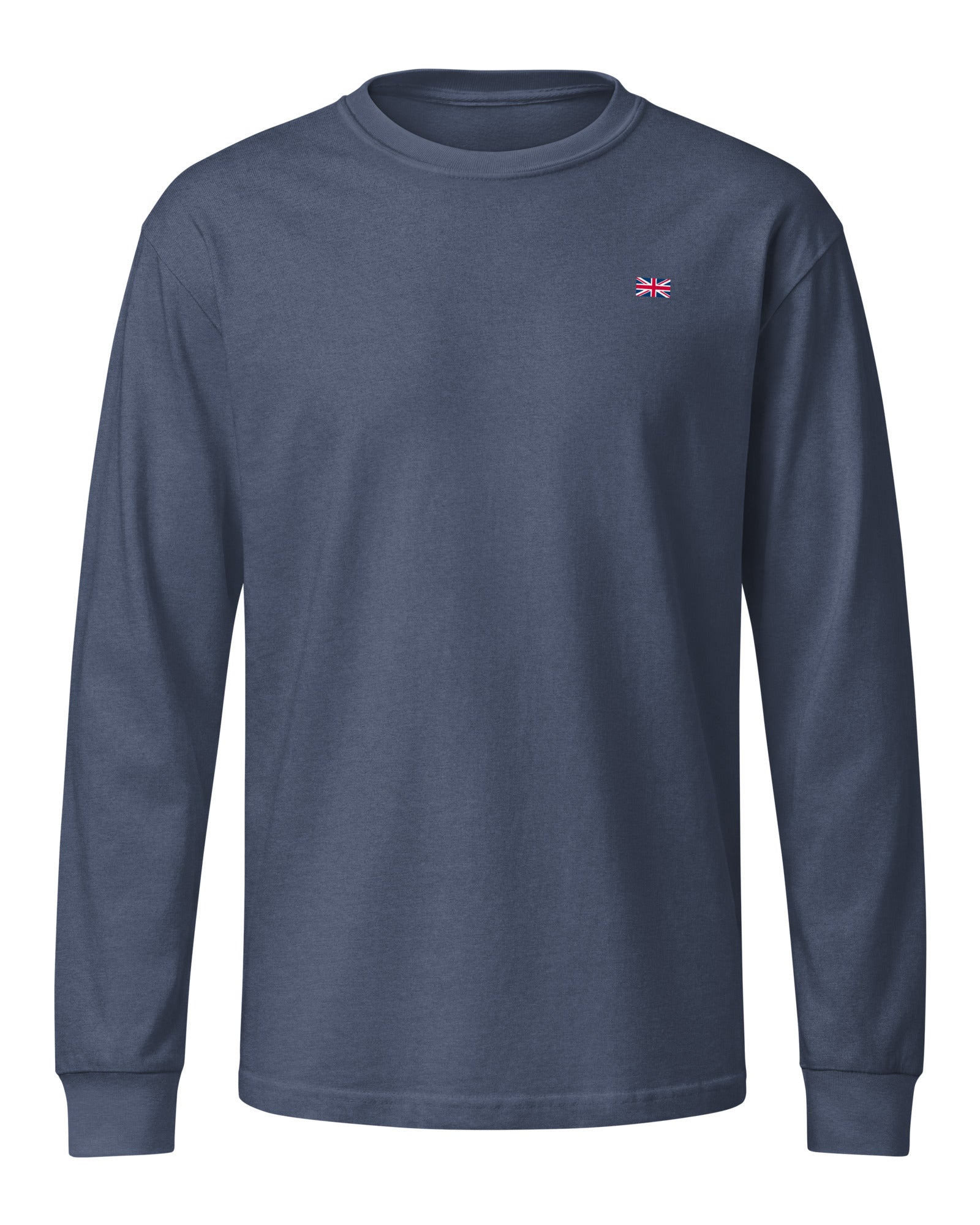
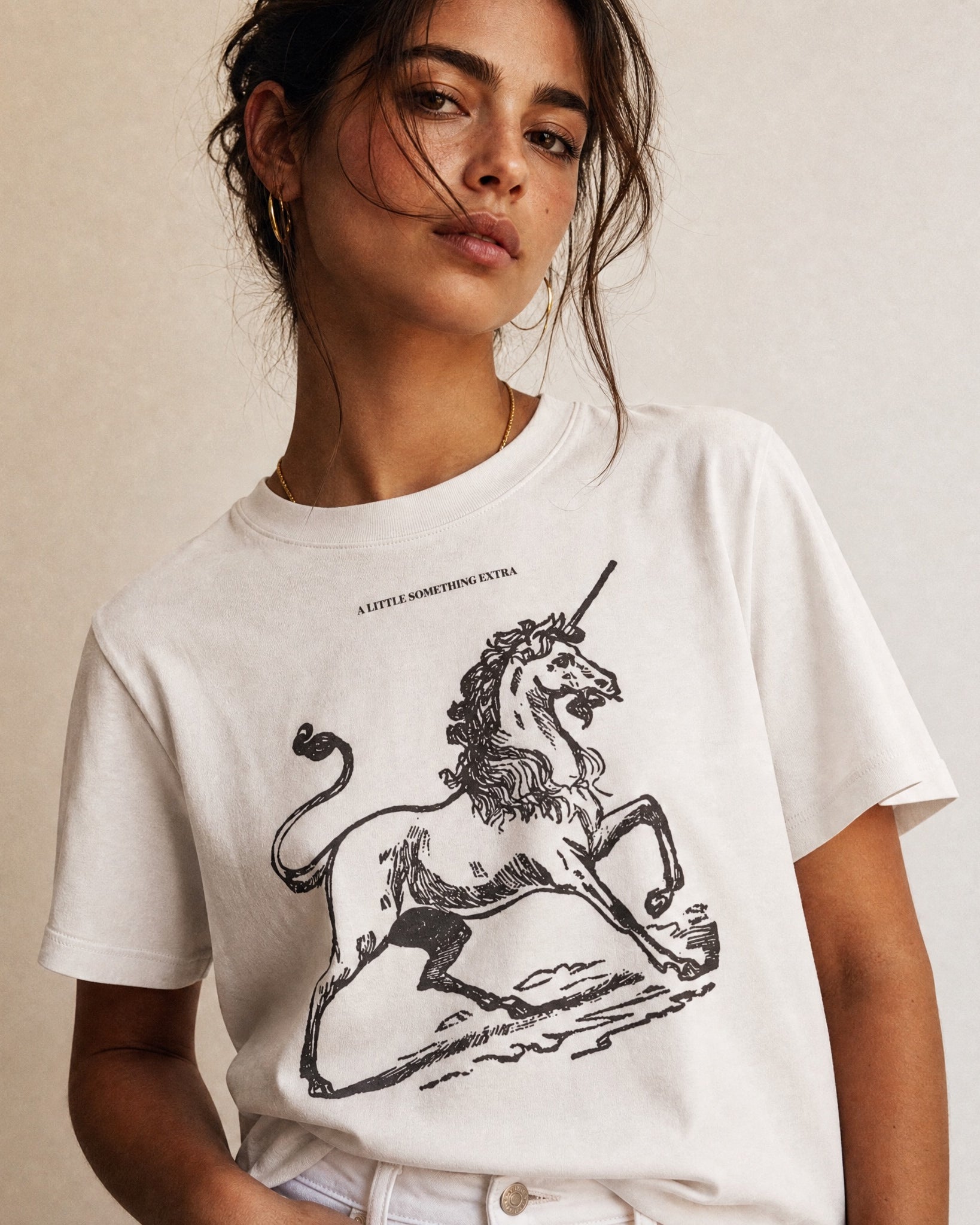
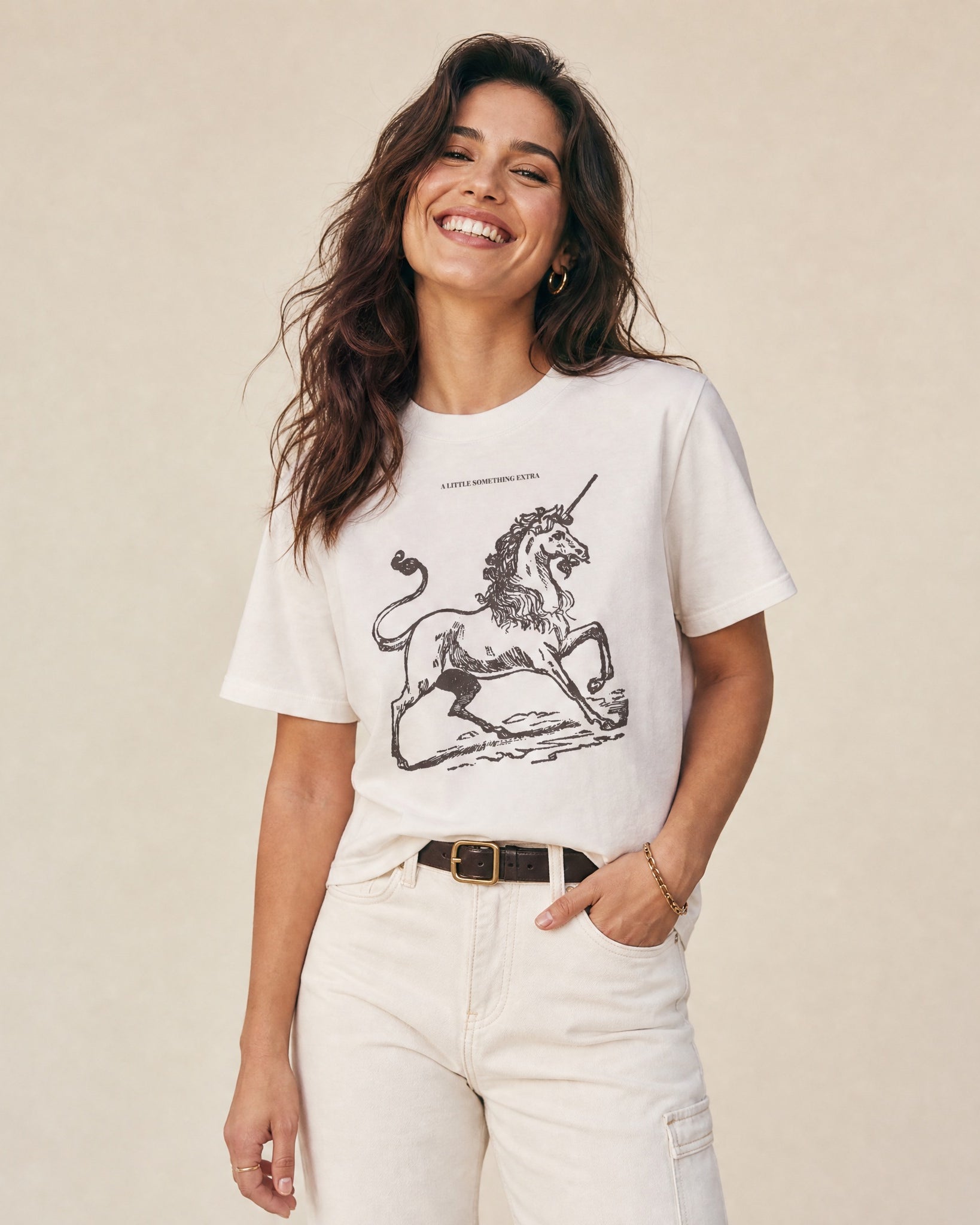
If you're planning a trip to the seafront — or just want to dress like you are — take a look at our Brighton & Hove collection.
Cheers,
Jolly & Goode