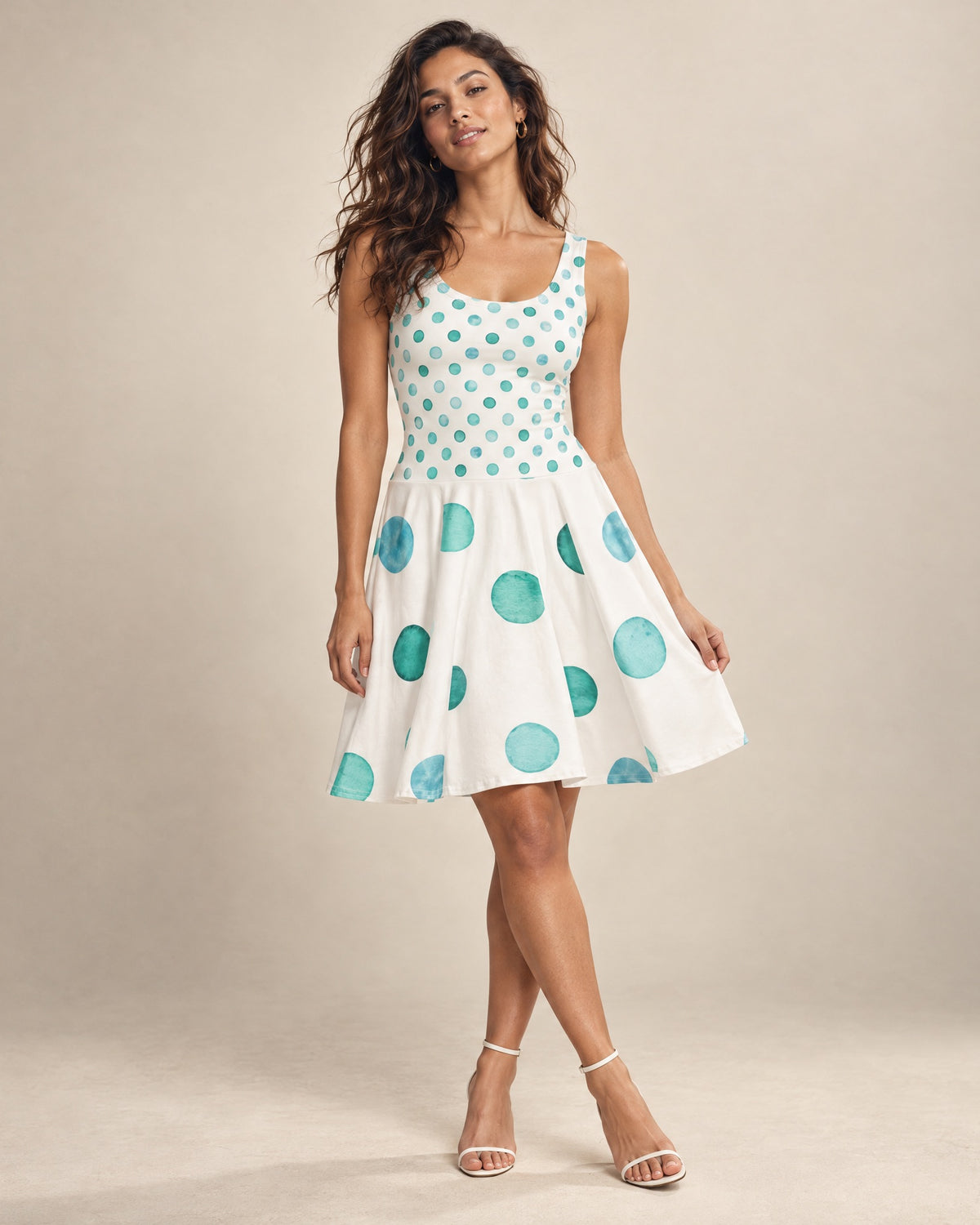
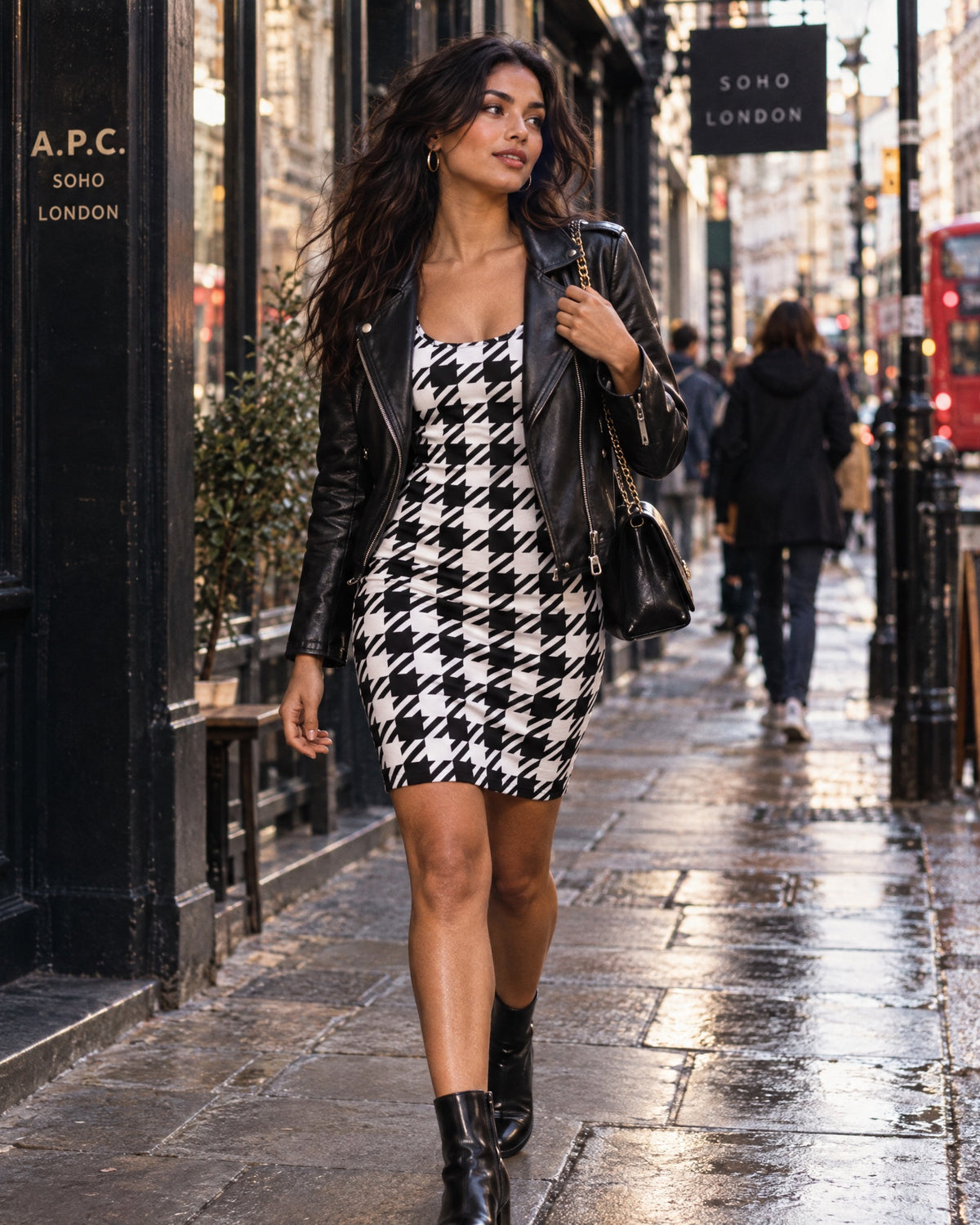
There are decades, and then there are decades. The 1960s was the latter — a ten-year stretch in which Britain, of all places, decided to take up considerably less space and have considerably more fun doing it.
It happened twice, almost simultaneously. Once on four wheels. Once on two legs.
The Mini: Small Car, Big Attitude
In August 1959, the British Motor Corporation released a car that looked like it had been designed by someone who'd been told the brief was impossible. It had. Sir Alec Issigonis, a Greek-British engineer with a fondness for cocktail napkin sketches, was handed a problem: build a proper car that used minimal fuel, took up minimal space, and cost minimal money. Post-war Britain was still rationing optimism.
What he produced was genuinely radical. The engine was mounted sideways — transversely, if you want to sound clever at dinner parties — which meant the wheels could be pushed to the four corners of the car. The result: a vehicle barely ten feet long that could seat four adults in reasonable comfort. It felt like a magic trick.
The Mini was classless in the best possible sense. It was affordable enough for the factory worker and cool enough for the film star. John Lennon had one. Peter Sellers had three. The Italian Job — arguably the greatest advertisement for a car ever committed to film — used it to rob a bank and outrun the Turin police through sewers.
Its design language was purely functional, yet it became one of the most recognisable silhouettes of the 20th century. Cheeky, compact, and completely sure of itself.
The Miniskirt: The Hemline That Changed Everything
Meanwhile, on the King's Road in Chelsea, a young designer named Mary Quant was doing something similar — except with scissors.
Quant didn't invent the short skirt alone (André Courrèges in Paris was working along similar lines), but she understood something her competitors didn't: it wasn't just a garment, it was a statement. The miniskirt said that women's clothing didn't have to be demure, deferential, or dictated by men of a certain age in Parisian ateliers.
She named it after her favourite car. Of course she did.
By the mid-1960s, the miniskirt had gone from Chelsea boutique to global phenomenon. Models like Twiggy and Jean Shrimpton wore it. Women who'd never thought of themselves as fashionable suddenly felt, for the first time, that fashion was for them. The hemline rose, and with it, so did a certain kind of confidence.
It was cheeky in the most literal sense — and Britain was absolutely here for it.
Two Icons, One Decade
What connects the Mini and the miniskirt isn't just chronology. It's a shared design philosophy: take something that existed, strip away everything unnecessary, and end up with something more alive than what you started with.
Both were British responses to a world that had been taking itself rather too seriously. Both proved that constraint — of space, of fabric — could be a creative force rather than a limitation. Both have endured not because they were trendy, but because they were true.
And both, in their own way, were an act of cheek — that particularly British quality of doing something audacious with a straight face and a knowing smile.
The Cheeky British Tradition
At Jolly & Goode, we think about this tradition a lot. British design at its best has always had that quality — it doesn't shout, it doesn't explain itself, it just turns up looking brilliant and lets you figure it out.
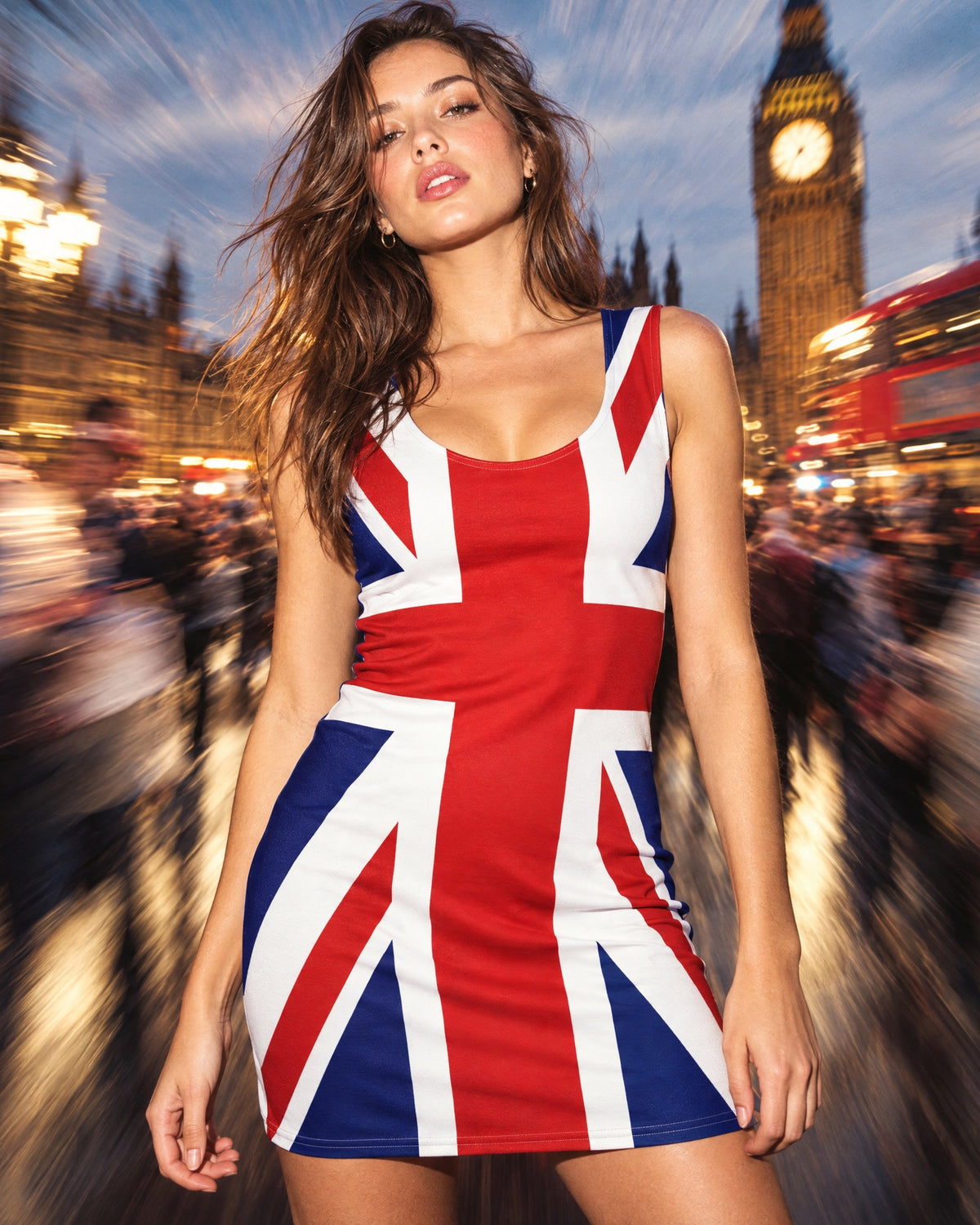
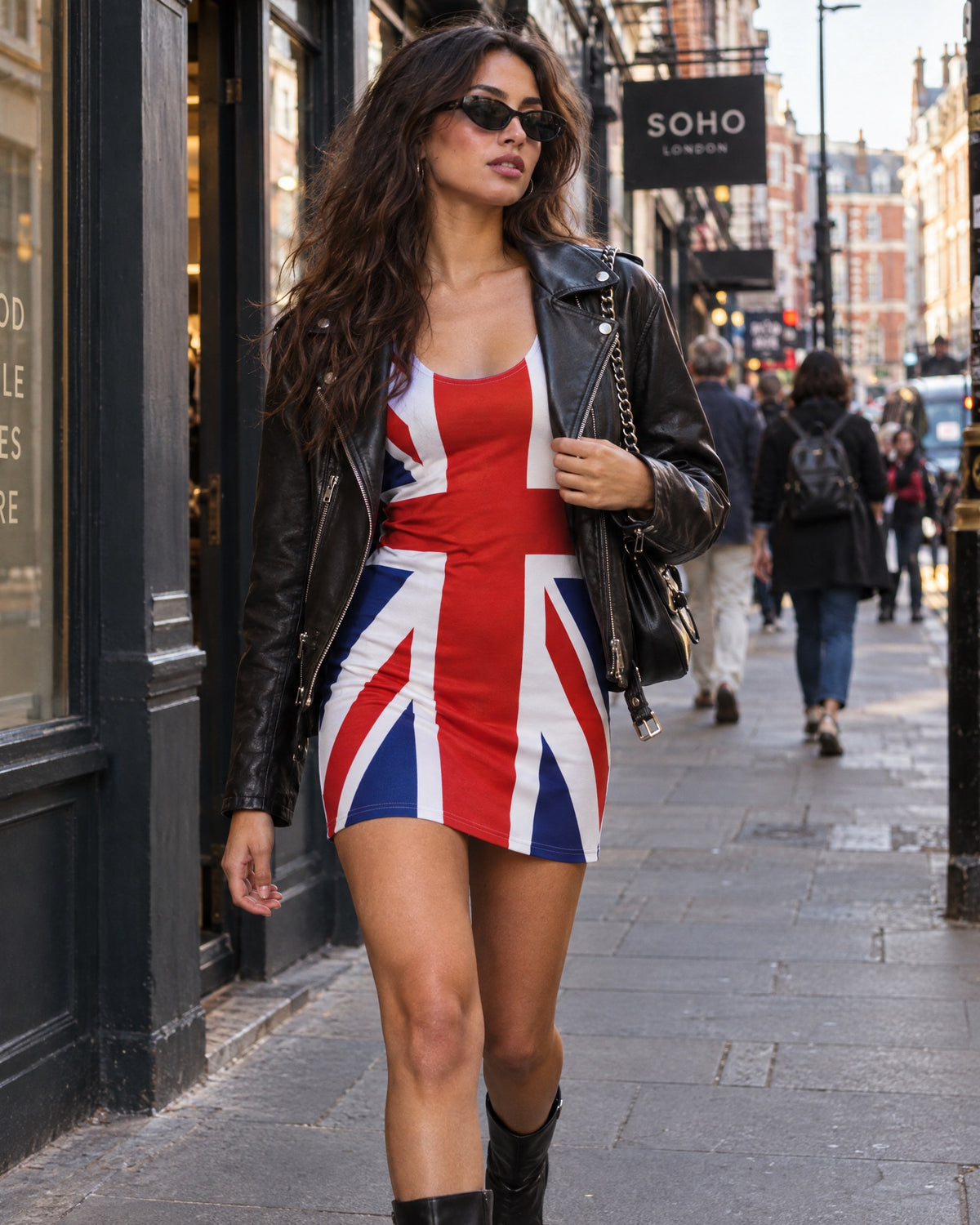
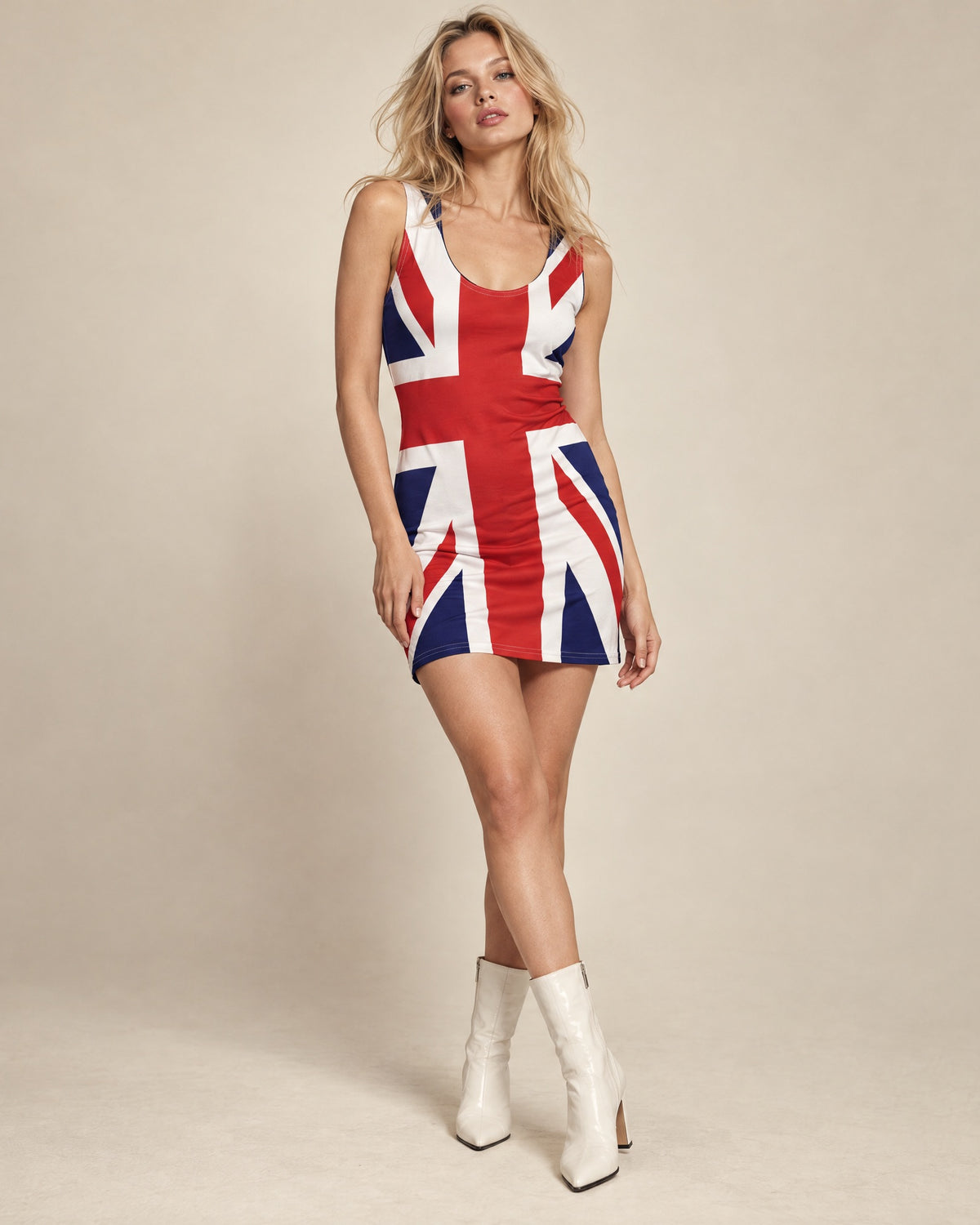
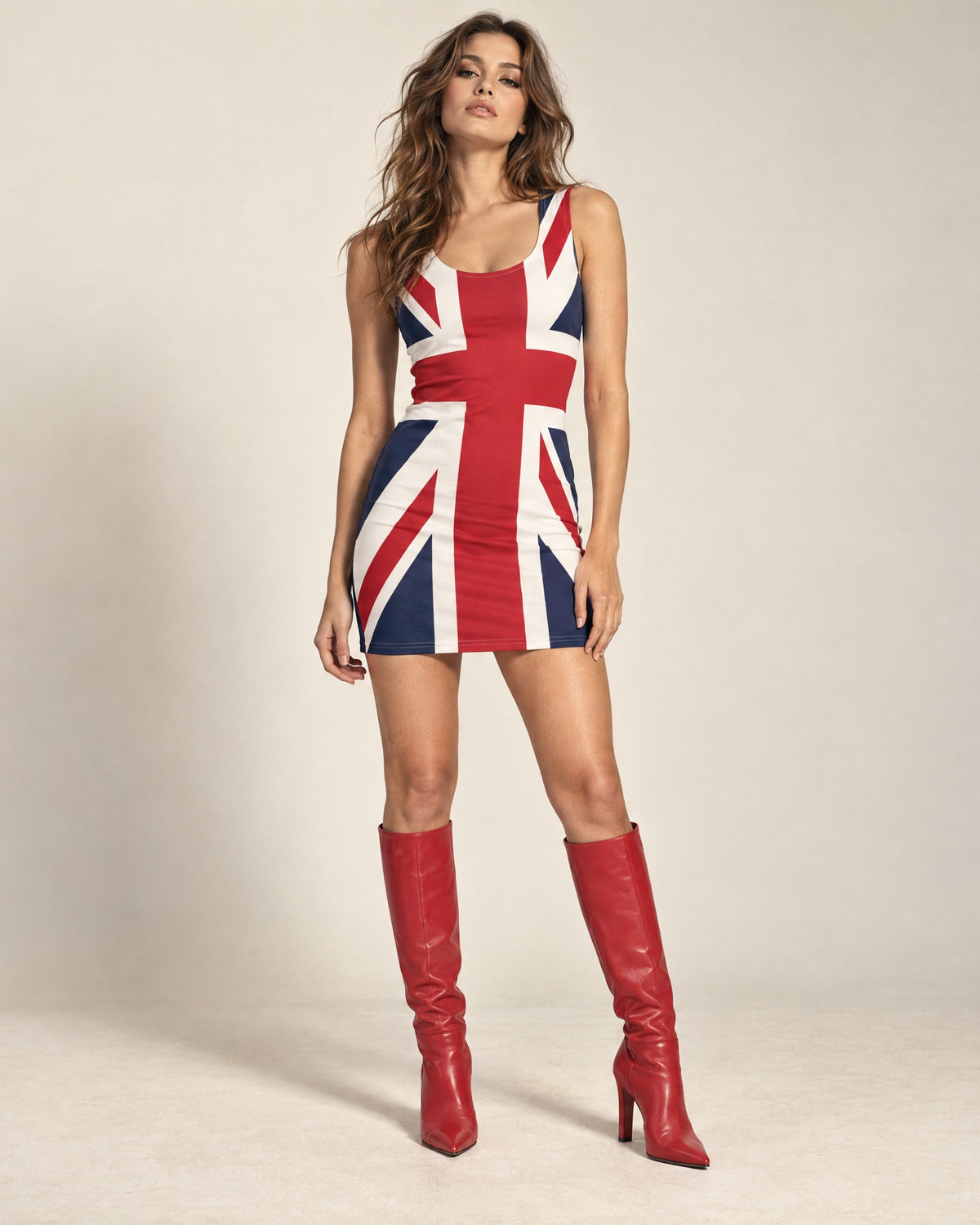
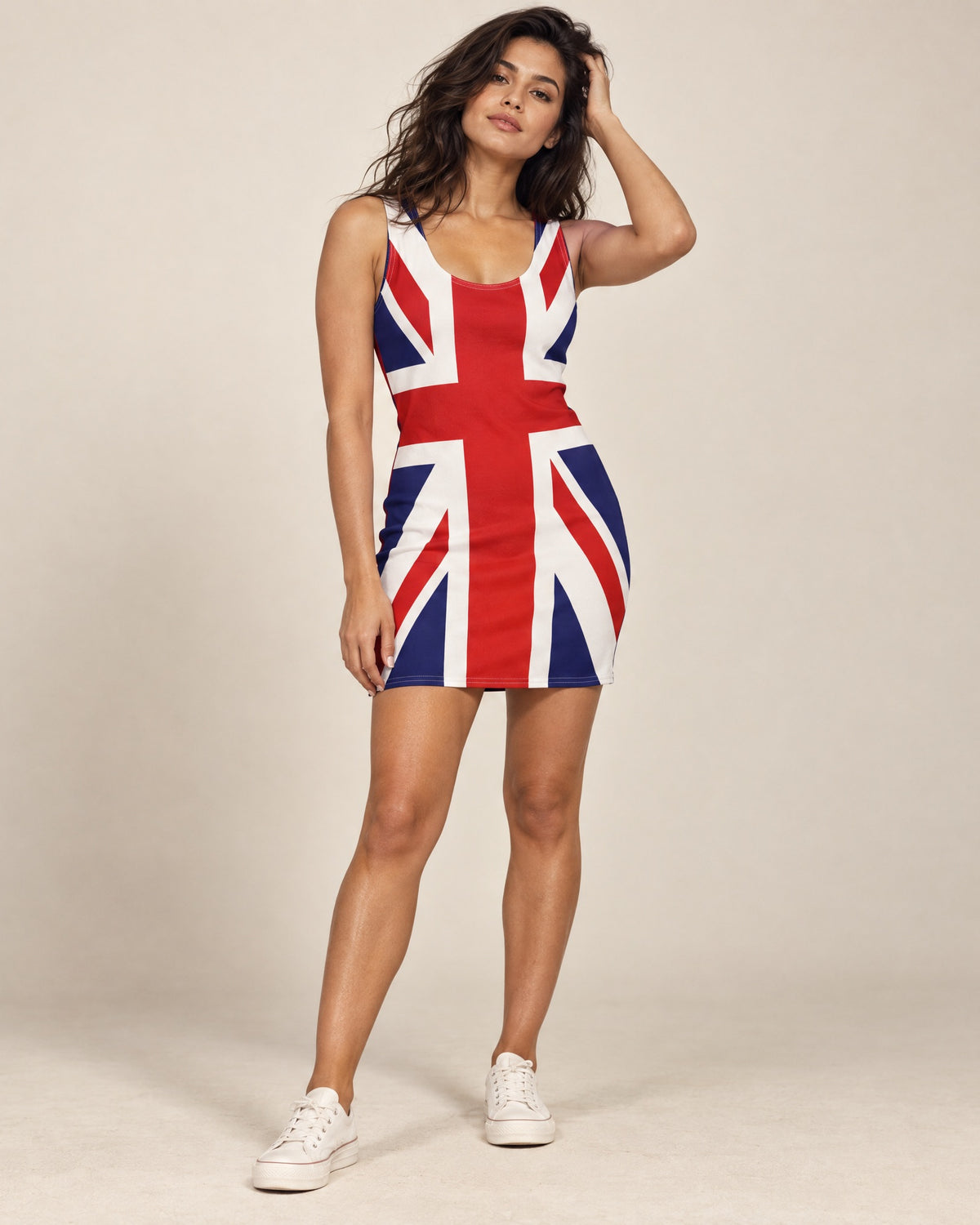
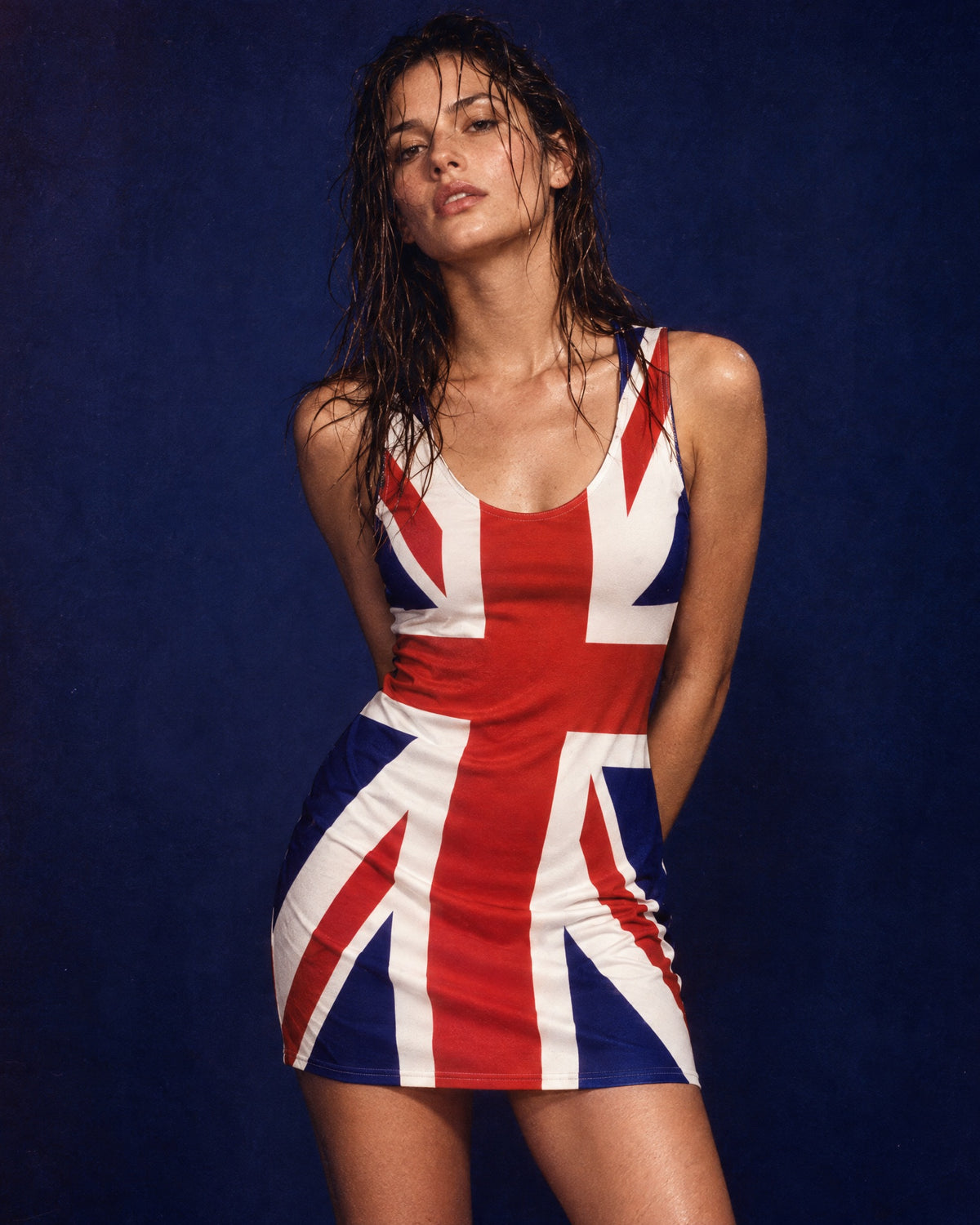
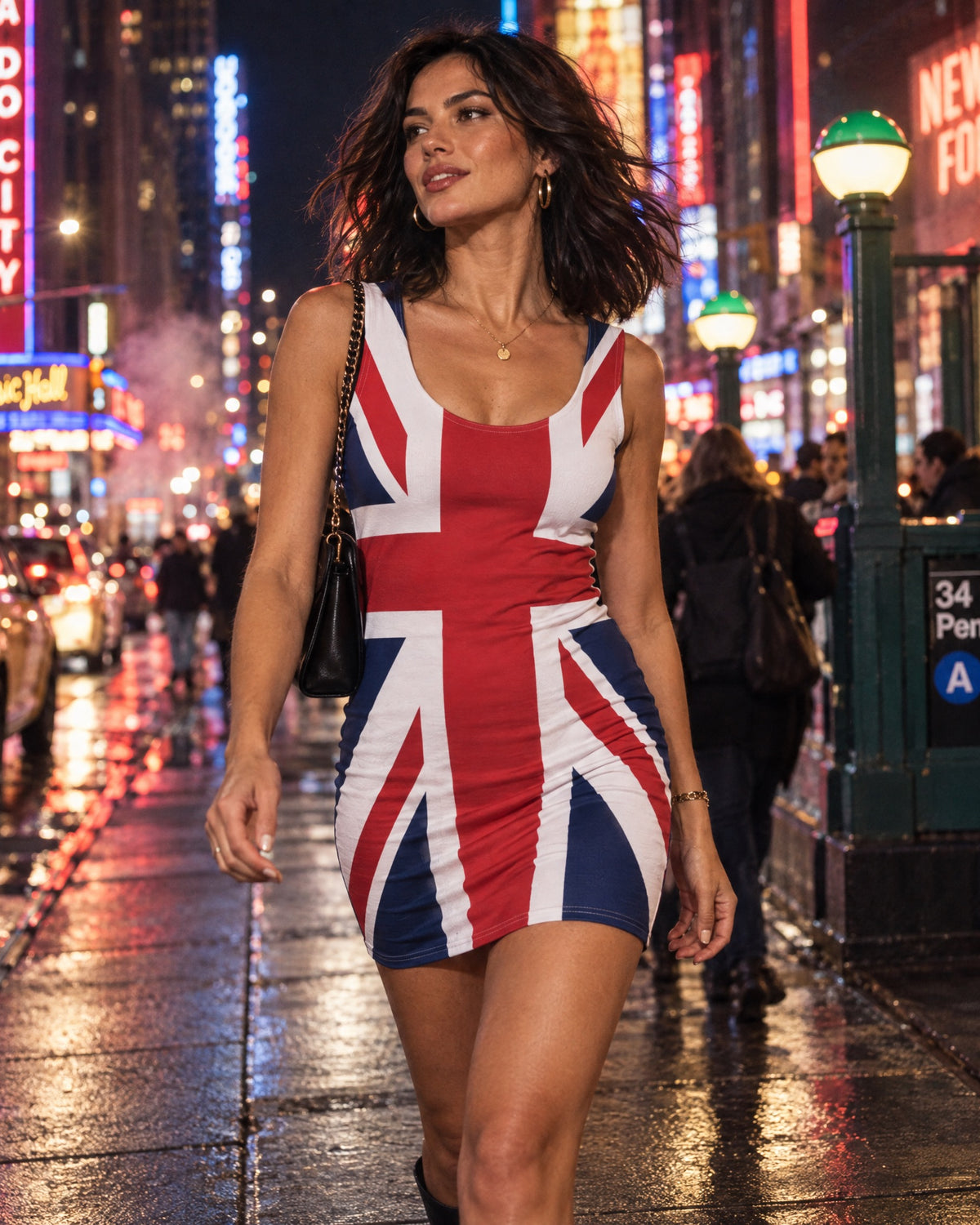
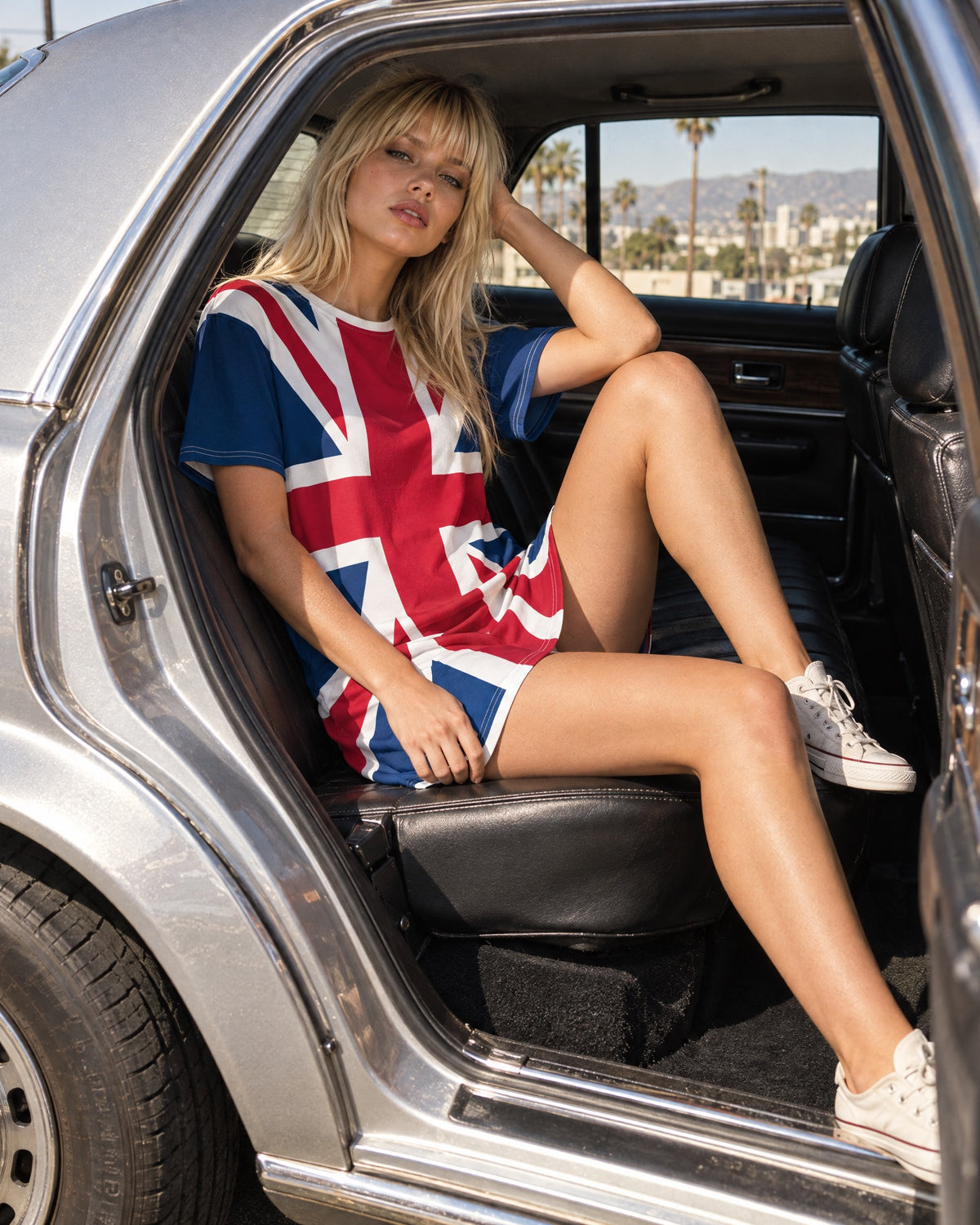
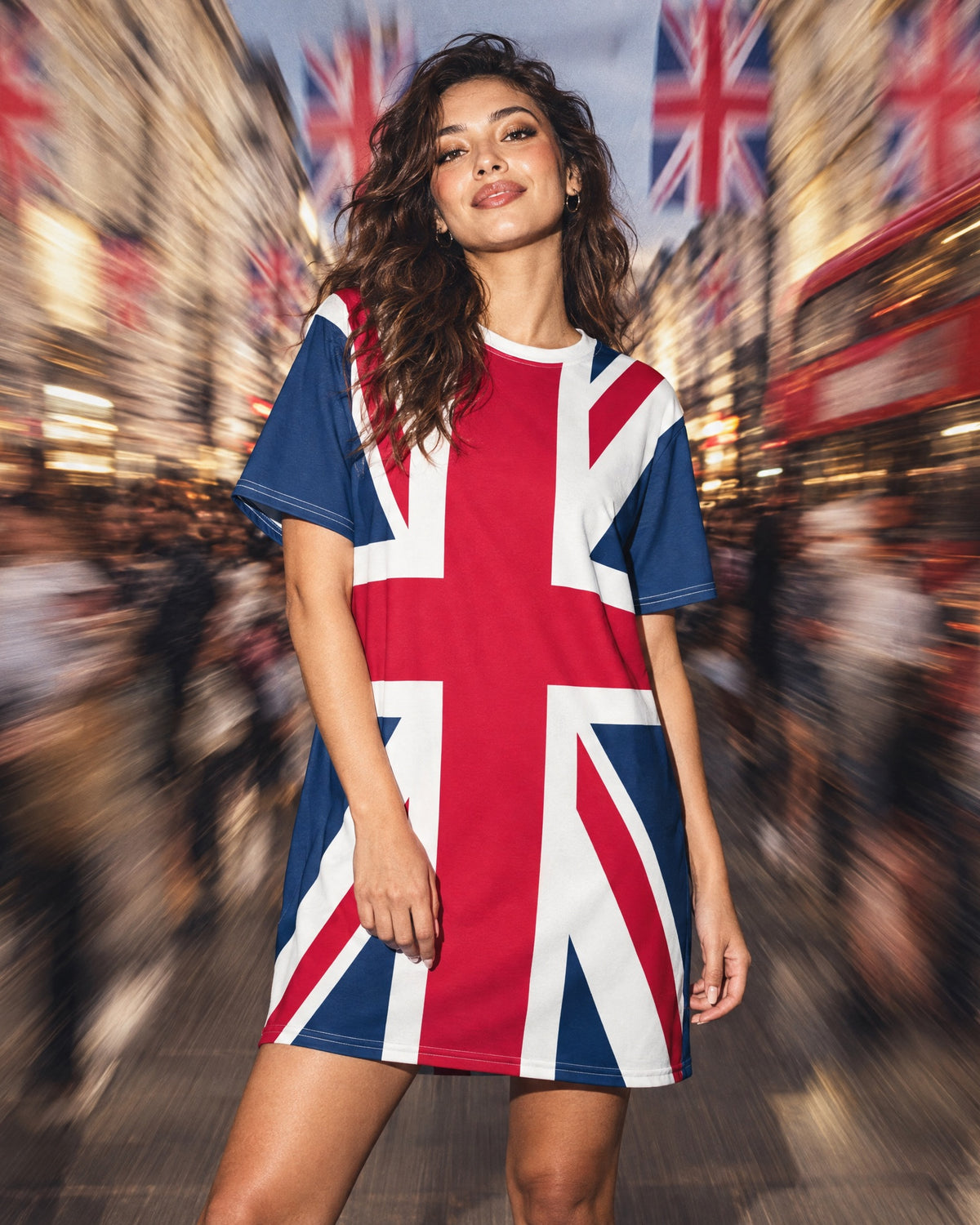
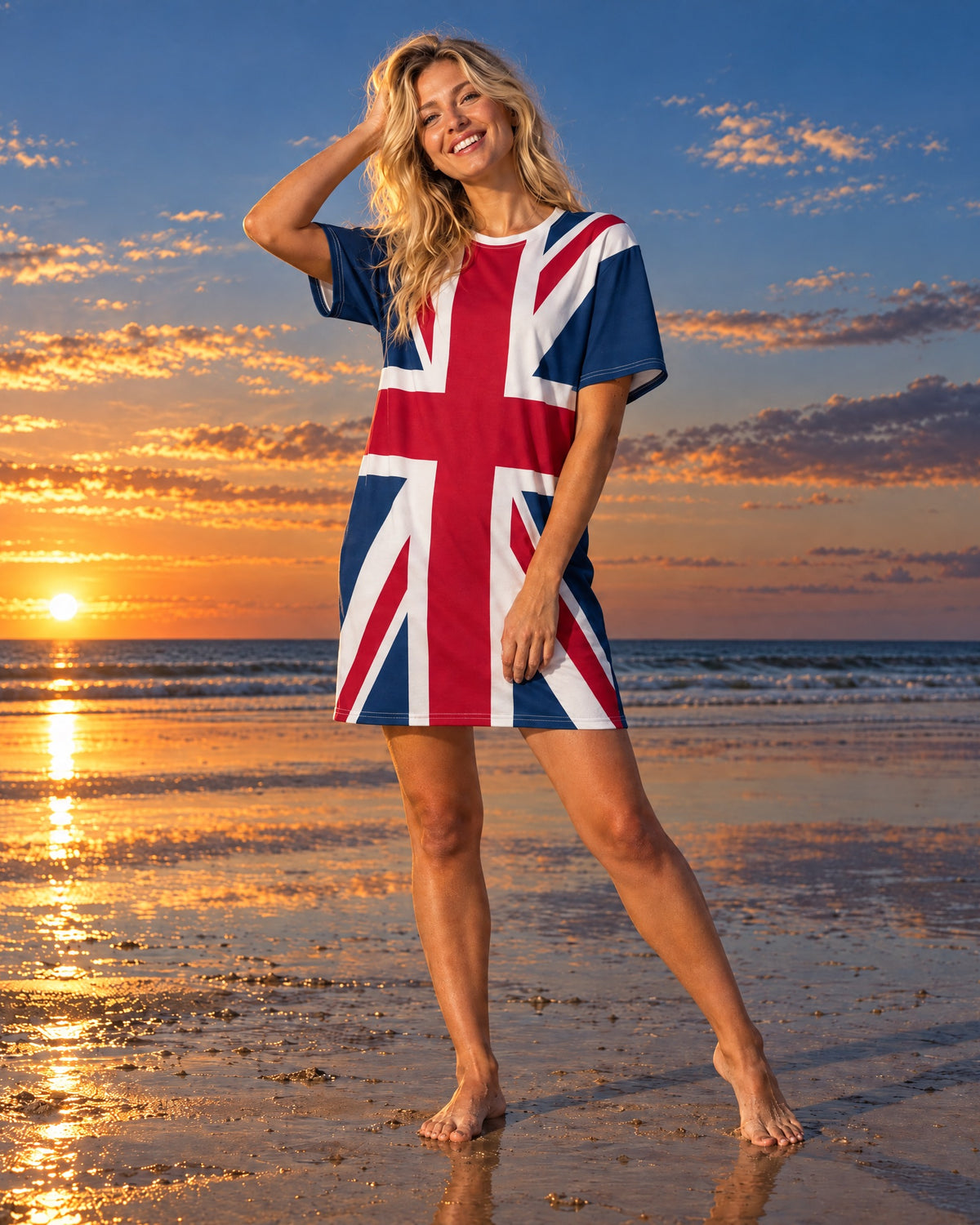
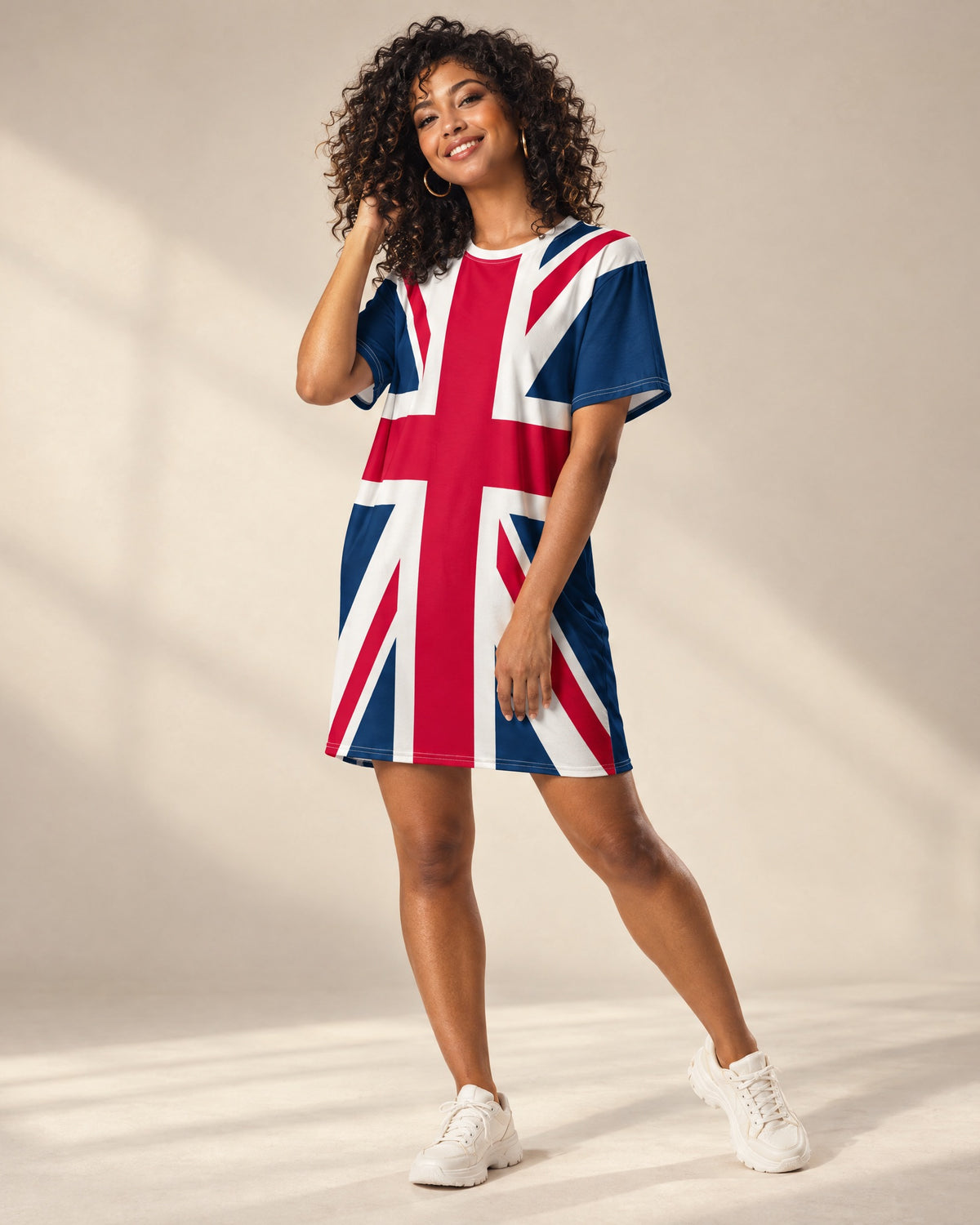
Our Union Jack bikinis sit squarely in that lineage. Bold enough to be unmistakable, cheeky enough to make you smile, and made well enough to last beyond the season. Issigonis would probably approve. We'd like to think Mary Quant definitely would.
Cheers,
Jolly & Goode