The story of Atlantis has captivated the human imagination for over two thousand years. A great civilisation, advanced beyond its time, swallowed by the sea in a single catastrophic day and night. Plato first recorded the tale around 360 BC, and ever since, scholars, mystics, and adventurers have argued passionately about where this lost world might have been.
Most people look to the Mediterranean. Some point to the Azores or the Caribbean. But a quietly compelling school of thought places Atlantis much closer to home — somewhere in the waters around the British Isles.
Could Atlantis Have Been Near Britain?
It sounds far-fetched at first. But consider this: at the end of the last Ice Age, around 6,000–8,000 years ago, vast swathes of land that are now beneath the North Sea were above water. Geologists call this lost landscape Doggerland — a fertile, inhabited landmass connecting Britain to continental Europe, home to Mesolithic peoples who hunted, fished, and built communities there for thousands of years.
As the ice caps melted and sea levels rose, Doggerland was gradually, then catastrophically, inundated. Some researchers believe a massive tsunami triggered by an underwater landslide off Norway — the Storegga Slide — may have delivered the final blow, submerging the last remnants of this world beneath the waves in living memory of its inhabitants.
A great land. Advanced for its time. Lost to the sea. Sound familiar?
Fringe theorists and some more serious researchers have proposed that the memory of Doggerland's destruction — passed down through oral tradition across generations — may have eventually reached the Greeks and inspired, or at least informed, Plato's account of Atlantis. It's speculative, of course. But it's a speculation with genuine geological bones.
The Sunken Bell of Wales: Cantre'r Gwaelod
Britain has its own drowned world legend, and it's every bit as haunting as Atlantis. Beneath the waters of Cardigan Bay off the west coast of Wales lies Cantre'r Gwaelod — the Lowland Hundred — a mythical kingdom said to have been lost to the sea through negligence or hubris, depending on which version of the tale you hear.
According to legend, the kingdom was protected from the sea by a great embankment with sluice gates. One night, the gates were left open — some say by a drunken gatekeeper, others by a lovesick prince distracted by a woman — and the sea rushed in, swallowing the land and its sixteen cities forever.
The most enduring detail of the legend is this: on still nights, when the tide is right and the sea is calm, you can still hear the bells of the sunken churches tolling beneath the waves of Cardigan Bay.
It's a detail that sends a shiver down the spine — and it's not entirely without basis. Submerged prehistoric forest stumps are genuinely visible at low tide along the Welsh coast, silent witnesses to a time when the land extended much further into what is now the sea.
Where Myth Meets the Deep
What unites Atlantis, Doggerland, and Cantre'r Gwaelod is something deeply human: the knowledge, encoded in story and symbol, that the world we stand on is not permanent. Coastlines shift. Lands are lost. Civilisations vanish. And sometimes, if you listen carefully, you can still hear them.
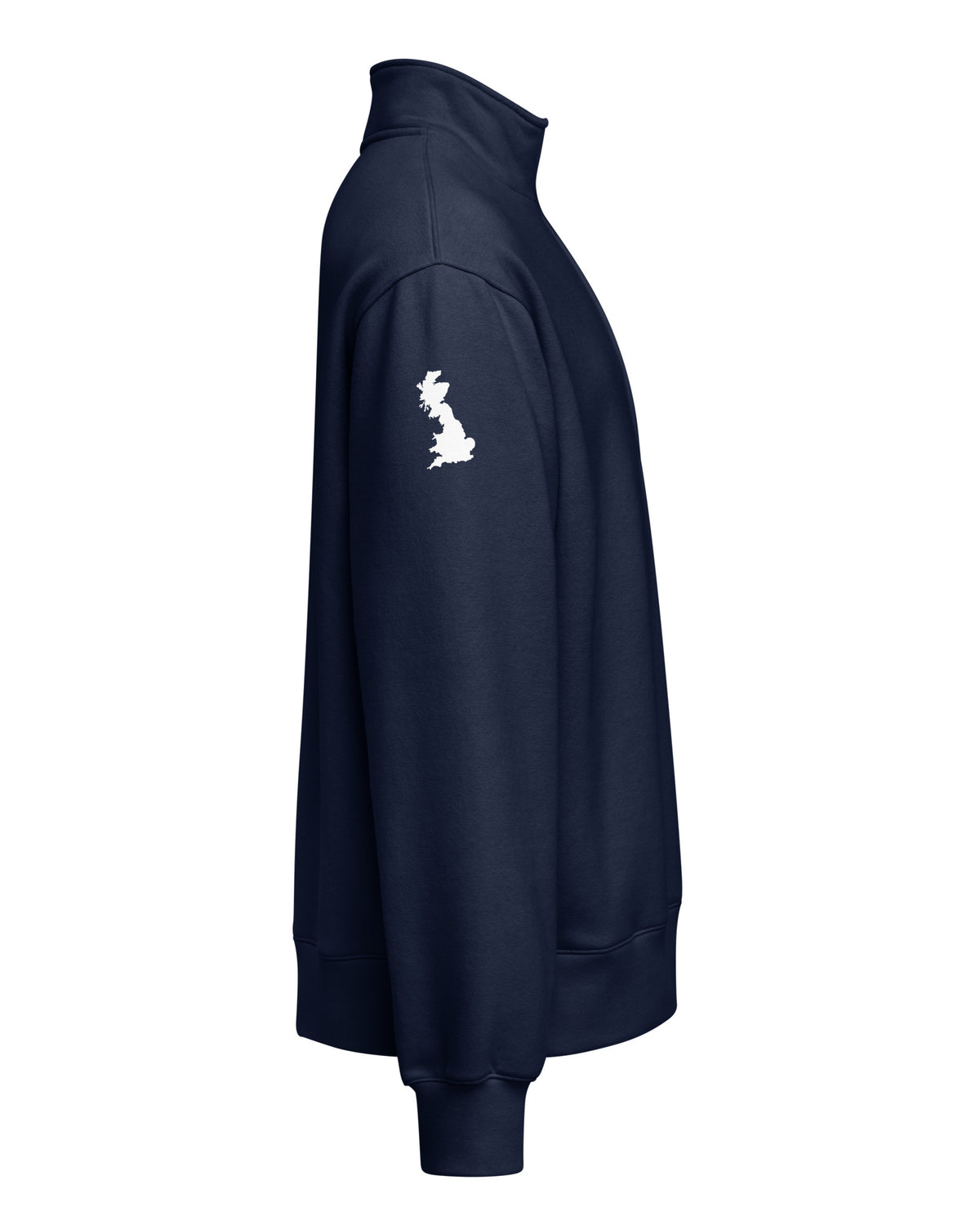
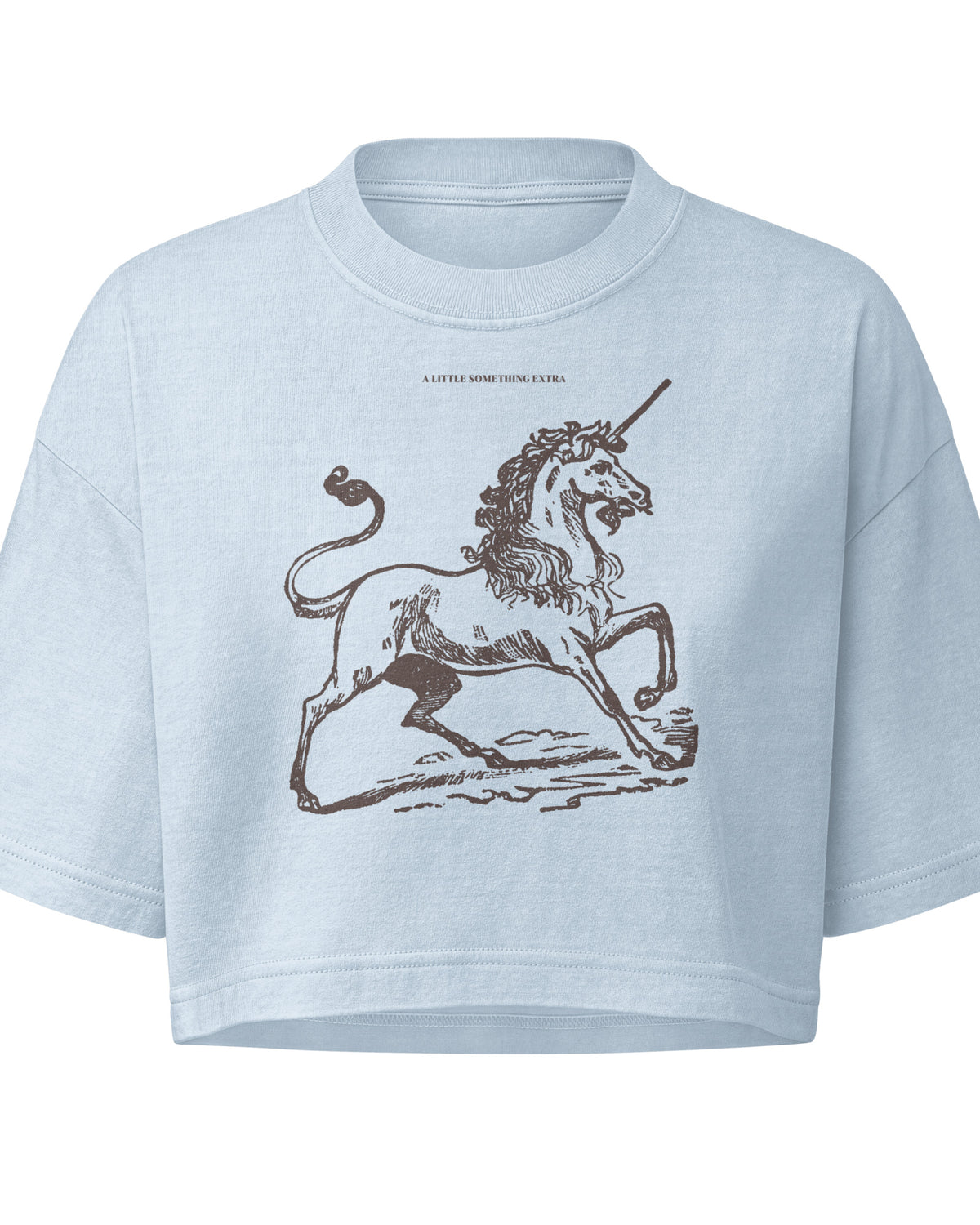
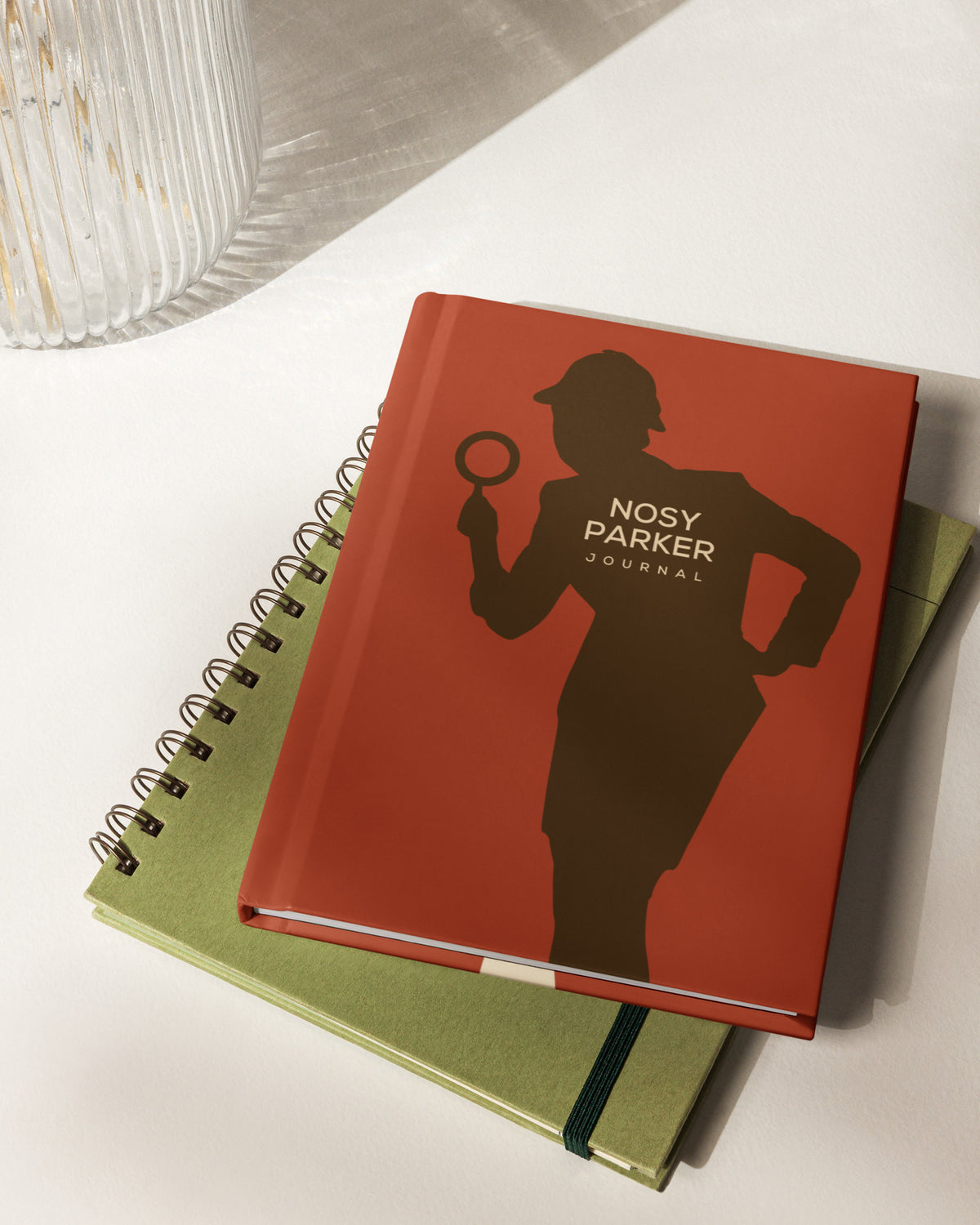
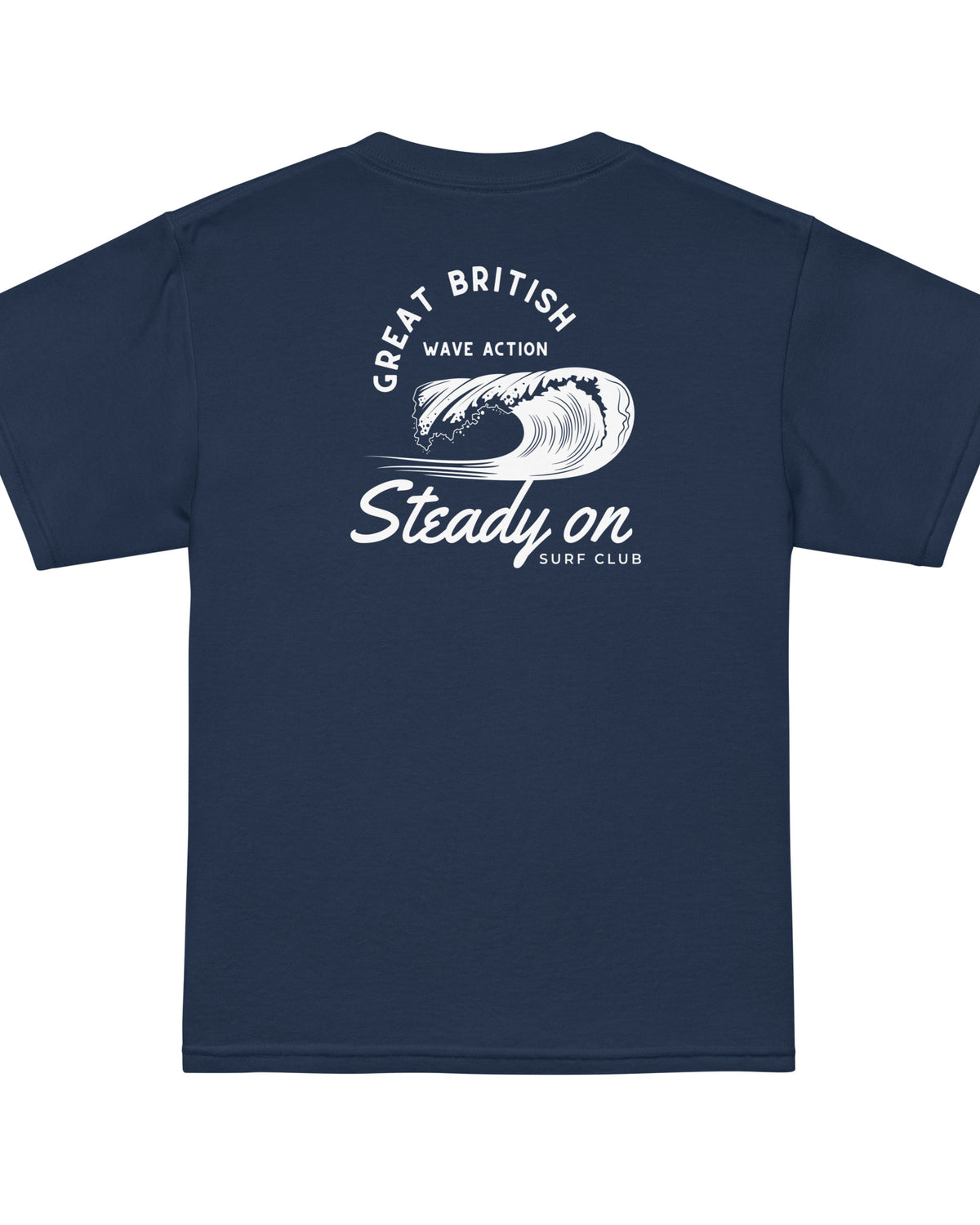
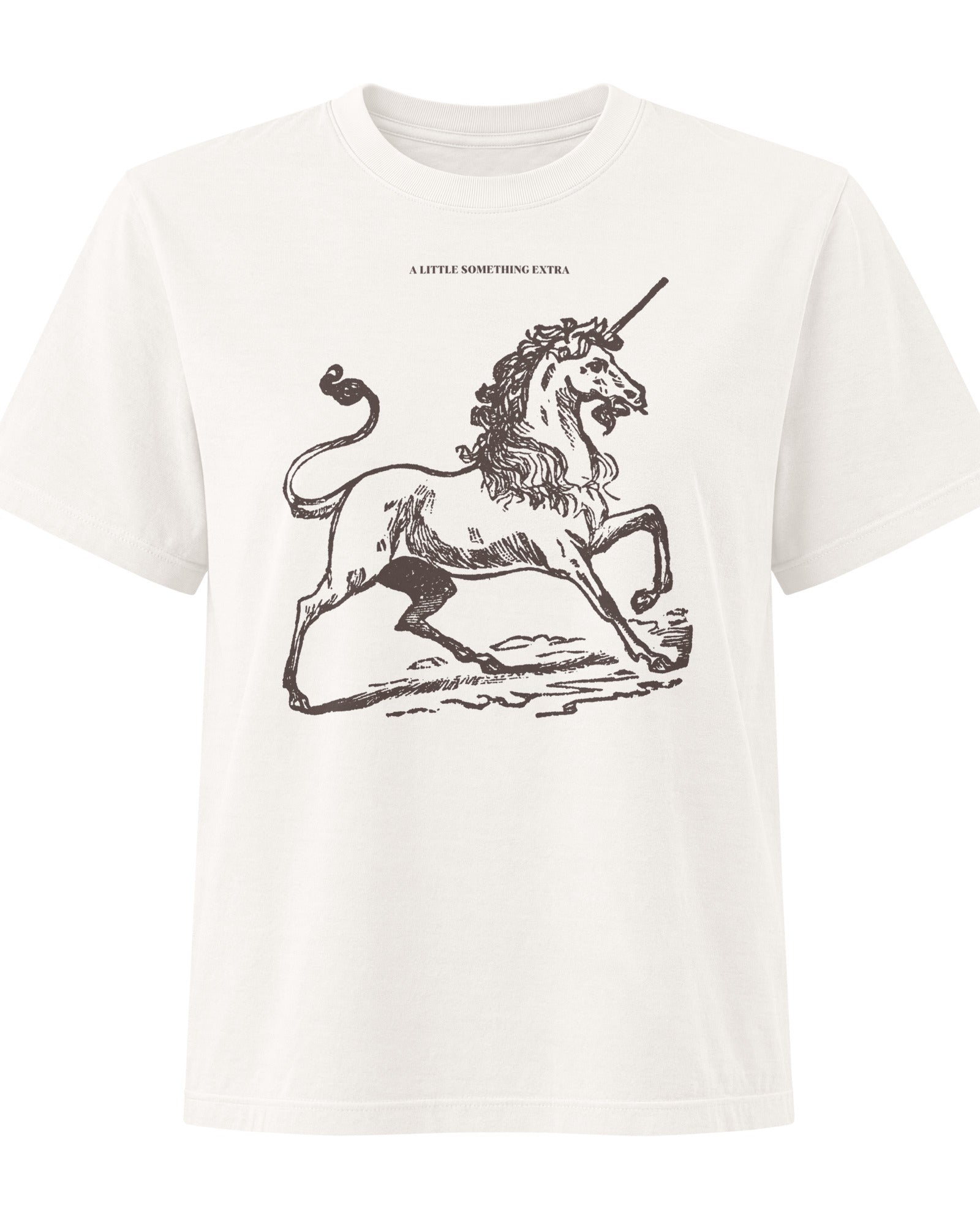
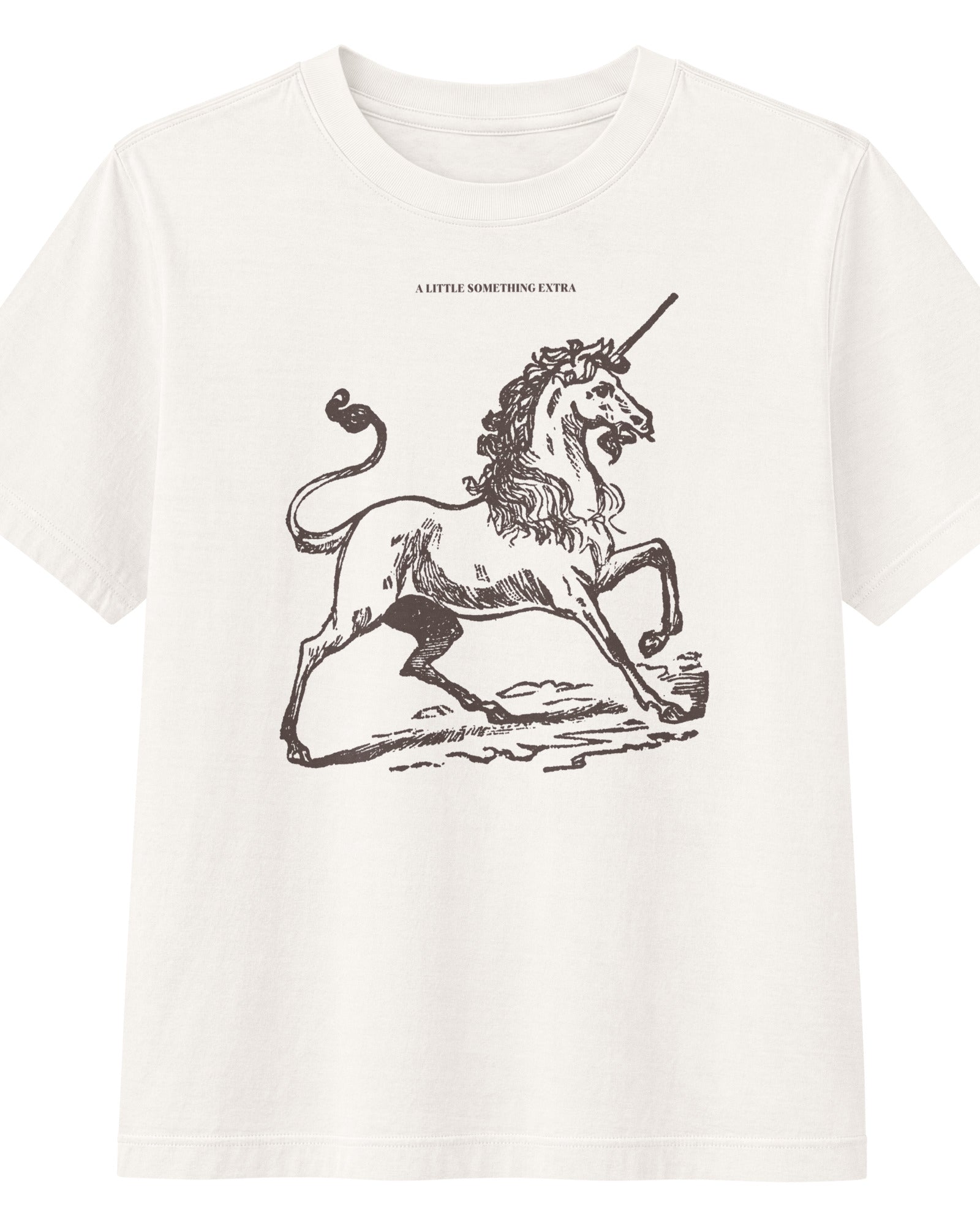
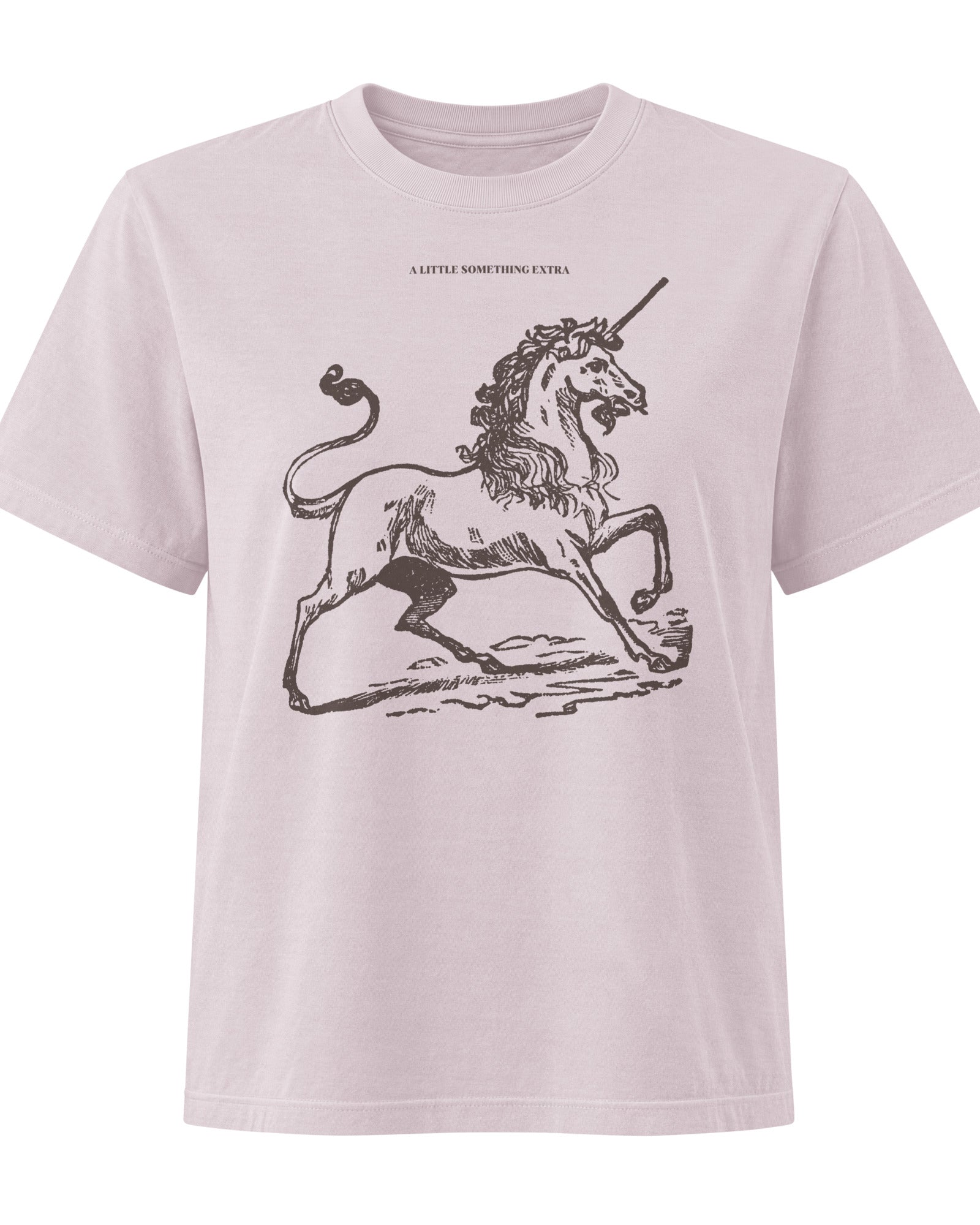
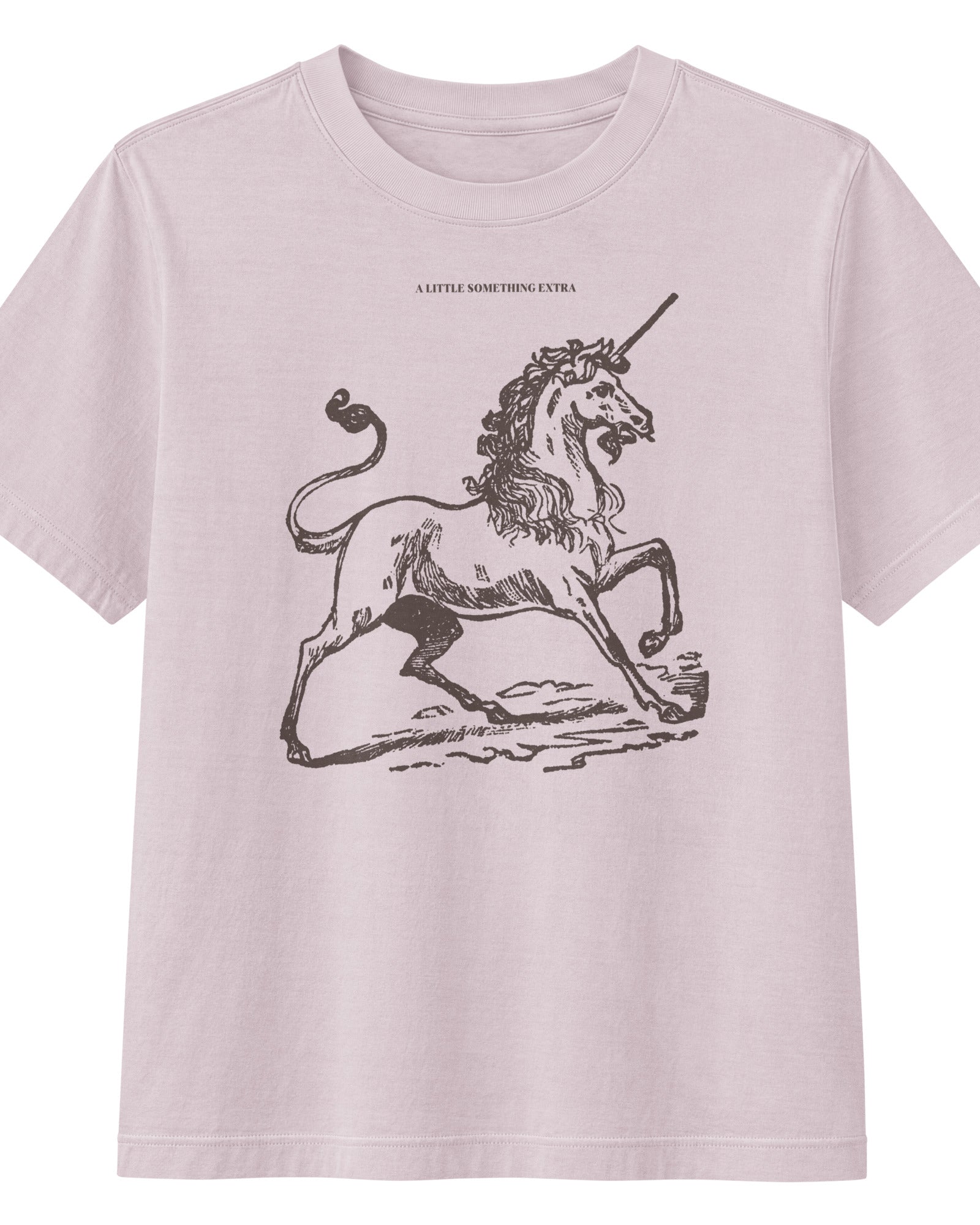
It's this spirit — of ancient mystery, Celtic legend, and the haunting beauty of things lost beneath the waves — that inspired our Atlantis Collection. Each piece features Celtic text drawn from the tradition of Cantre'r Gwaelod, evoking the legend of the sunken bell off the coast of Wales. Wear it as a conversation piece, a connection to something ancient, or simply because it looks magnificent.
The sea keeps its secrets. But you don't have to.