Everyone remembers Ebenezer Scrooge. The miserly old curmudgeon, the three spirits, the turkey, the redemption. It's one of the most beloved stories in the English language, and Charles Dickens wrote it in a white-hot six weeks in 1843.
But none of it happens without Jacob Marley.
Who Was Jacob Marley?
Jacob Marley was Scrooge's business partner — his only friend, if we're being generous with the word. The two men were cut from the same cloth: hard, cold, devoted to profit above all else, and utterly indifferent to the suffering of those around them. When Marley died, seven years before the story begins, he left Scrooge as the sole proprietor of their counting house and, apparently, the sole mourner at his funeral — though even that is doubtful. Scrooge, we're told, was "not so dreadfully cut up by the sad event" that he couldn't conduct business that very day.
Dickens opens A Christmas Carol with one of literature's most famous sentences: "Marley was dead, to begin with." It's a statement of fact delivered with almost comic bluntness, and it sets the tone for everything that follows. Marley is dead. This is important. You must understand this, or nothing wonderful can come of the story I am going to relate.
The Chains He Forged in Life
When Marley's ghost appears to Scrooge on Christmas Eve, he arrives in spectacular, terrifying fashion — dragging a chain "long, and wound about him like a tail" made of "cash-boxes, keys, padlocks, ledgers, deeds, and heavy purses wrought in steel." It is, Dickens tells us, the chain Marley forged in life, link by link, yard by yard, through every act of greed and every moment of wilful blindness to human suffering.
It's one of the most vivid and enduring images in Victorian literature. The chain is not a punishment handed down from above — it is the physical manifestation of the choices Marley made, accumulated over a lifetime. He built it himself. He wore it freely. He didn't know it.
"I wear the chain I forged in life," Marley tells Scrooge. "I made it link by link, and yard by yard; I girded it on of my own free will, and of my own free will I wore it."
It's a line that has lost none of its power in nearly two centuries.
Marley's Warning — and His Gift
Marley doesn't appear to frighten Scrooge for sport. He appears because he has been given a chance — a mercy, he calls it — to warn his old partner before it's too late. Scrooge's chain, Marley tells him, was as heavy and as long as his own seven years ago, and Scrooge has had seven more years to add to it since.
The three spirits — Christmas Past, Present, and Yet to Come — are Marley's gift to Scrooge. Without that visitation, without that warning delivered through a door that was never unlocked, Scrooge would have continued on his miserable trajectory and ended up exactly where Marley did: condemned to wander the earth, witnessing the suffering he could have alleviated and never can now.
Marley is, in other words, the hinge on which the entire story turns. He is the cautionary tale and the catalyst. The ghost of Christmas Never-Was.
Why Marley Endures
There's something about Jacob Marley that resonates beyond the seasonal. He represents a very human fear: that we might reach the end and realise, too late, that we spent our time on the wrong things. That the ledger we kept so carefully recorded only what we took, never what we gave. That the chain we built, link by link, is heavier than we ever imagined.
He also gets the best entrance in Victorian fiction. A ghost who arrives through a locked door, jaw bound with a handkerchief, dragging the accumulated weight of a wasted life — and who still, somehow, manages to do one genuinely good thing. That's a character worth remembering.
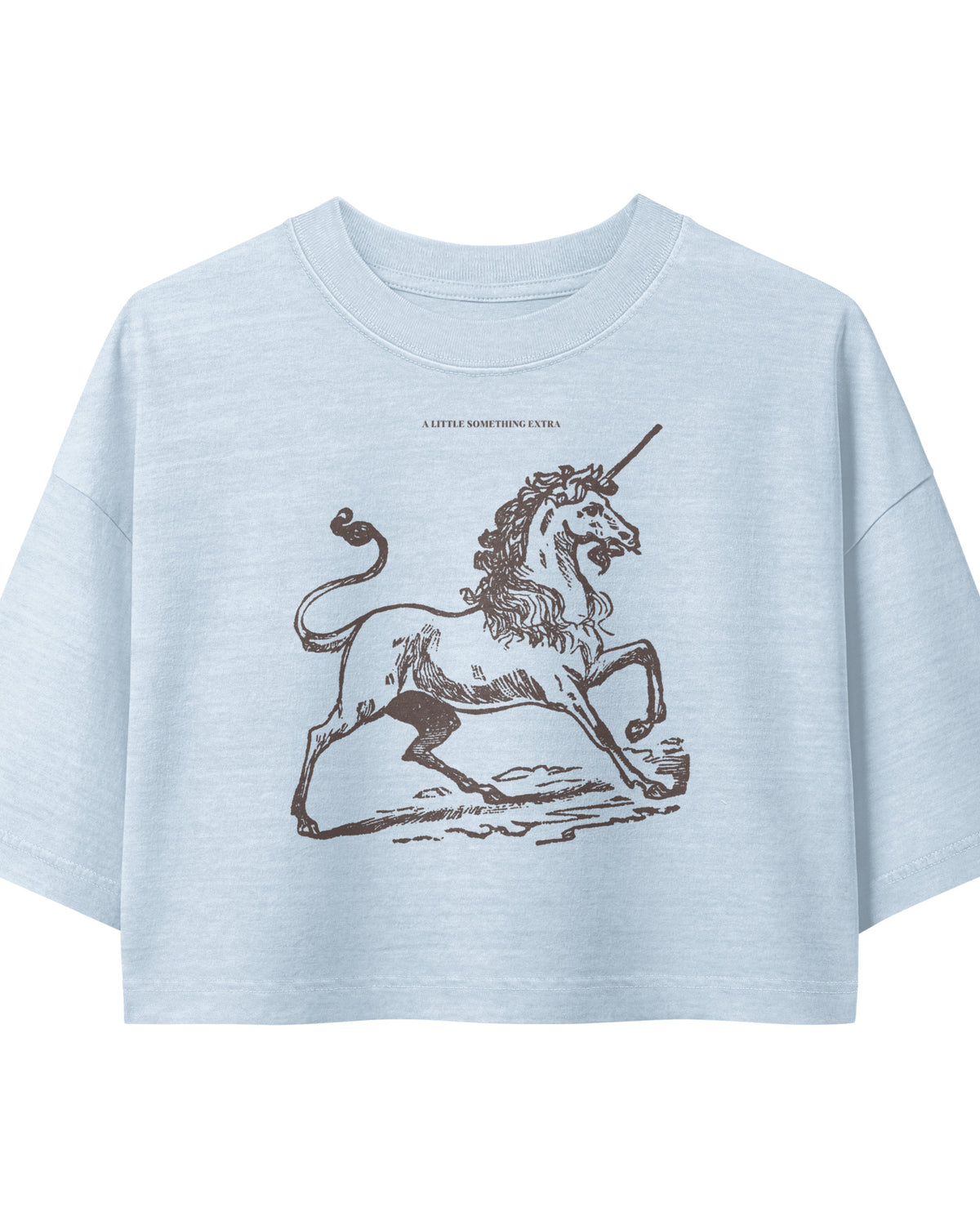
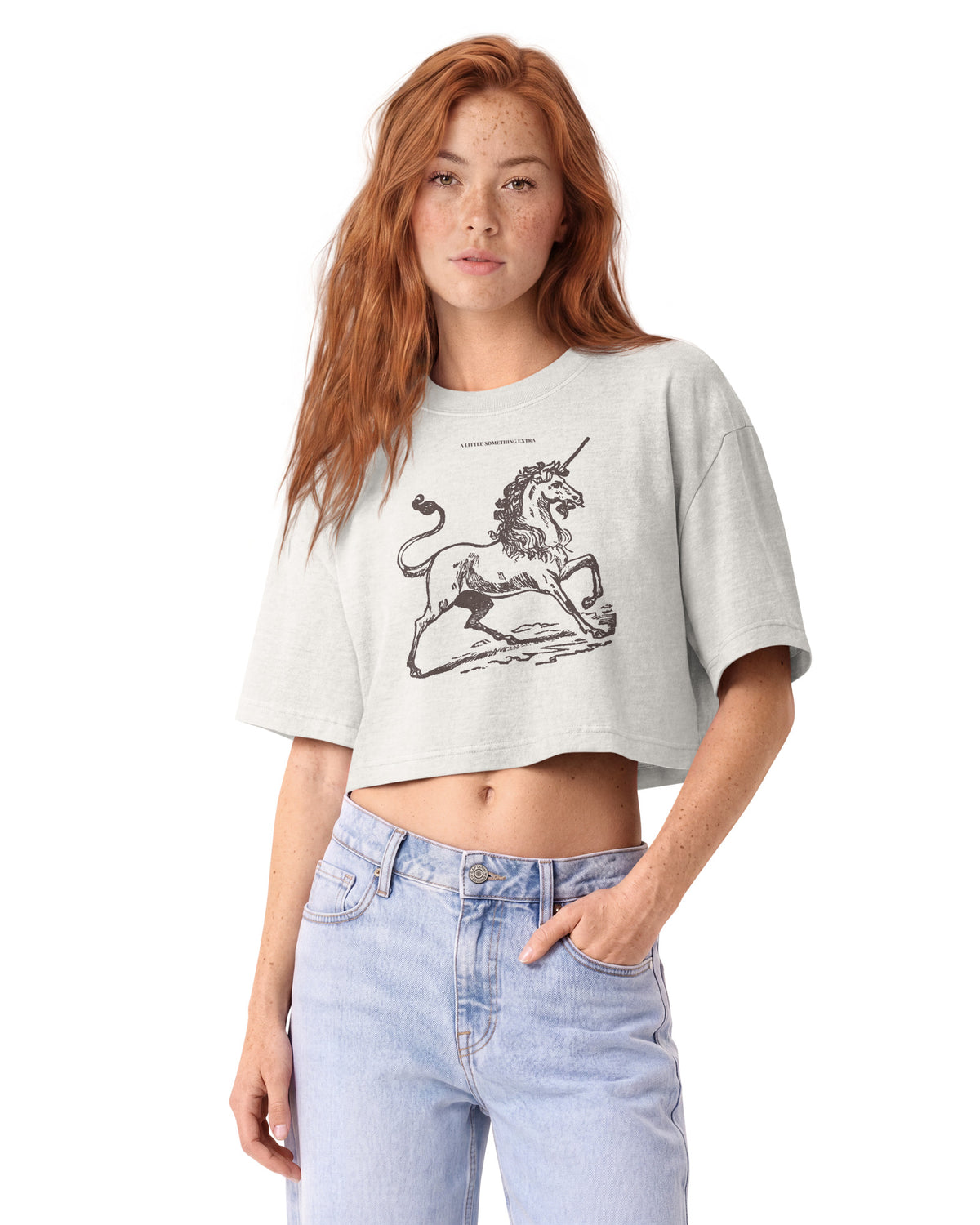
If you're as taken with Marley as we are, our Jacob Marley Collection is made for you — a range of gifts and apparel that pays proper tribute to the ghost who started it all. Because some chains are worth celebrating.