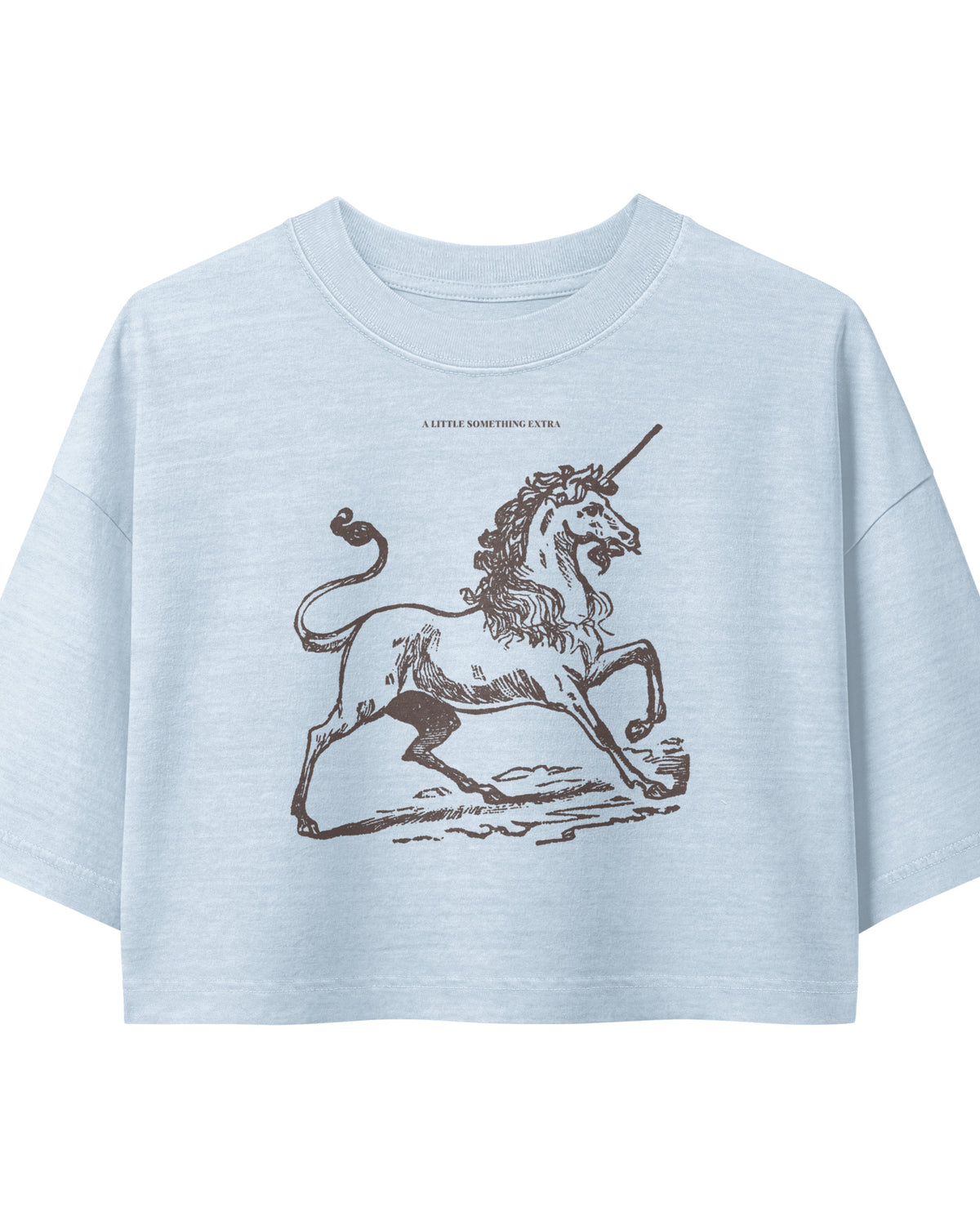
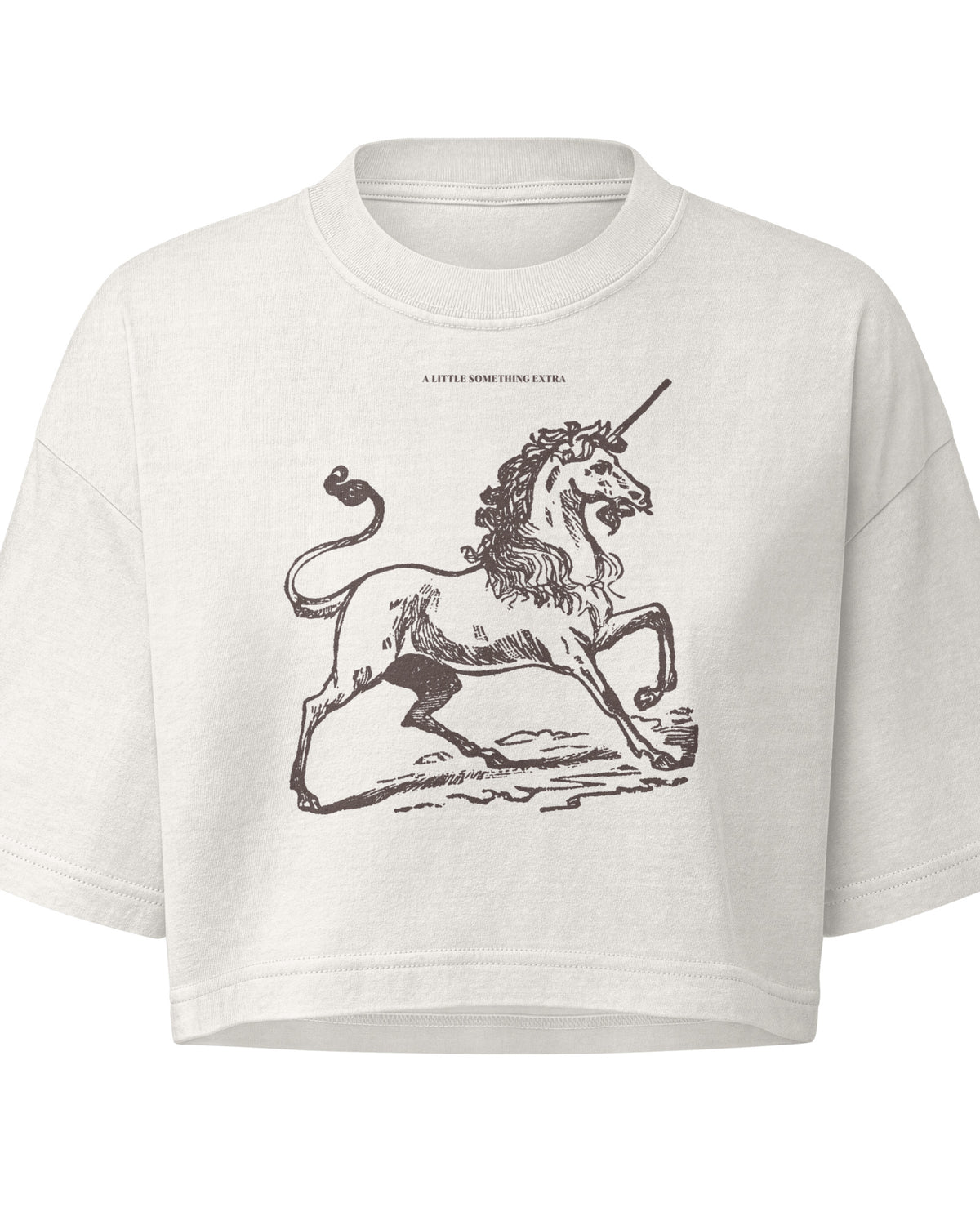
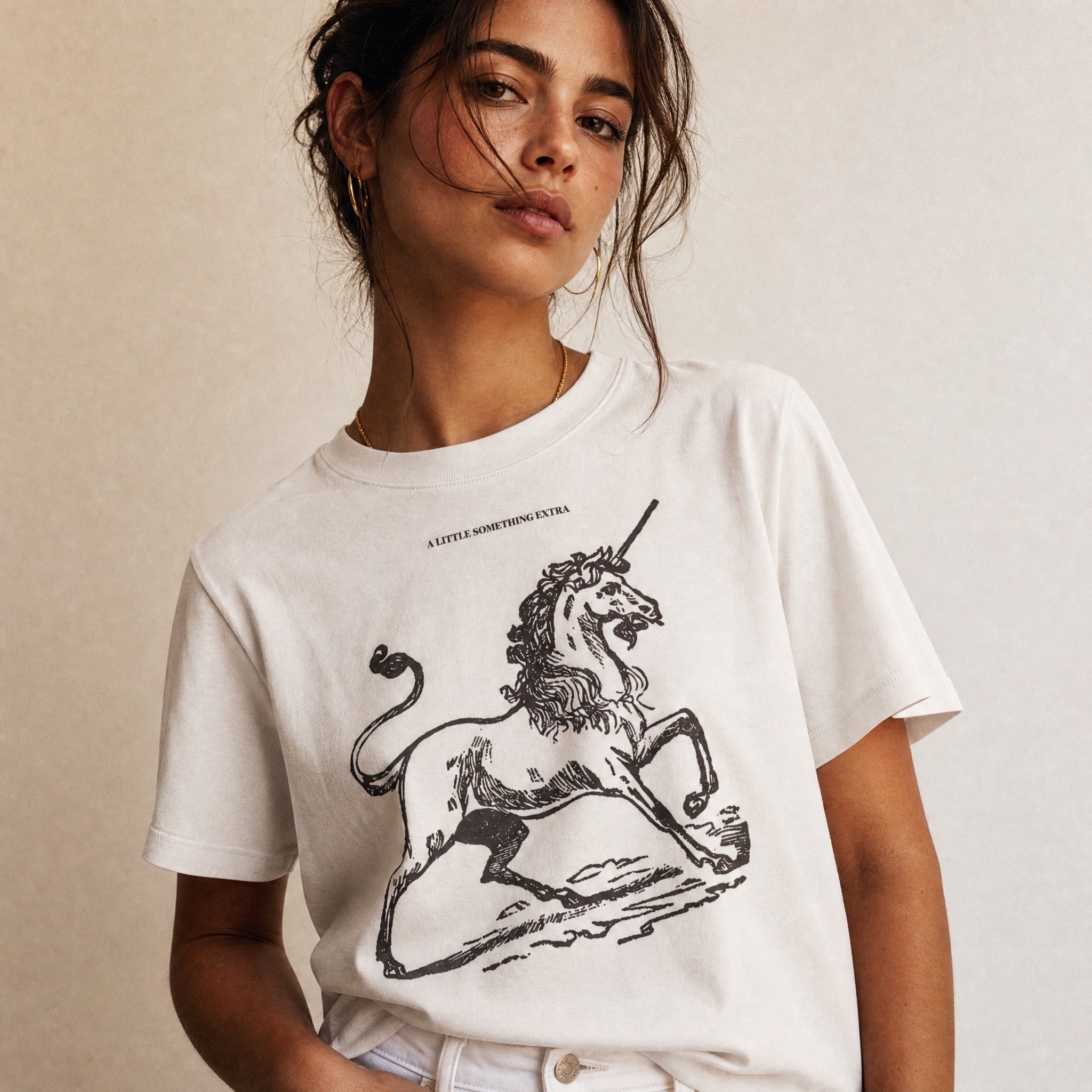
If you've ever spent time around Brits — or binged enough British telly — you've almost certainly heard the word cheeky. It's thrown around with the kind of casual affection that's distinctly, unapologetically British. But where did this wonderfully expressive word come from, and why has it become such a beloved fixture of British culture?
Where Did 'Cheeky' Come From?
The word cheeky has its roots in the Old English word ceace, meaning jaw or cheek. By the 19th century, cheek had evolved a figurative meaning in British English: impudence or impertinence. To have "a lot of cheek" meant to be boldly disrespectful or presumptuous — as if quite literally sticking your cheek out at someone in defiance.
From there, cheeky emerged as the adjective form, first appearing in print in the mid-1800s. Victorian-era Brits used it to describe someone who was a touch too bold, a little too mouthy, or pleasantly irreverent. The key was the pleasantly part — being cheeky was never quite the same as being rude. It carried a wink.
Cheeky in Modern British Life
Today, cheeky is one of those marvellously versatile British words that can apply to almost anything:
- A cheeky Nando's — popping out for a casual (and slightly indulgent) chicken dinner, usually mid-week when you probably shouldn't.
- A cheeky pint — one quick drink that inevitably becomes three.
- A cheeky smile — the kind of grin that says "I know exactly what I just did, and I regret nothing."
- A cheeky bargain — finding something brilliant at an unexpectedly low price and feeling rather pleased about it.
The word carries a kind of irreverent warmth. It implies you're bending the rules just slightly, indulging yourself a little more than is strictly sensible — and doing so with total charm.
Why the British Love It
British humour has always thrived on understatement, self-deprecation, and a healthy disregard for taking oneself too seriously. Cheeky sits right at the heart of that. It's a way of acknowledging that something is a bit naughty or bold, while simultaneously celebrating it. It softens confrontation, diffuses tension, and transforms mild misbehaviour into something endearing.
Think of it as the linguistic equivalent of raising an eyebrow and grinning at the same time.
Cheeky Around the World
As British culture has spread — through music, film, humour, and, well, the internet — cheeky has made its way into everyday use far beyond the British Isles. Americans, Australians, and even non-native English speakers have adopted it, usually with great affection. There's something irresistible about a word that captures mischief and charm in equal measure.
And honestly? We think that's very cheeky of them. We're absolutely here for it.
A Word That Feels Like Britain
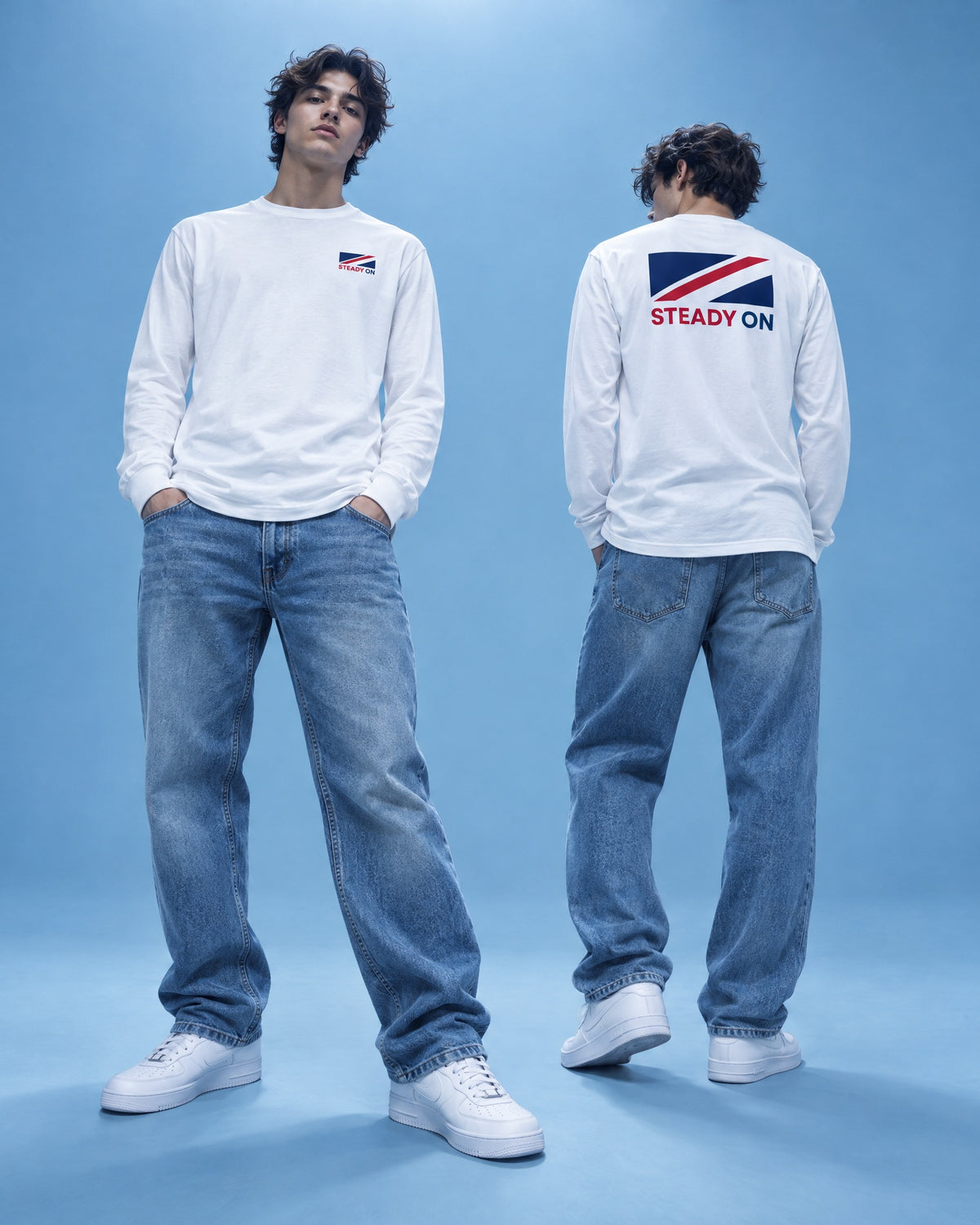
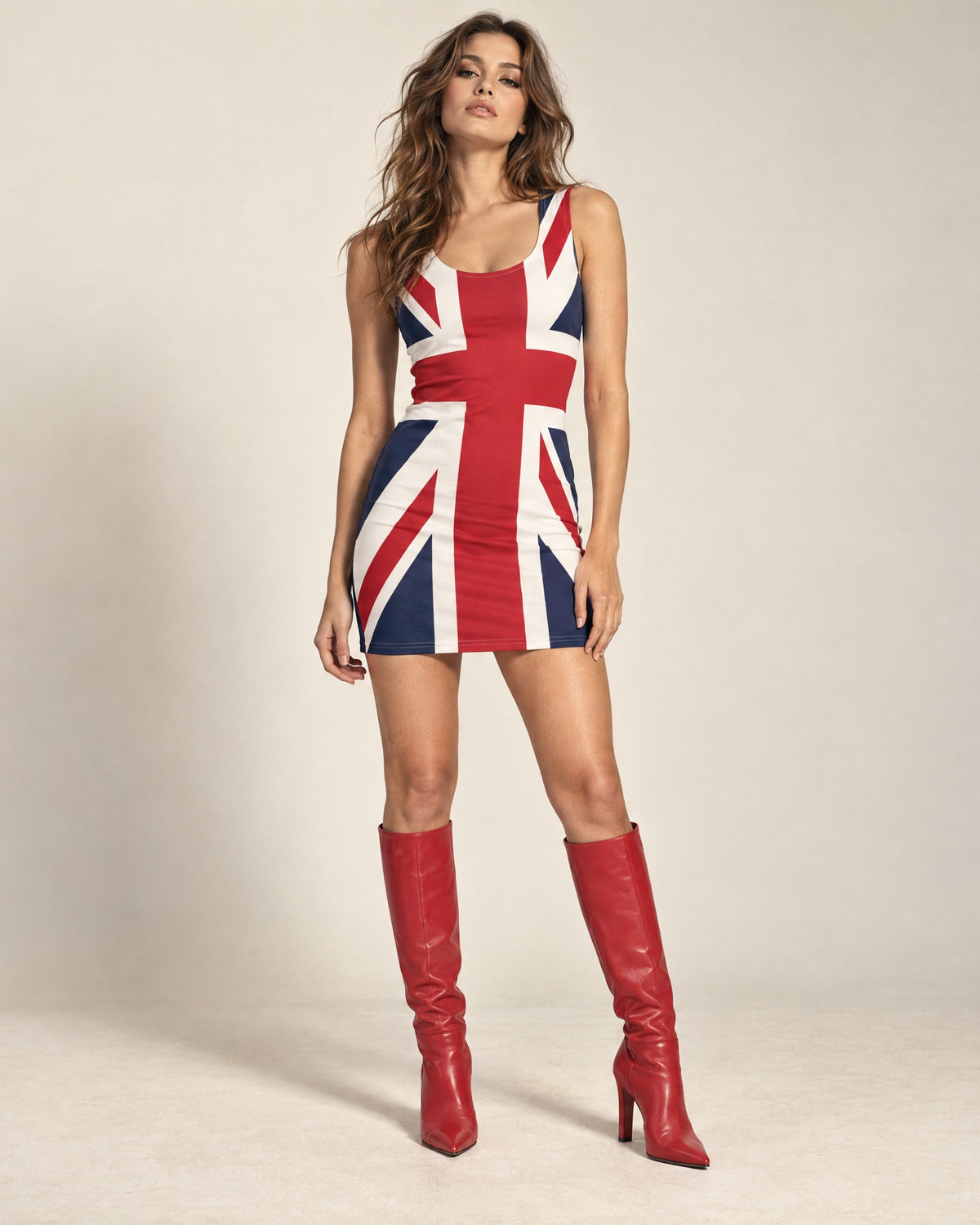
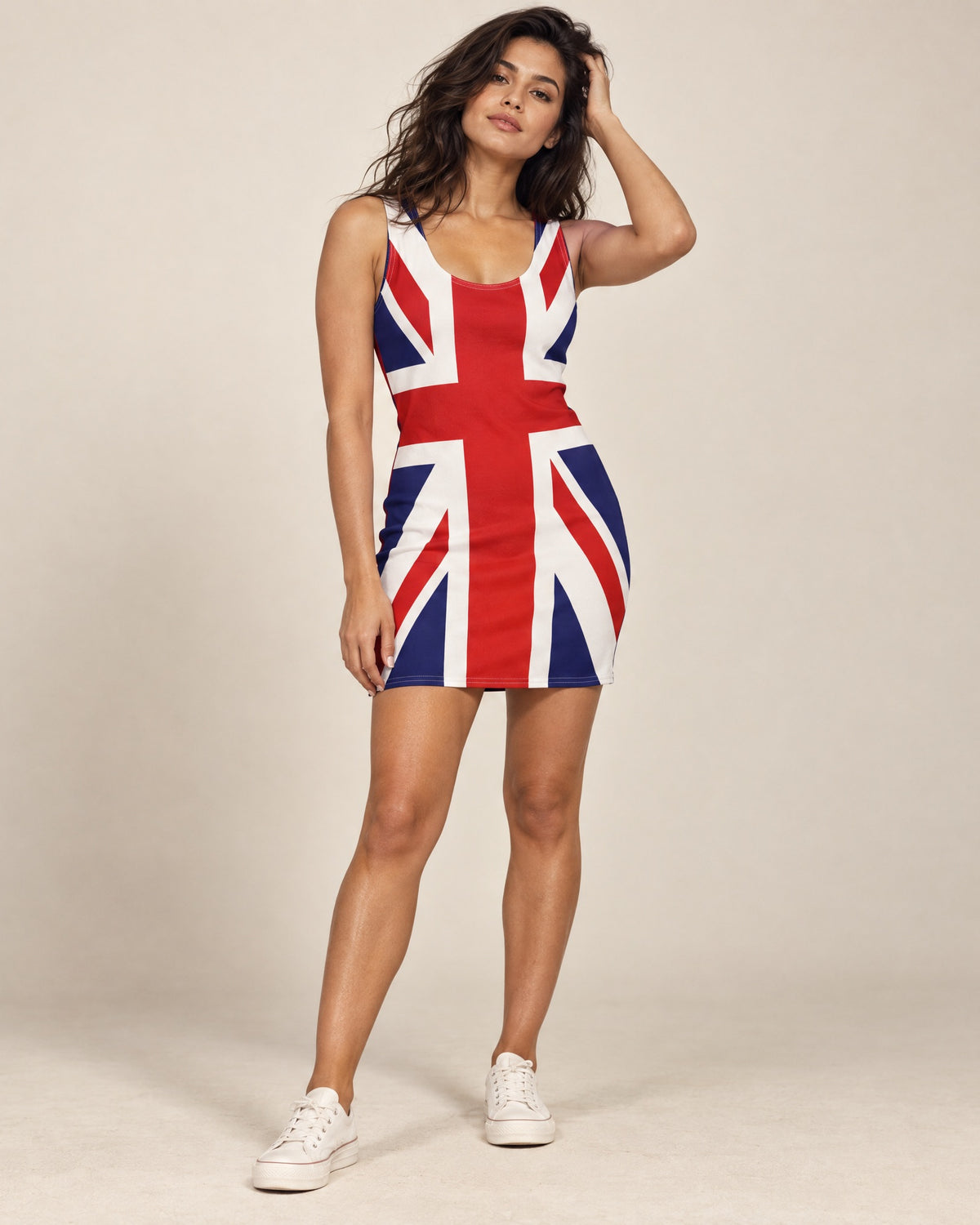
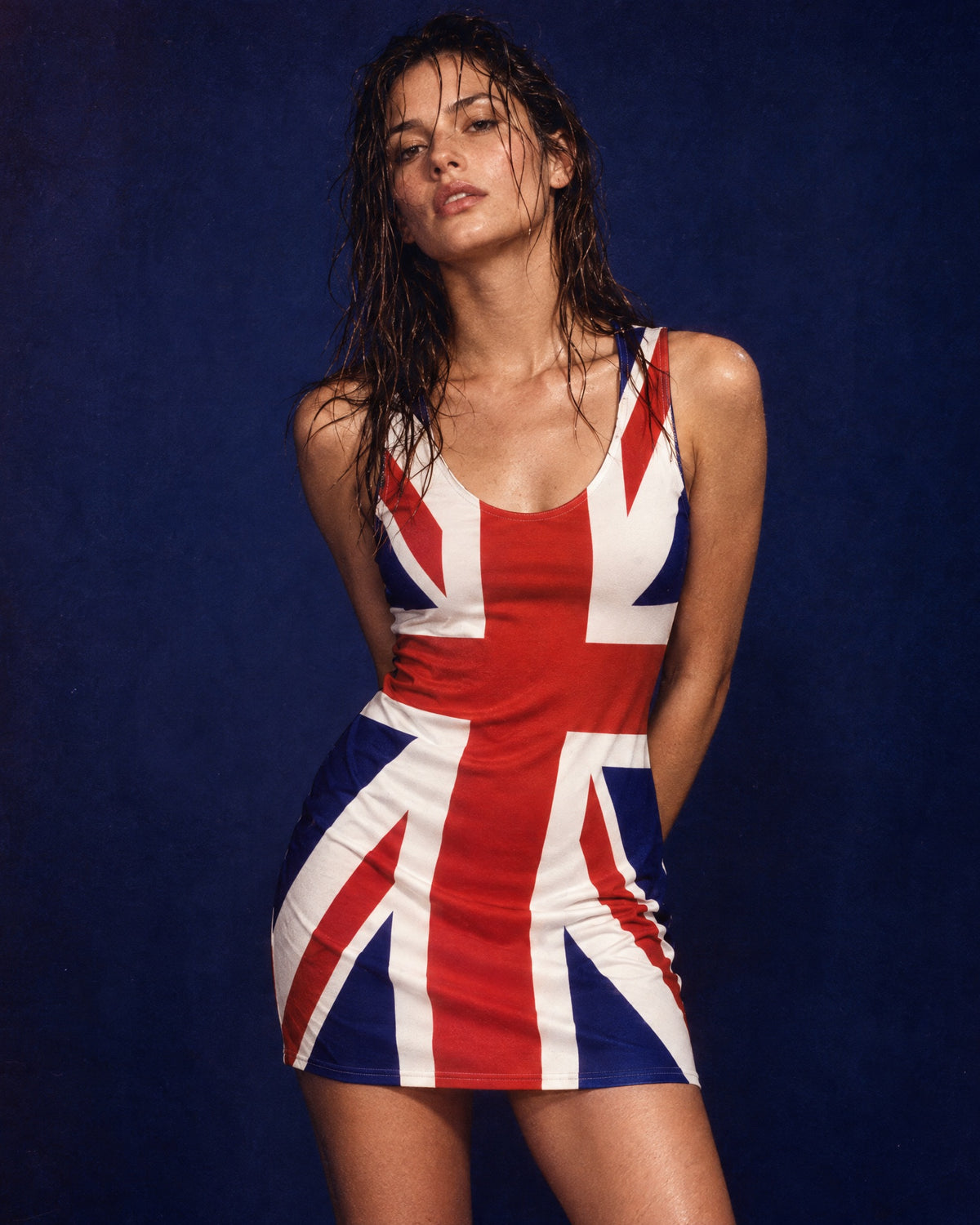
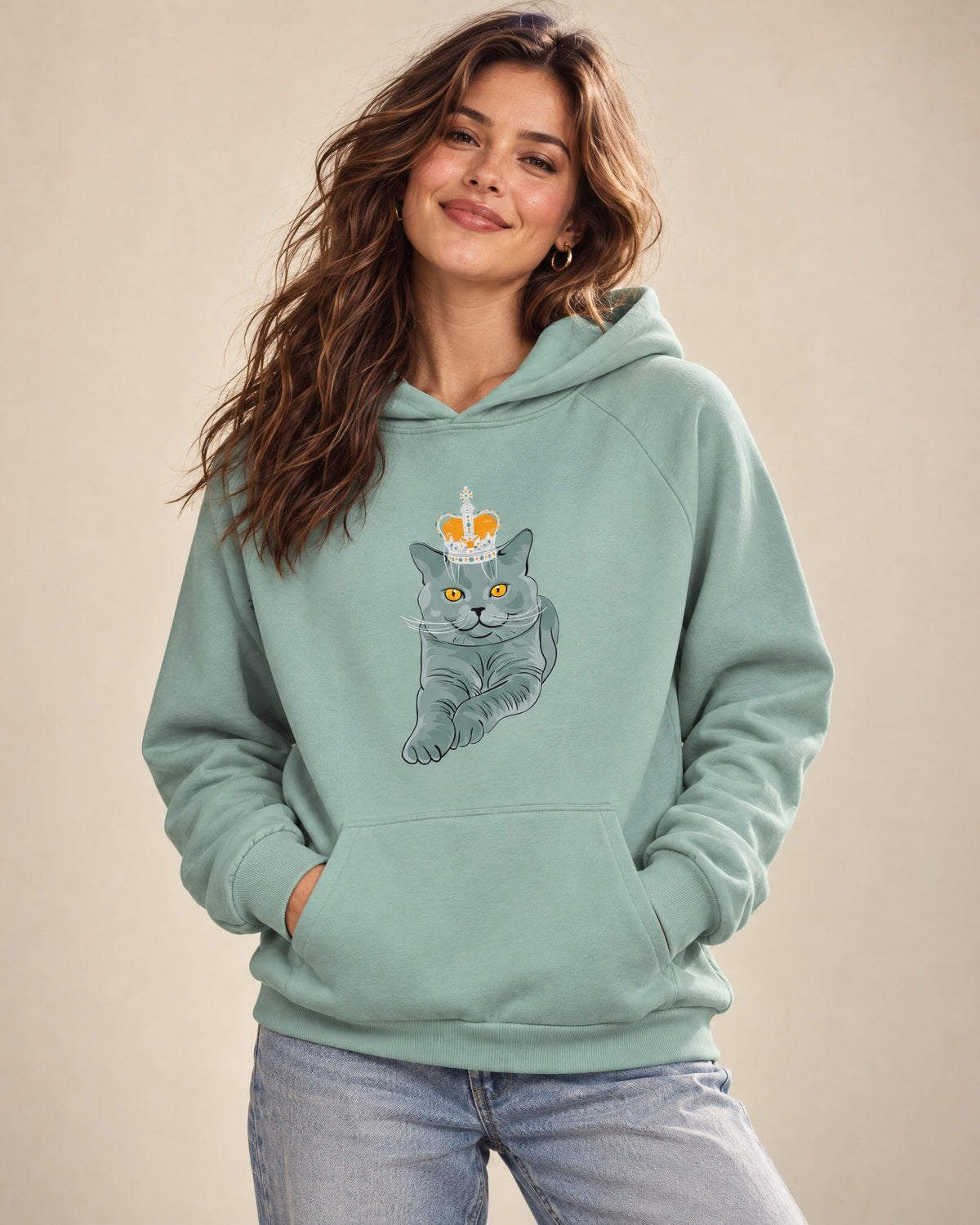
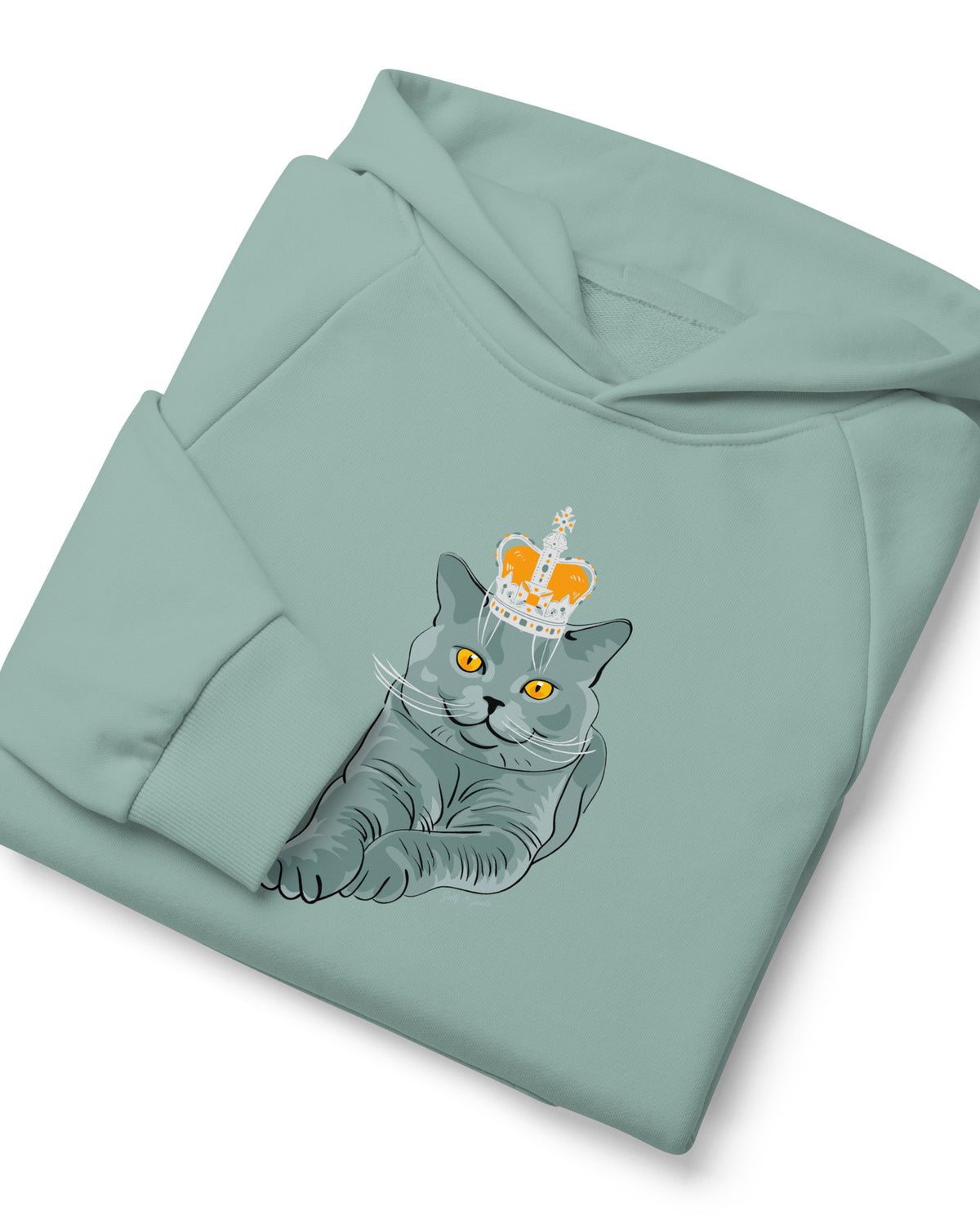
At Jolly & Goode, we've always believed that British style is best when it doesn't take itself too seriously. It's in the wit, the wink, the willingness to be a little ridiculous and entirely unapologetic about it. Cheeky, in other words, isn't just a word — it's an attitude.
So the next time you treat yourself to something you probably didn't need, flash that grin and own it. That's the British way.