Someone has just announced that they could run a marathon without training. Or called a perfectly decent biscuit ‘life-changing’. Or helped themselves to the last three roast potatoes.
From somewhere nearby comes a small, unmistakably British intervention: ‘Steady on.’
Two words. No shouting. Just a gentle suggestion that things may be getting a little out of hand.
What does ‘steady on’ mean?
In everyday British English, steady on usually means ‘take it easy’, ‘calm down’, or ‘don't go too far’. It can be a mild warning, an objection, or an affectionate way of bringing someone back down to earth.
The precise meaning depends on the situation. If a friend makes an extravagant claim, it can mean ‘let's not get carried away’. If someone says something unfair, it can mean ‘that's a bit much’. If they're rushing or getting overexcited, it can mean ‘slow down’.
The words are small; the raised eyebrow does quite a lot of the work.
Where does the expression come from?
The useful starting point is the ordinary meaning of steady: stable, controlled, and not liable to wobble. As an instruction, ‘steady!’ asks someone to keep control or proceed carefully. ‘Steady on!’ carries that same idea into conversation, where it is often enthusiasm, temper, or language that needs steadying rather than a physical object.
That explains the expression's underlying image, not a documented moment of invention. It is safest not to attach it to a particular ship's captain, military regiment, or famous speaker without historical evidence. There is no such origin claim being made here.
It is also worth distinguishing steady on from steady as she goes. The latter evokes maintaining a course; the former is usually a response to what someone is doing or saying. Similar imagery does not, by itself, prove that one expression came from the other.
How Brits use ‘steady on’
When someone is getting carried away
‘I've been jogging twice this week. I reckon I'm ready for the London Marathon.’
‘Steady on. Let's manage the stairs first.’
Here it is a playful reality check, not an attempt to crush anyone's ambitions.
When a remark goes too far
‘That was the worst dinner anyone has ever cooked.’
‘Steady on. The potatoes were rather good.’
In this setting it pushes back against an unfair or excessive judgement. A firmer tone makes the objection more serious.
When someone needs to slow down
‘Steady on, you'll spill the tea.’
This is closer to a practical warning: take care, move less hastily, and preferably leave the carpet out of it.
When praise becomes wonderfully excessive
‘This sandwich has changed my entire outlook on life.’
‘Steady on. It's cheese and pickle.’
A classic use: gently puncturing grand language without entirely spoiling the fun.
Is ‘steady on’ rude?
Not inherently, but tone and familiarity matter. Between friends, said with a smile, it can be affectionate. Said sharply, it becomes a reprimand. Said to someone who is genuinely upset, it may sound dismissive rather than reassuring.
For learners of British English, the safest place to try it is in light-hearted conversation with people you know. If someone needs sympathy, give them sympathy, not an instruction to be less emotional.
‘Steady on’ versus ‘carry on’
They may rhyme, but they do different jobs. Carry on generally tells someone to continue. Steady on asks them to moderate what they're doing or saying.
Steady on is also different from go steady, which can refer to being in a regular romantic relationship. English does enjoy making two little words work overtime.
Why it feels so British
The appeal is its restraint. Instead of delivering a speech about why someone is being unreasonable, you offer a modest verbal nudge. It fits neatly into a style of humour that favours understatement, gentle teasing, and an impressive amount of meaning packed into very little fuss.
That does not mean every Brit says it, or that it can only be used in Britain. It is simply an expression strongly associated with British conversational English, and one that rewards a well-timed pause.
A little restraint, a little mischief
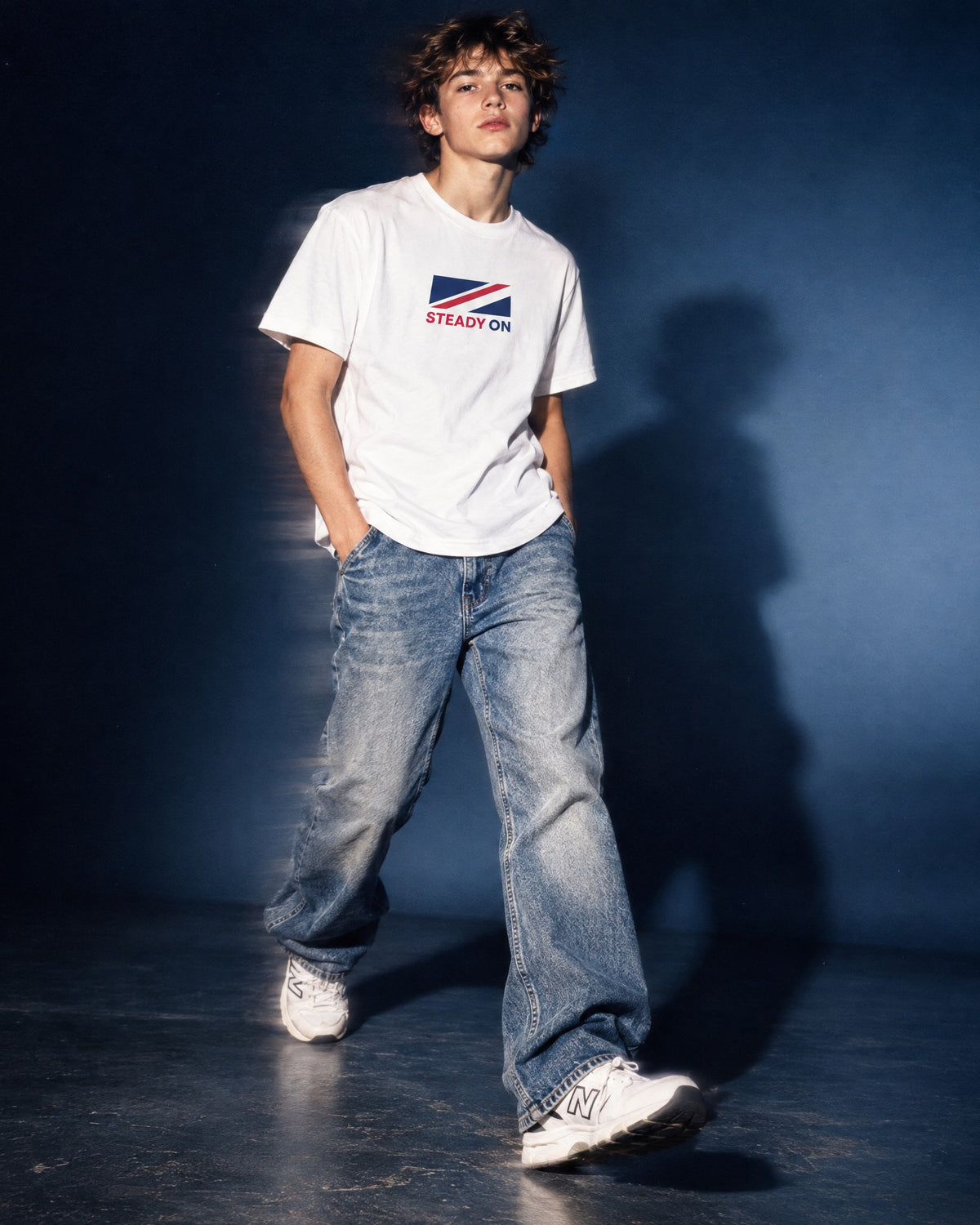
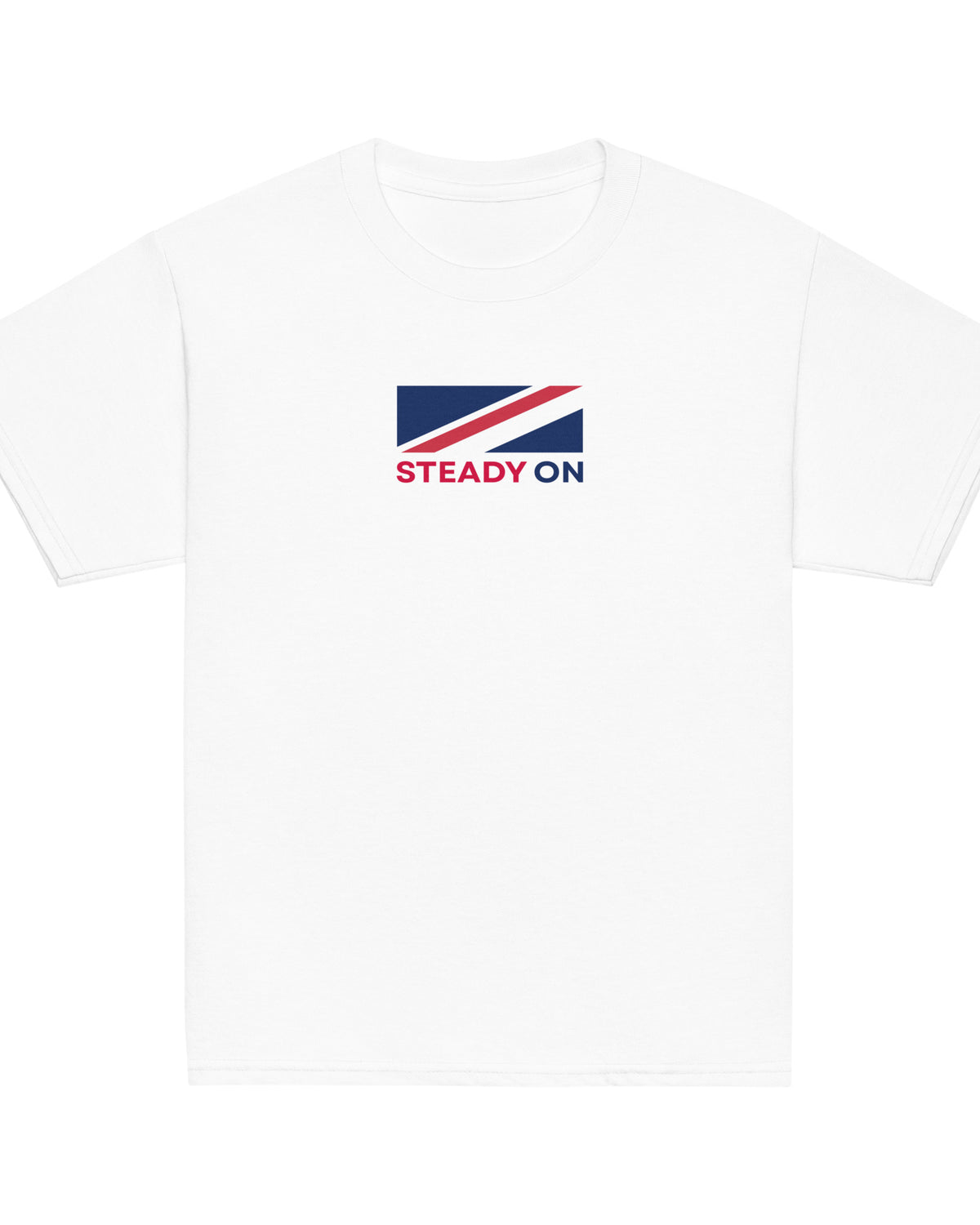
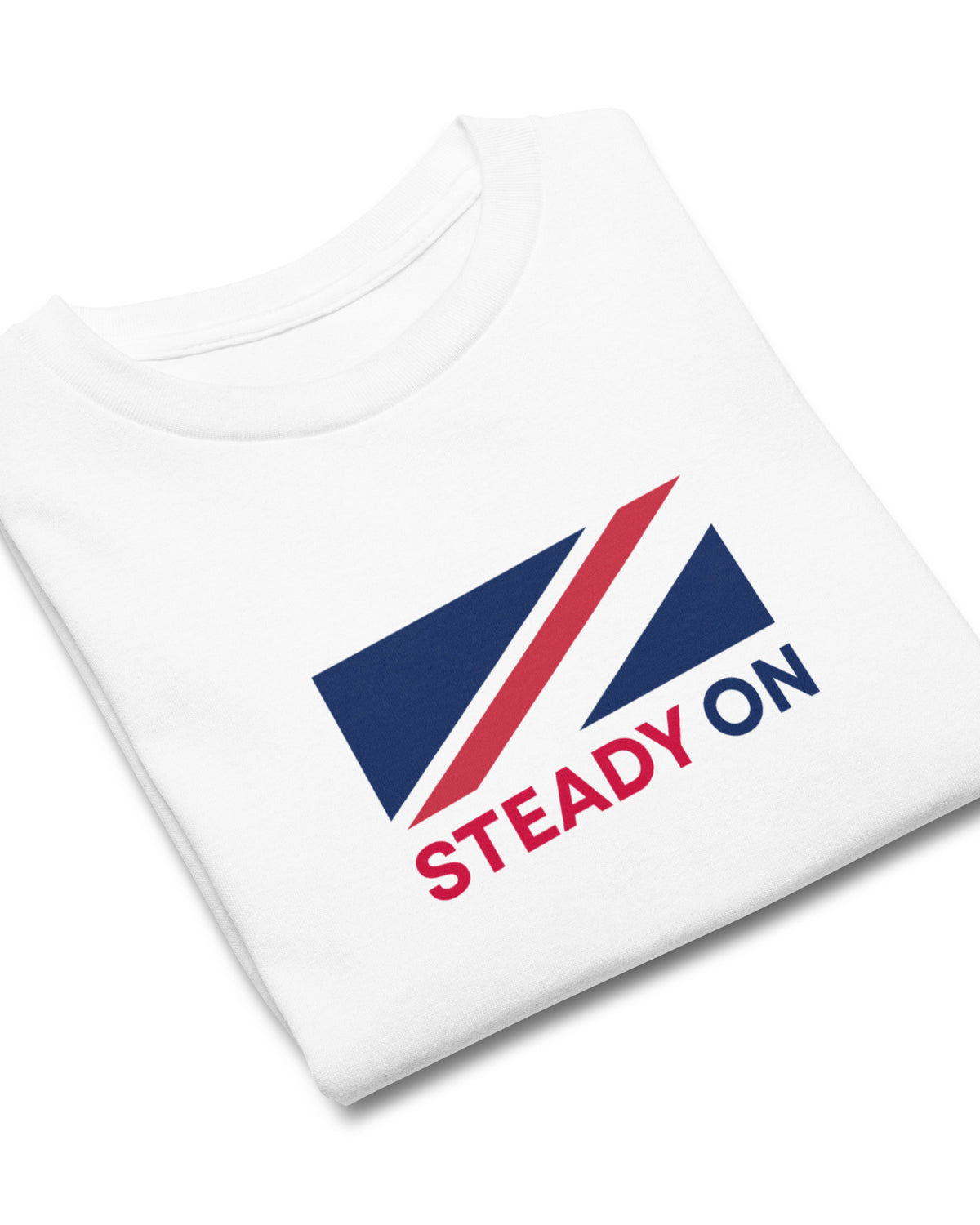
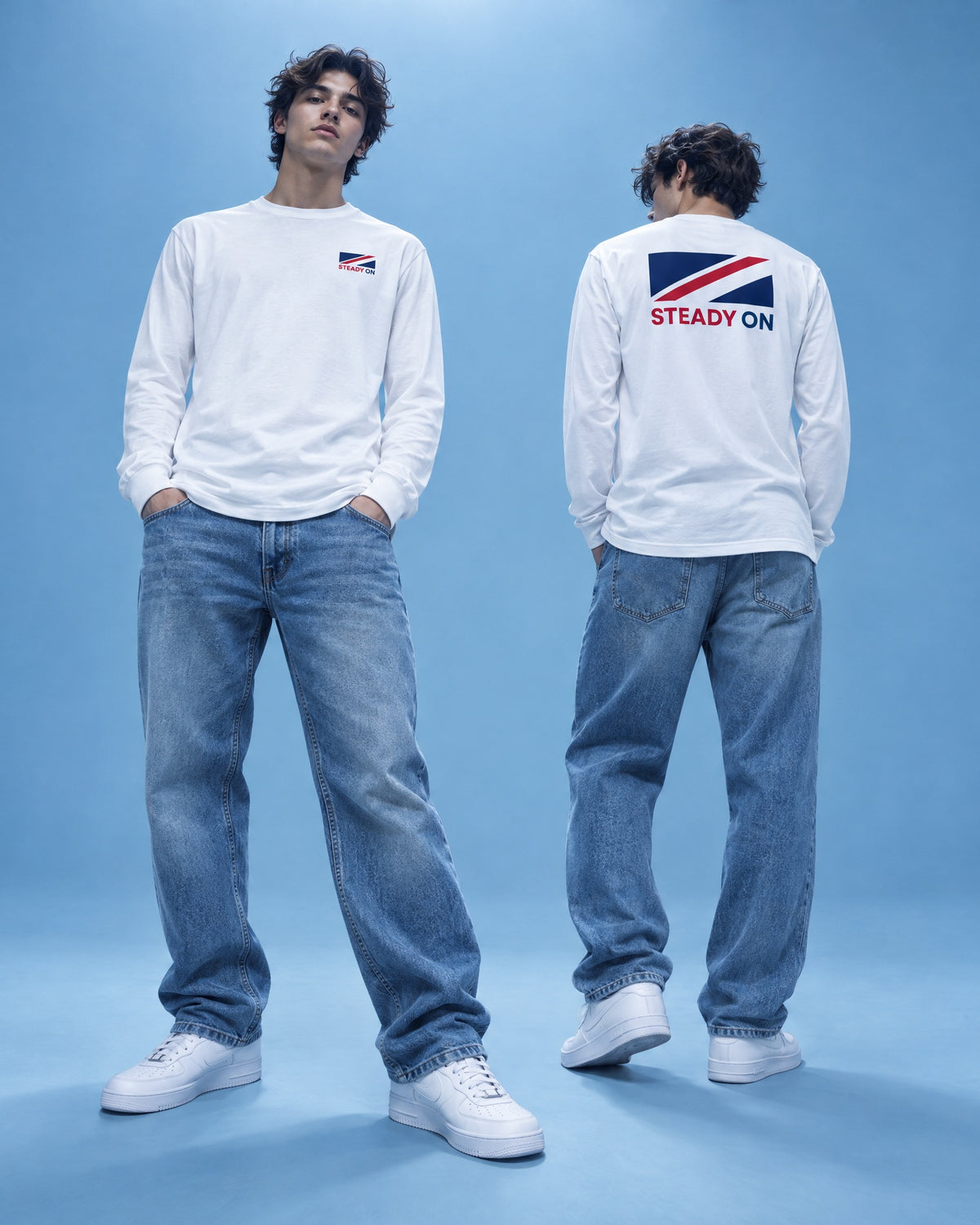
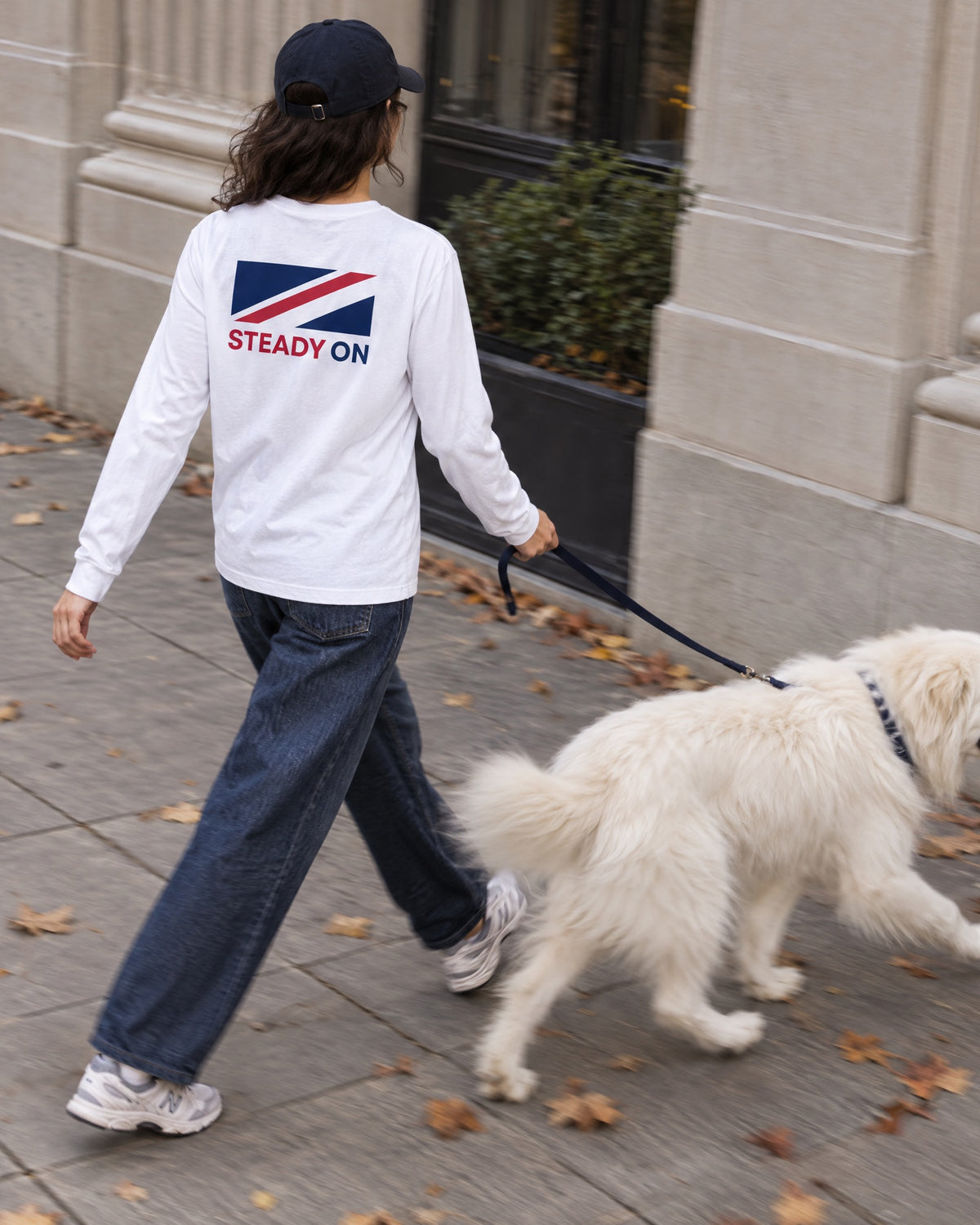
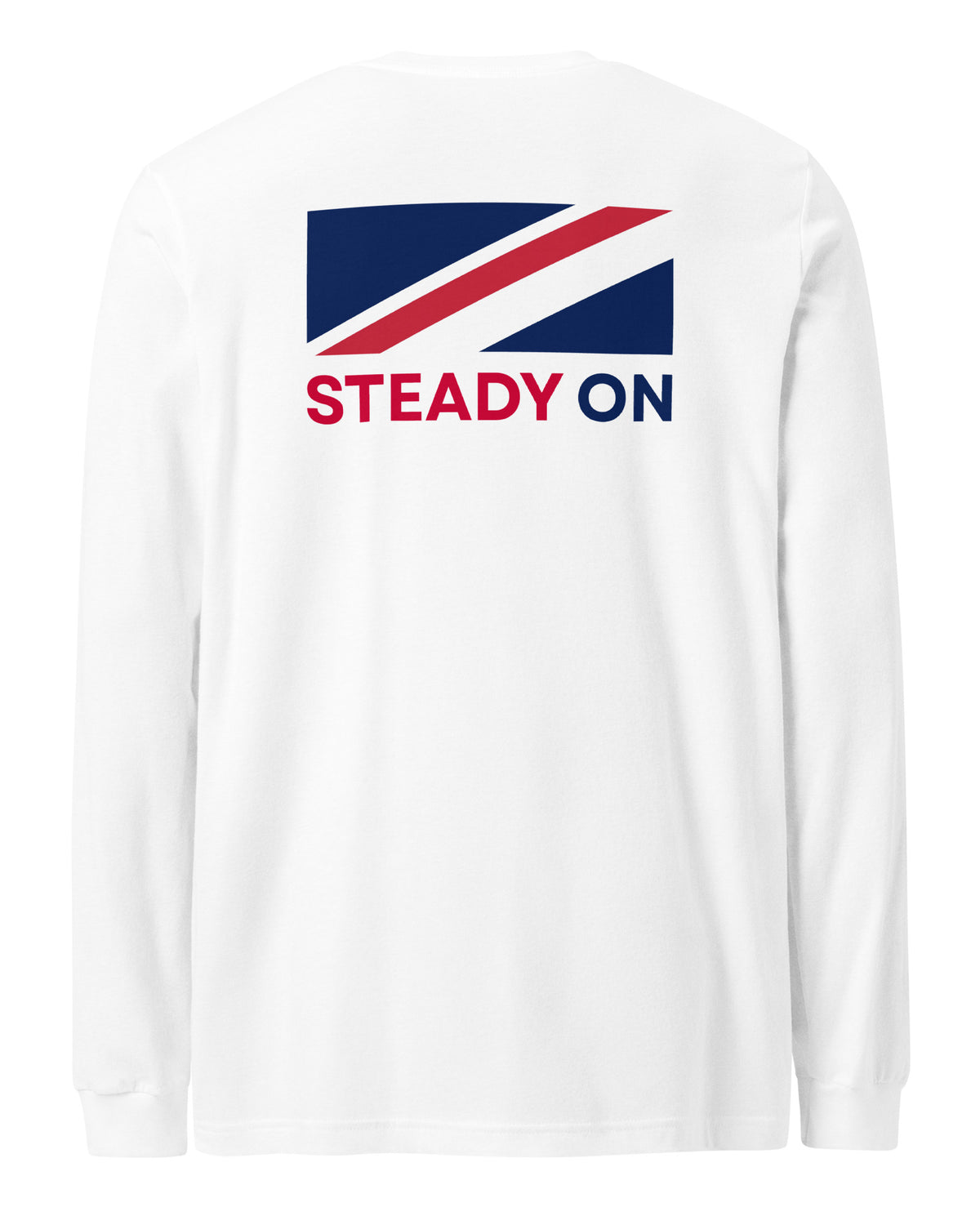
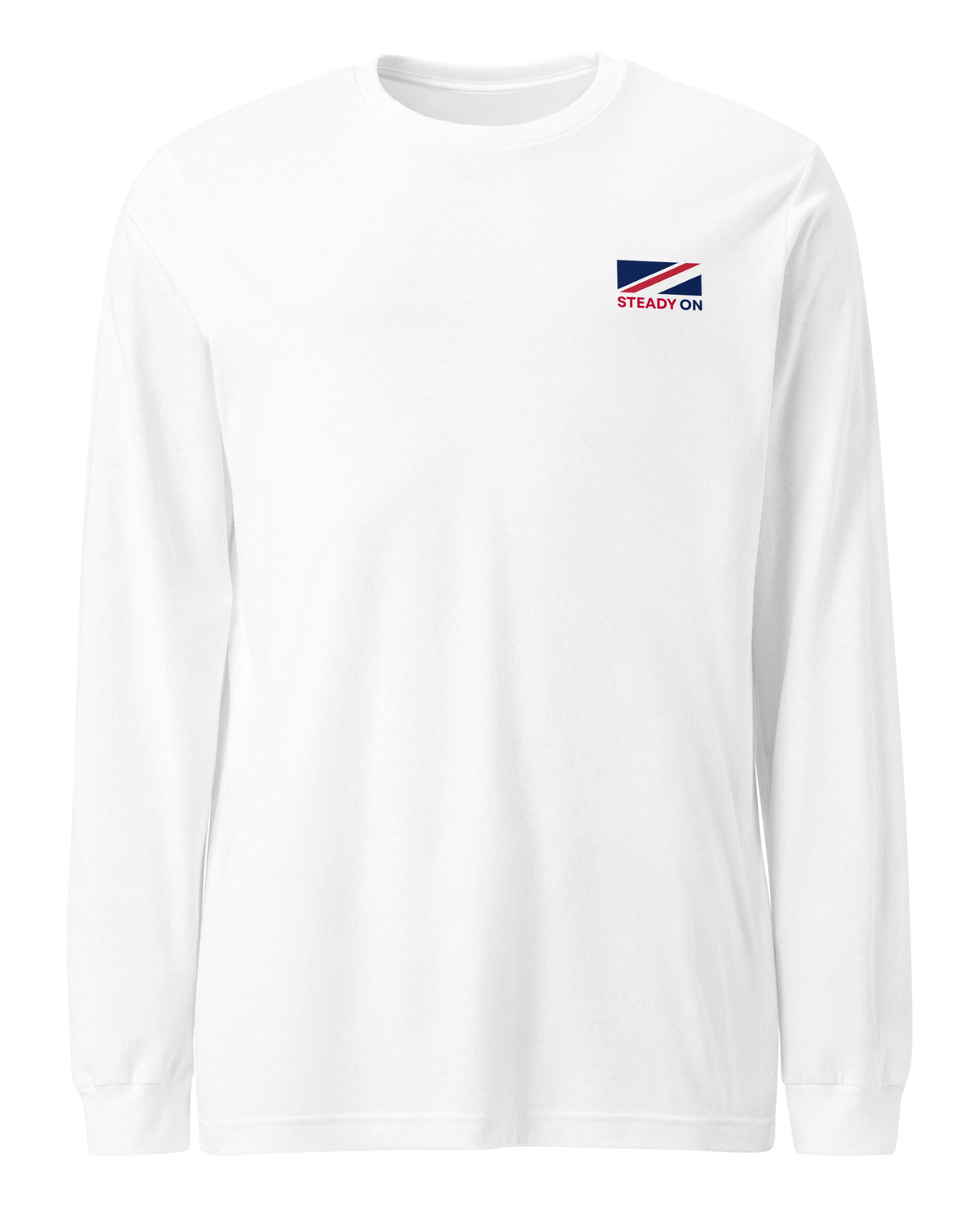
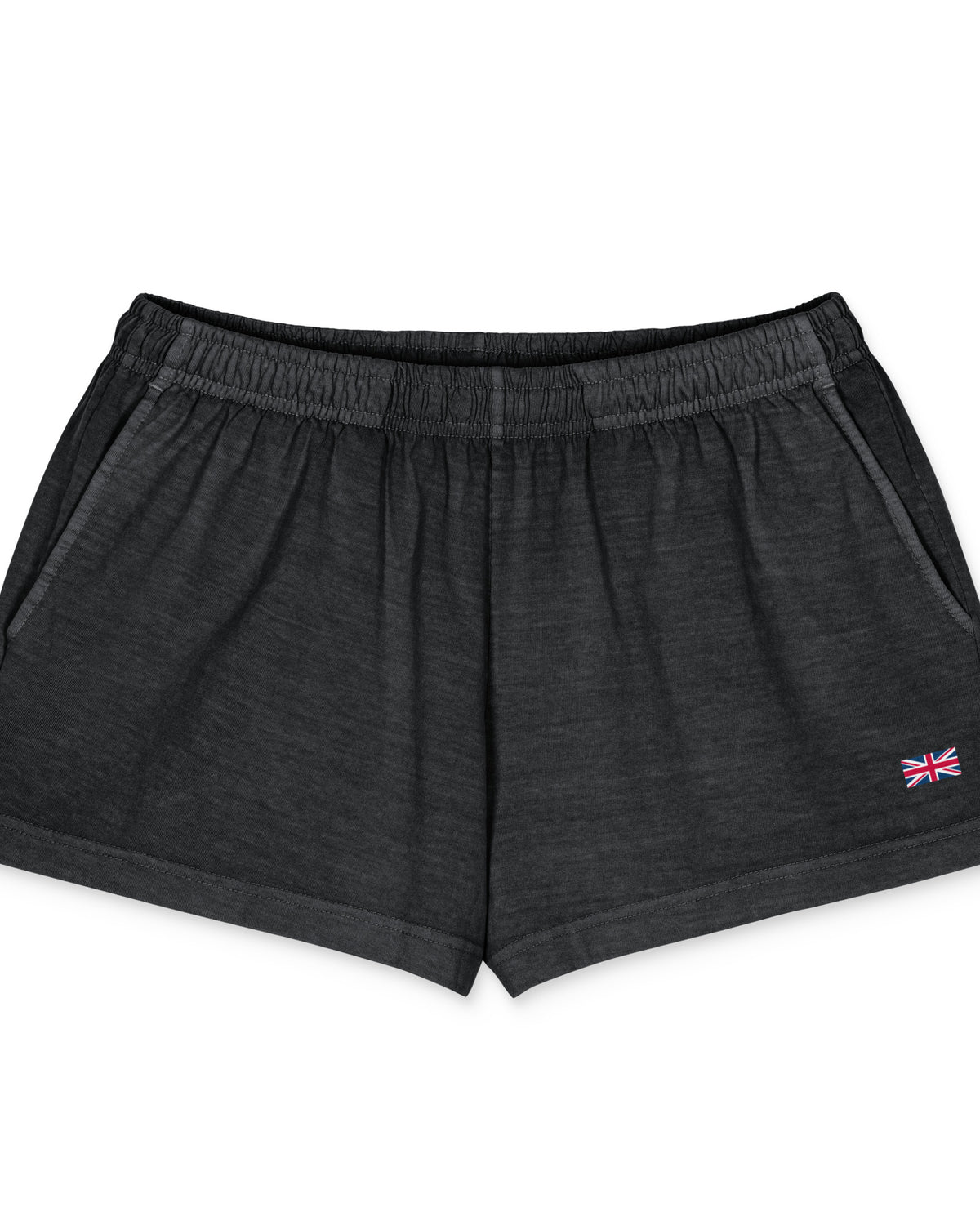
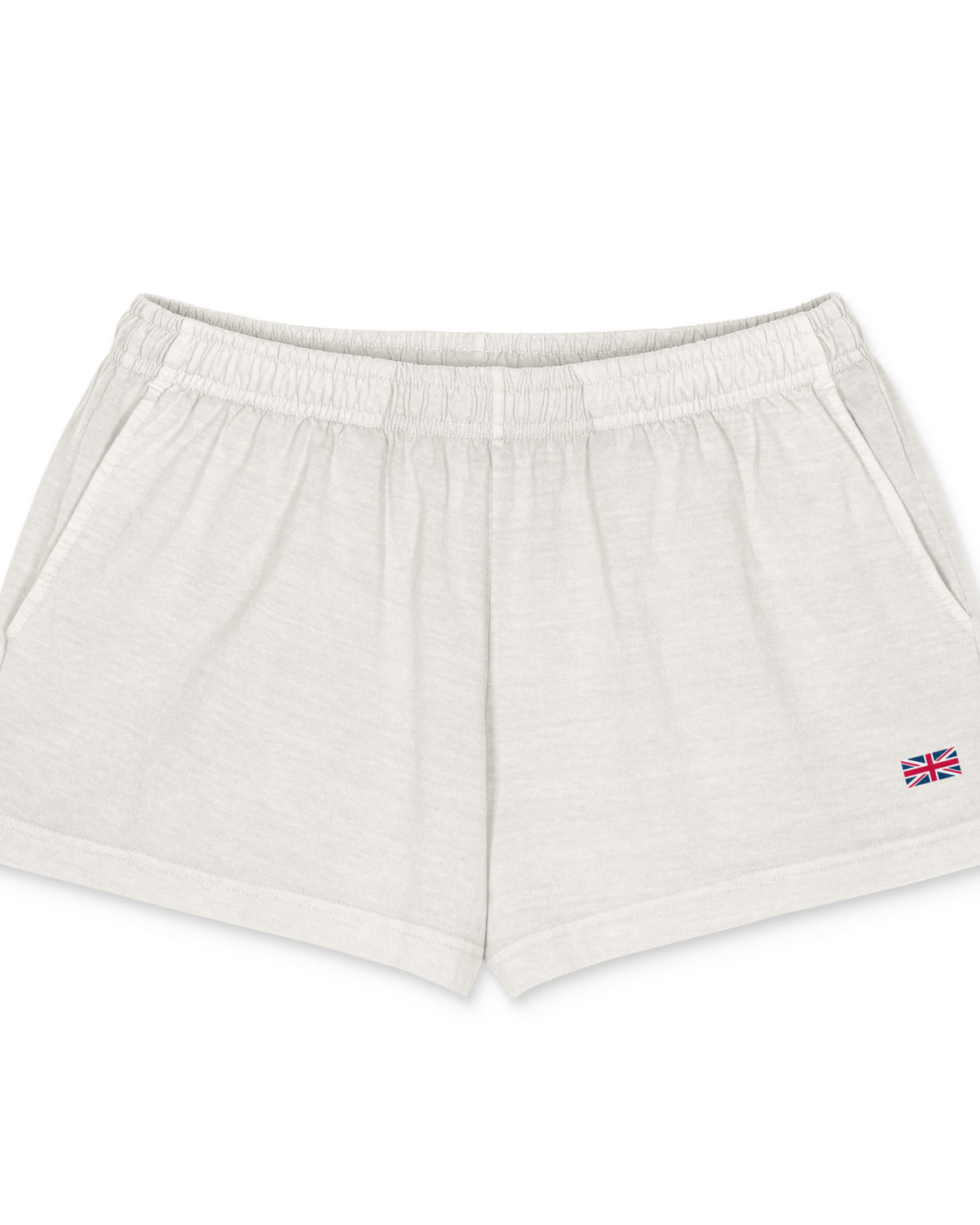
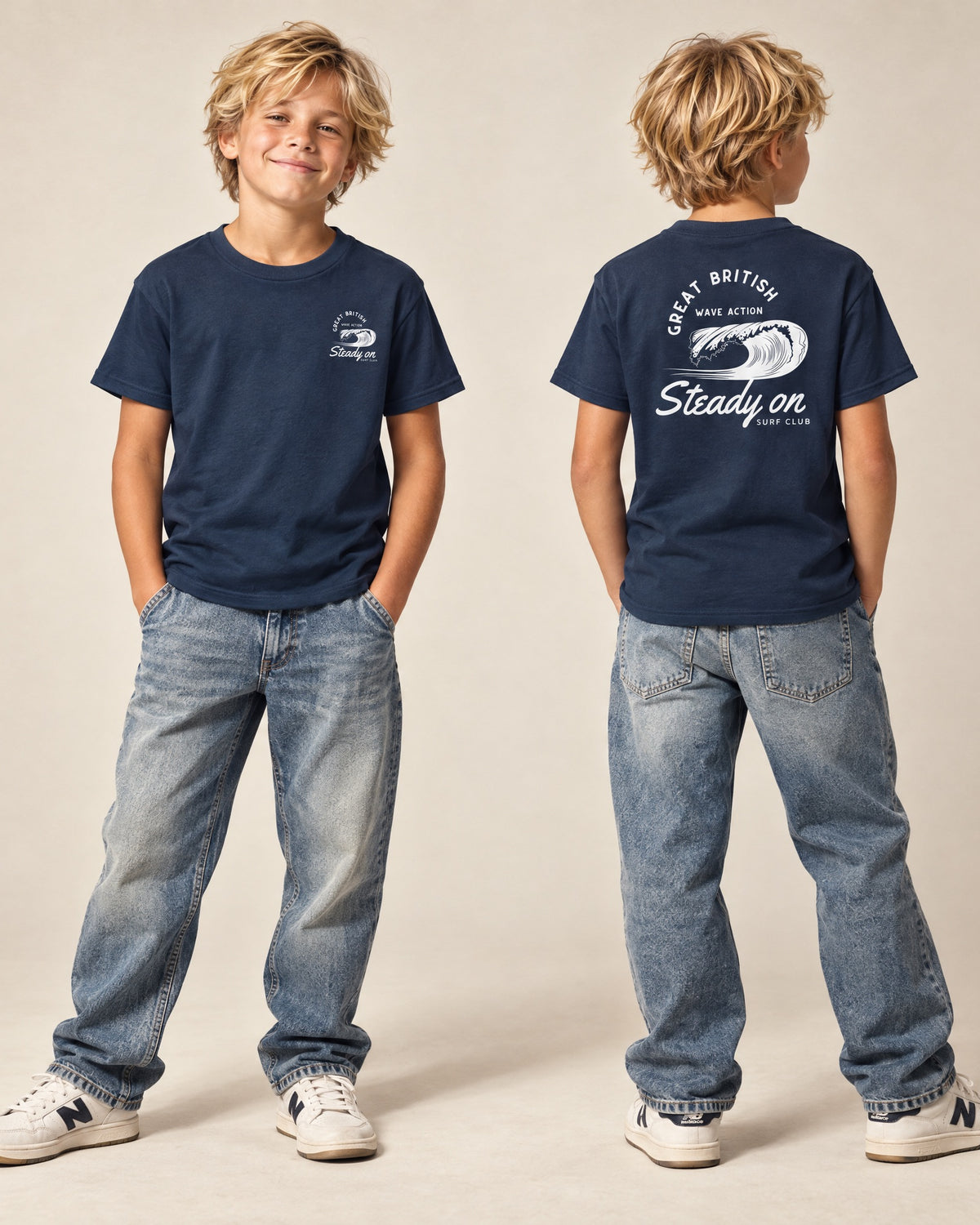
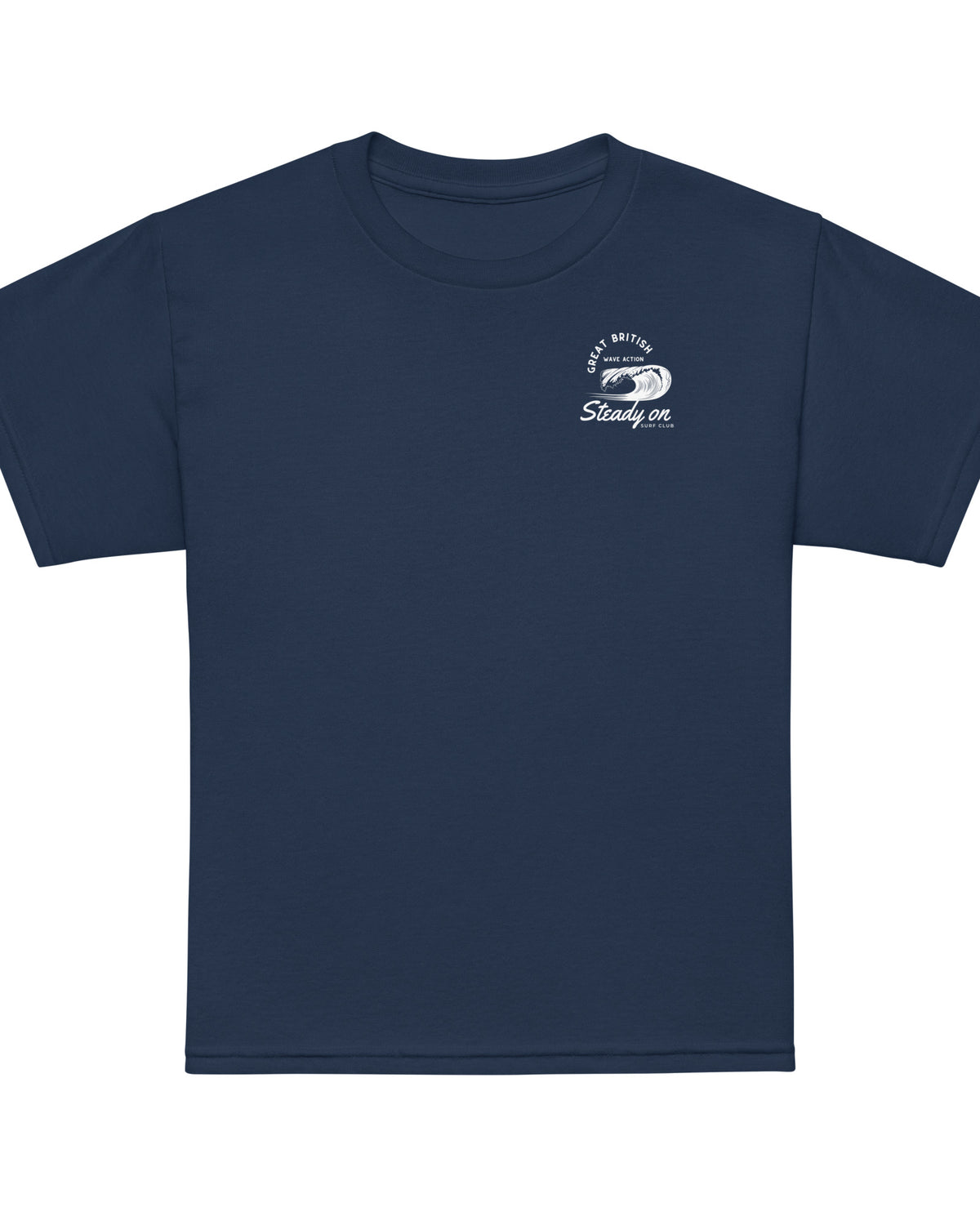
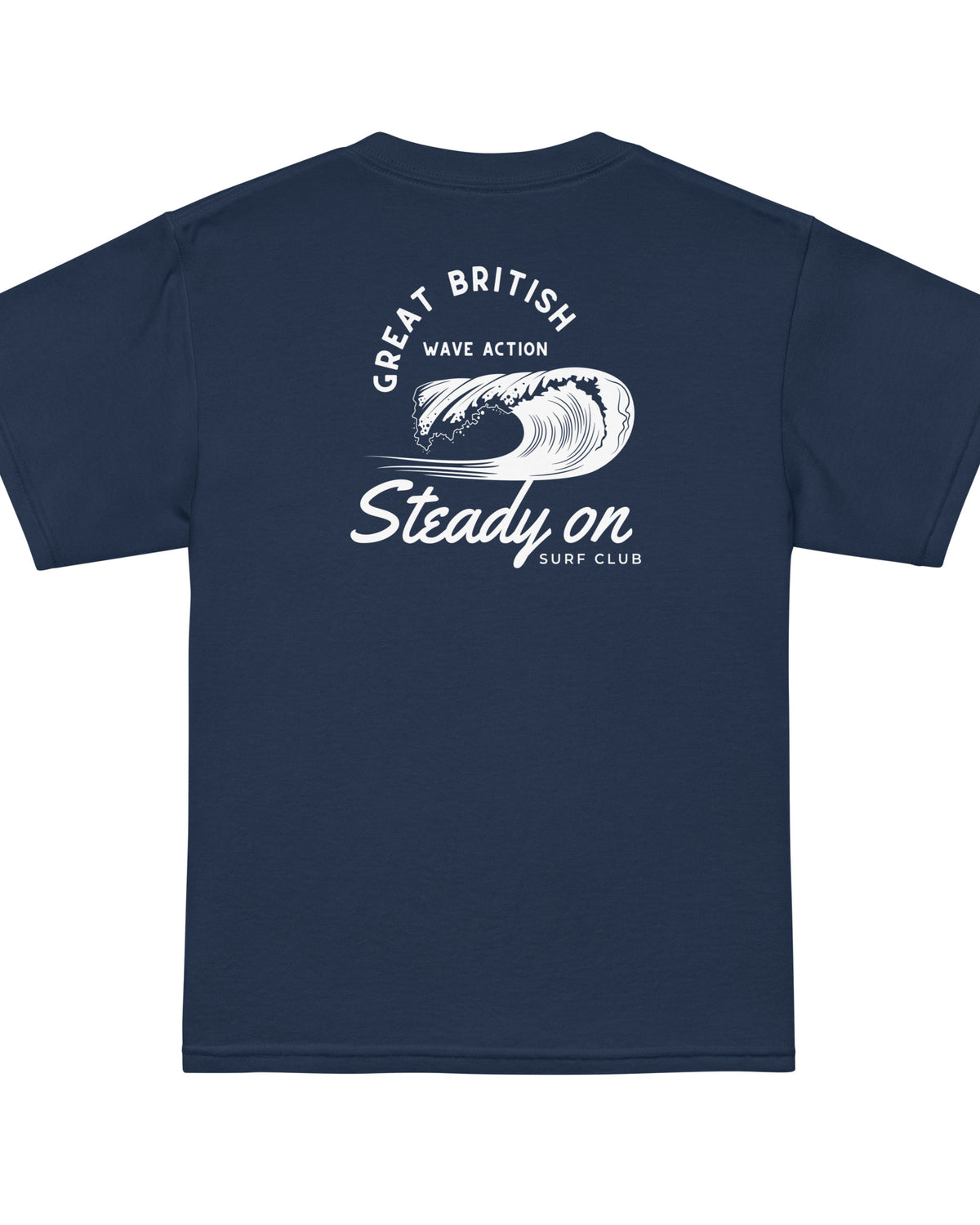
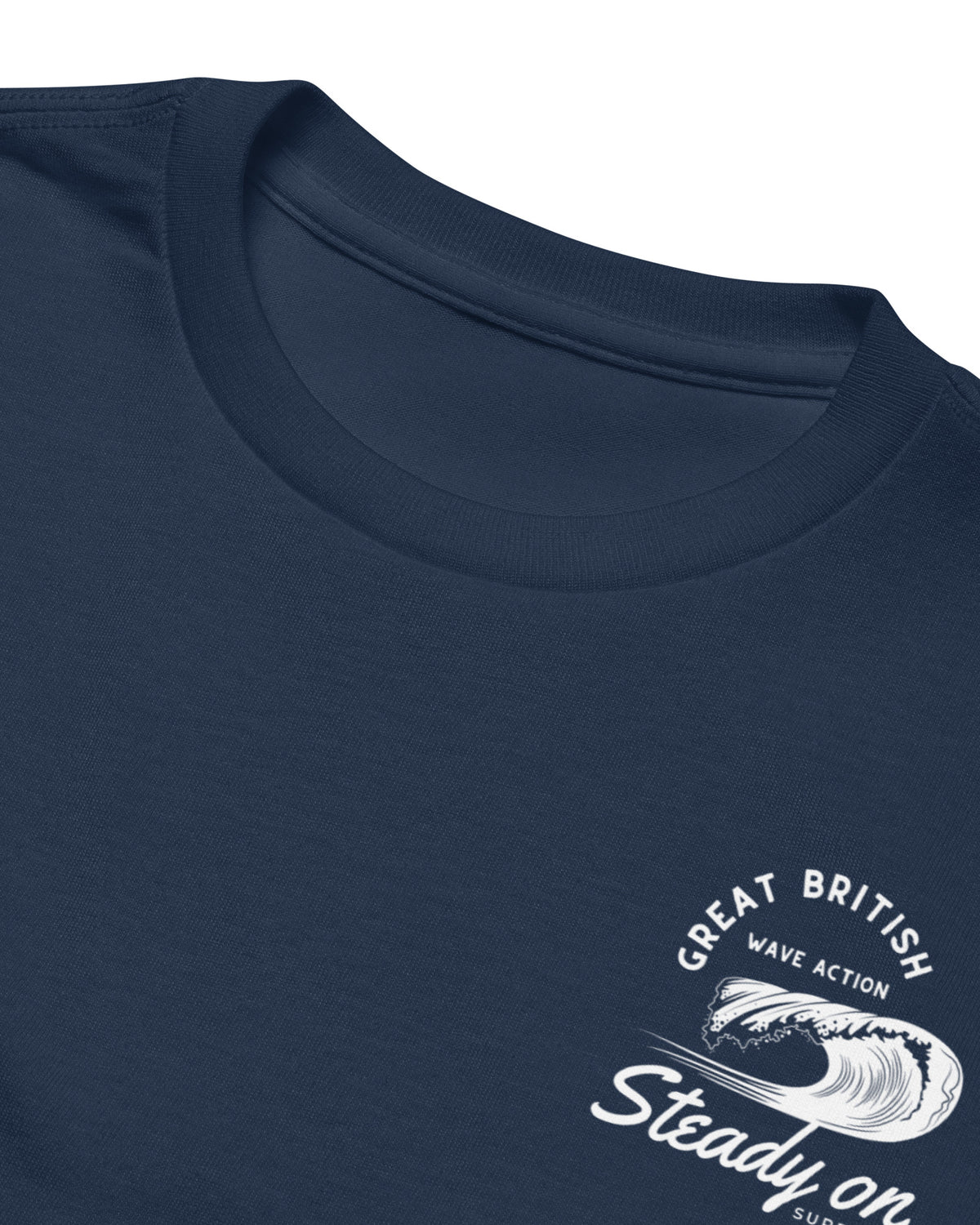
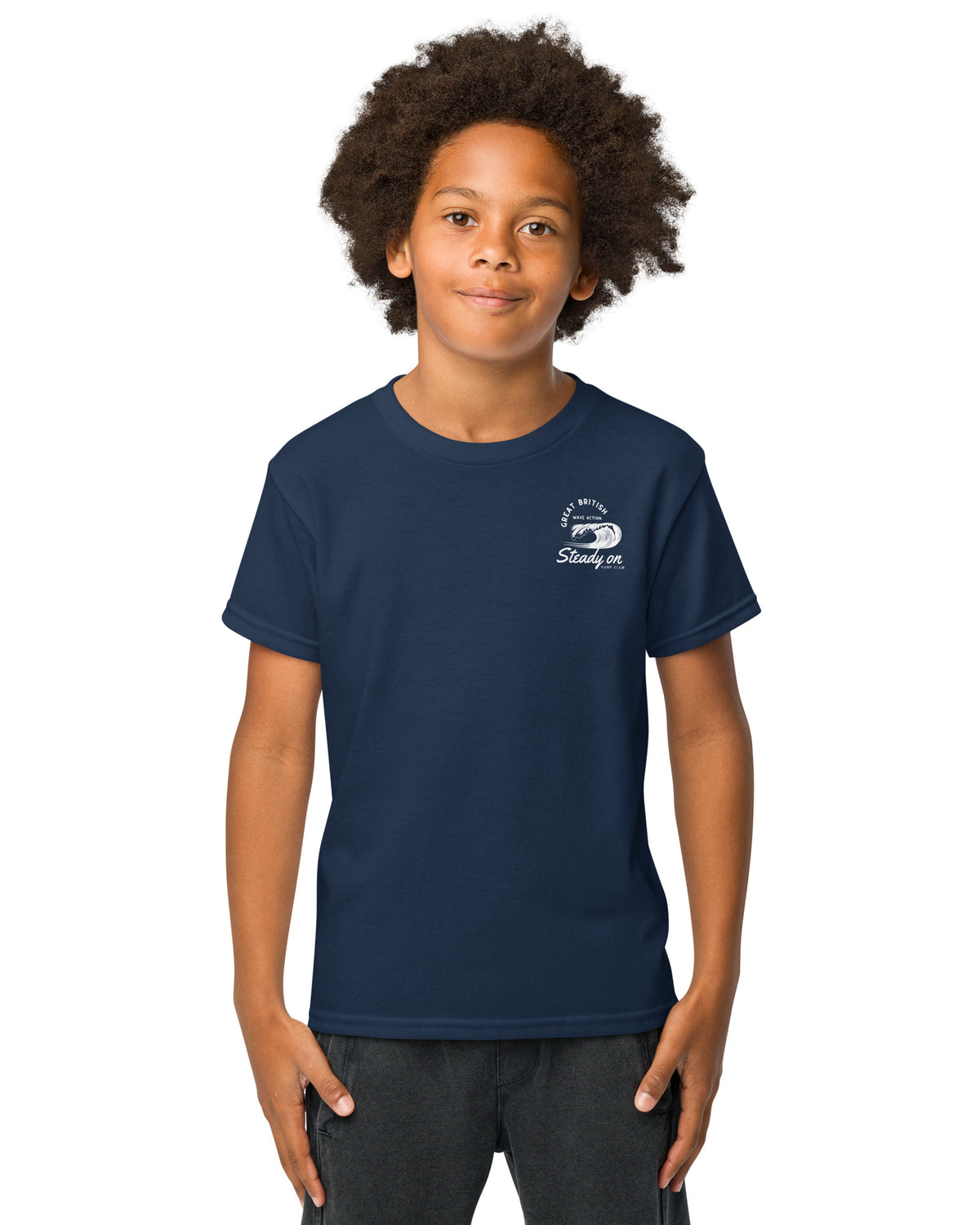
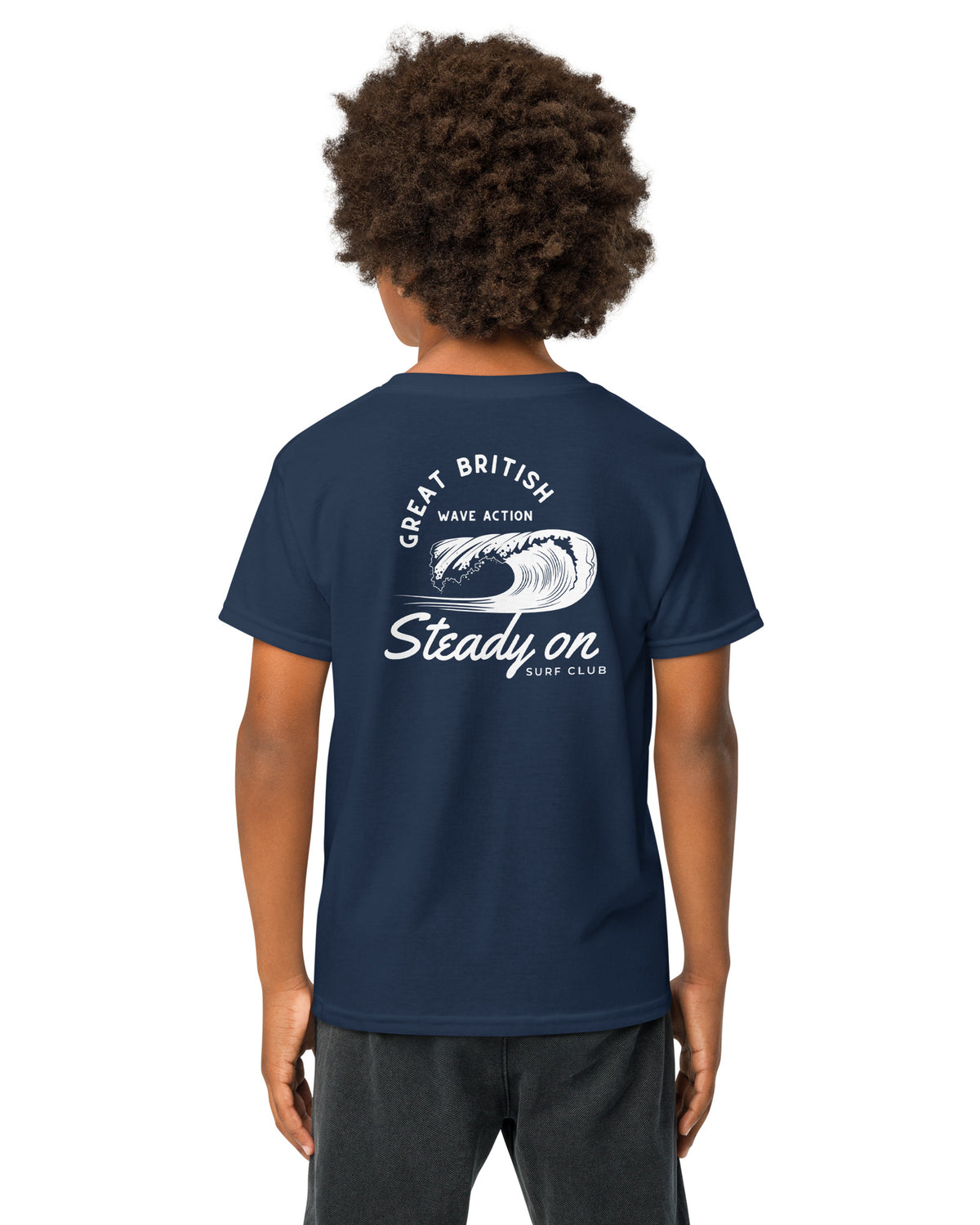
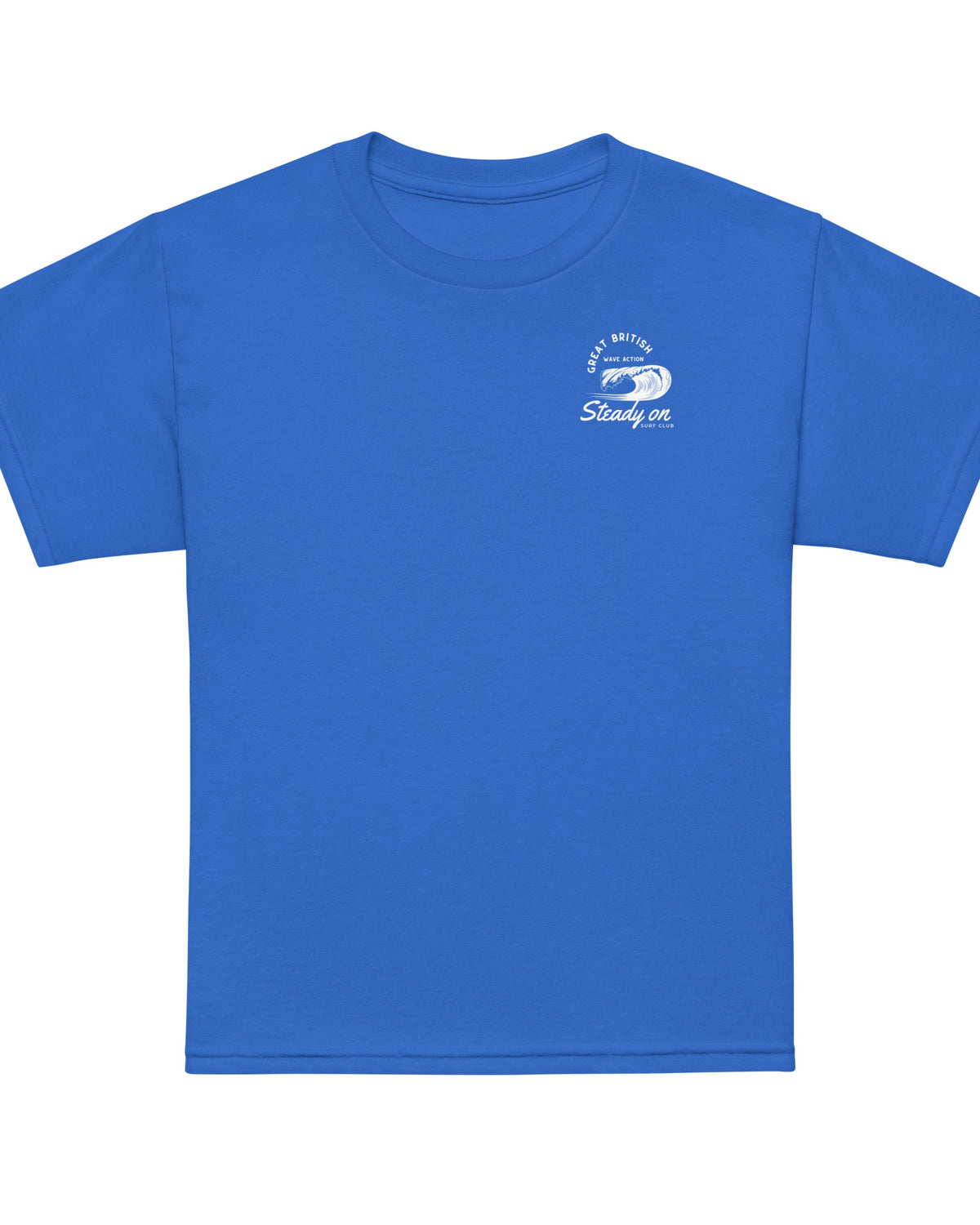
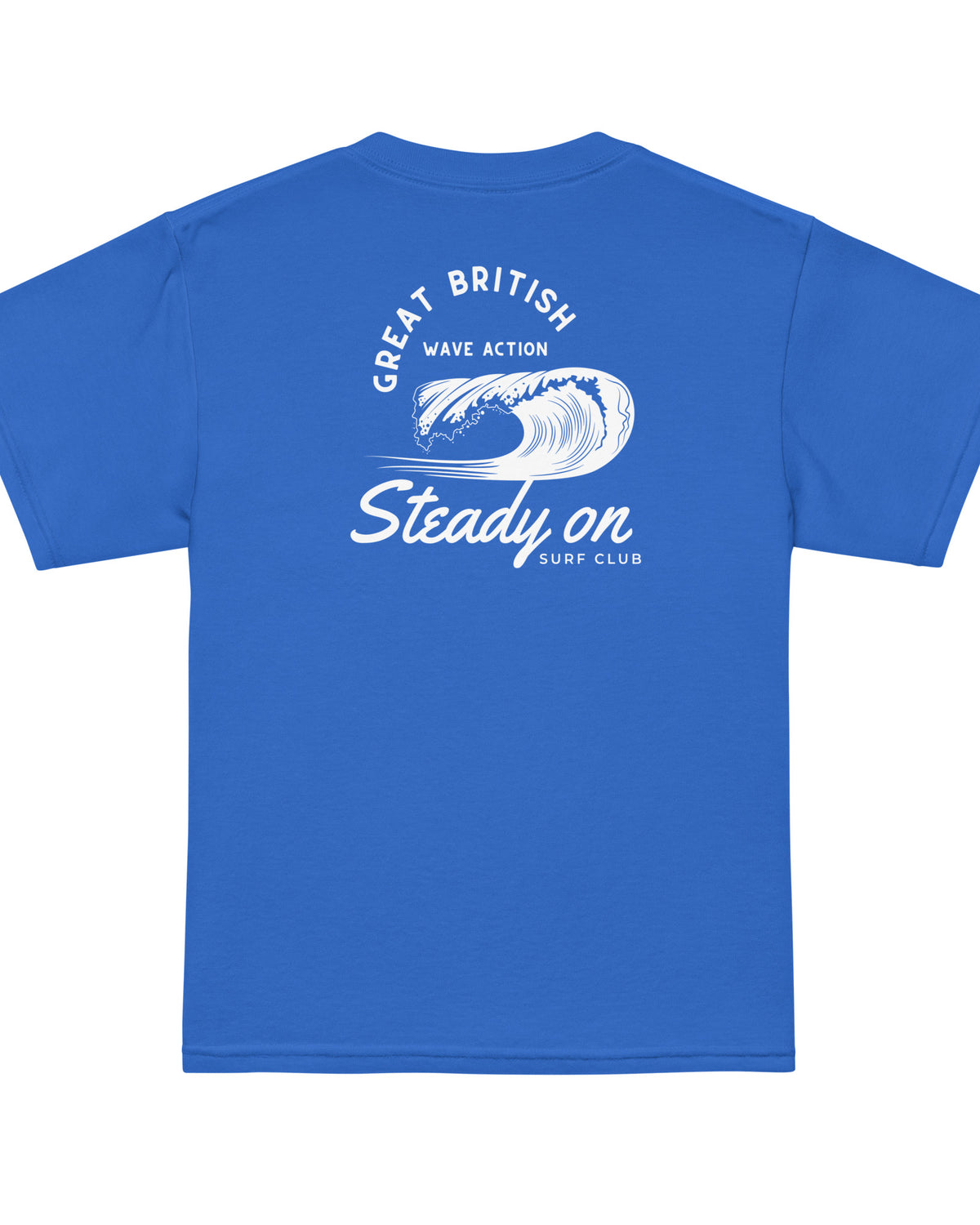
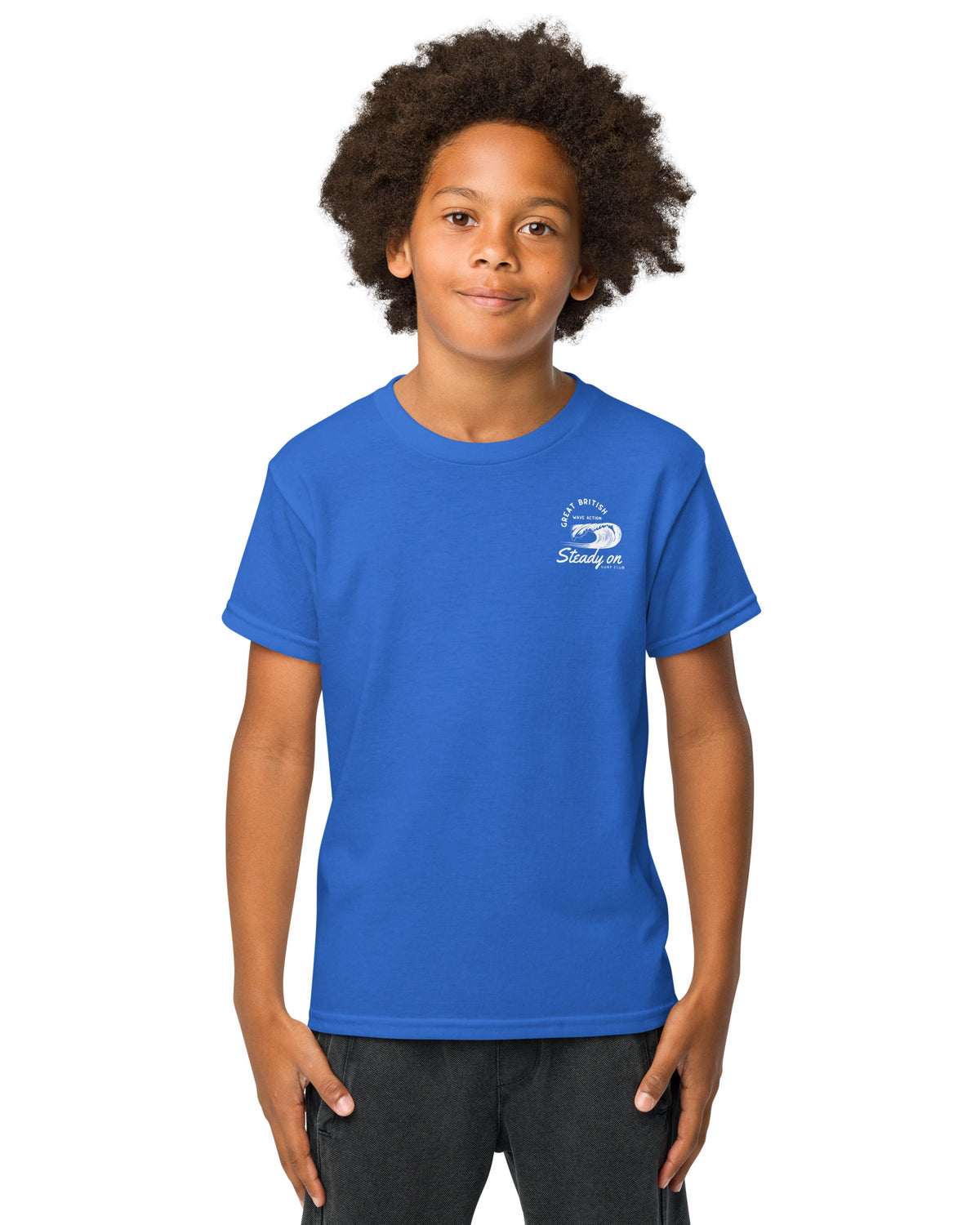
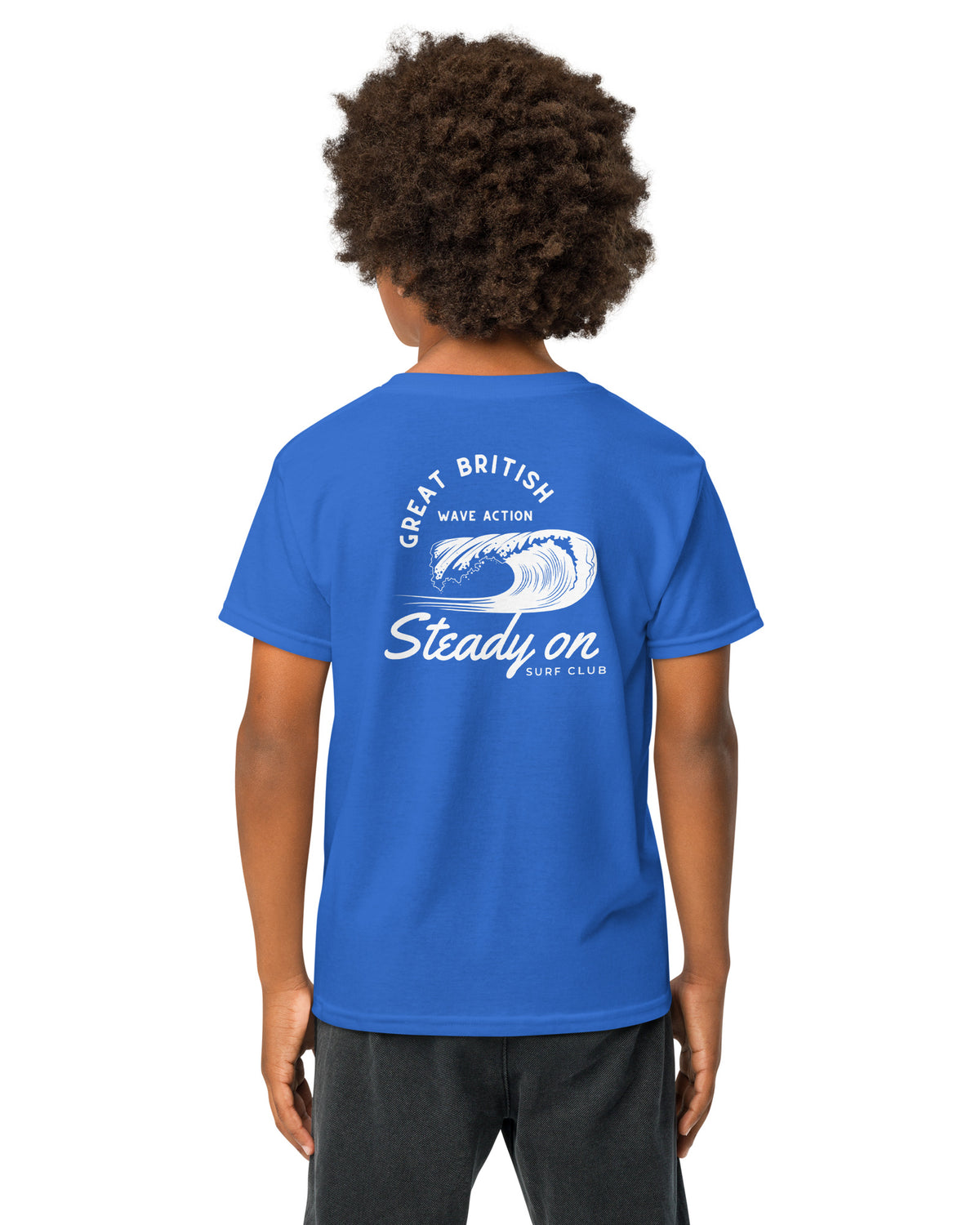
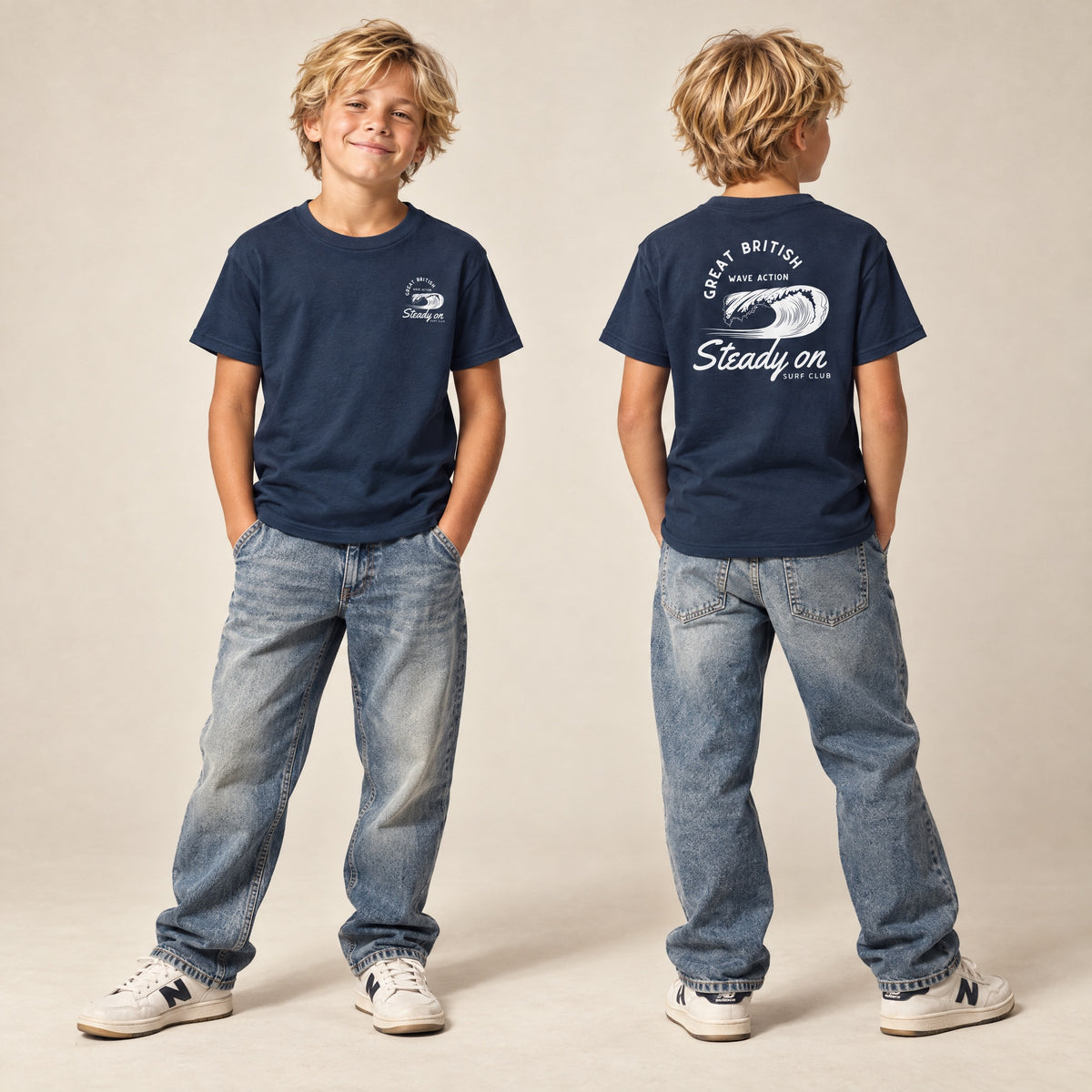
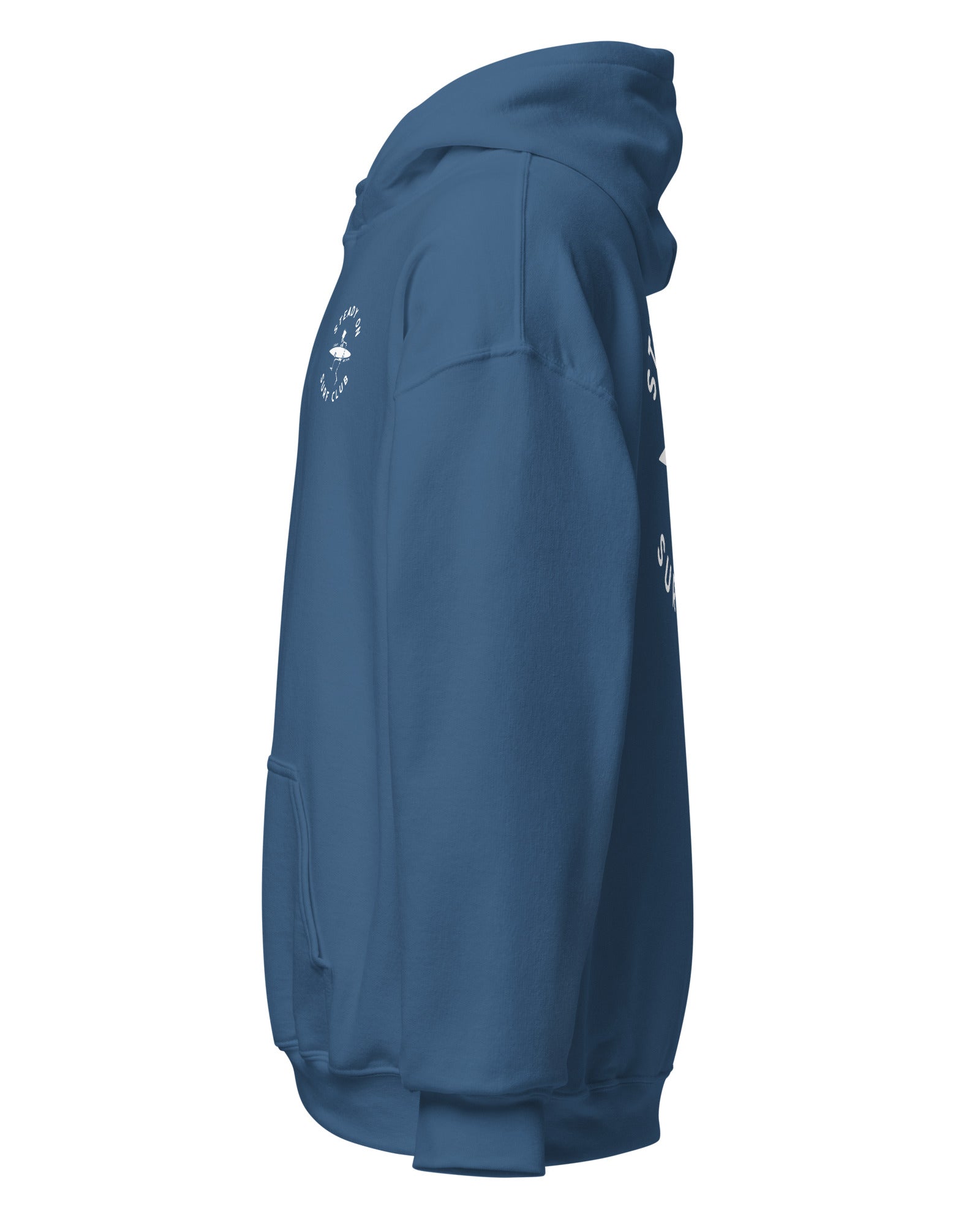
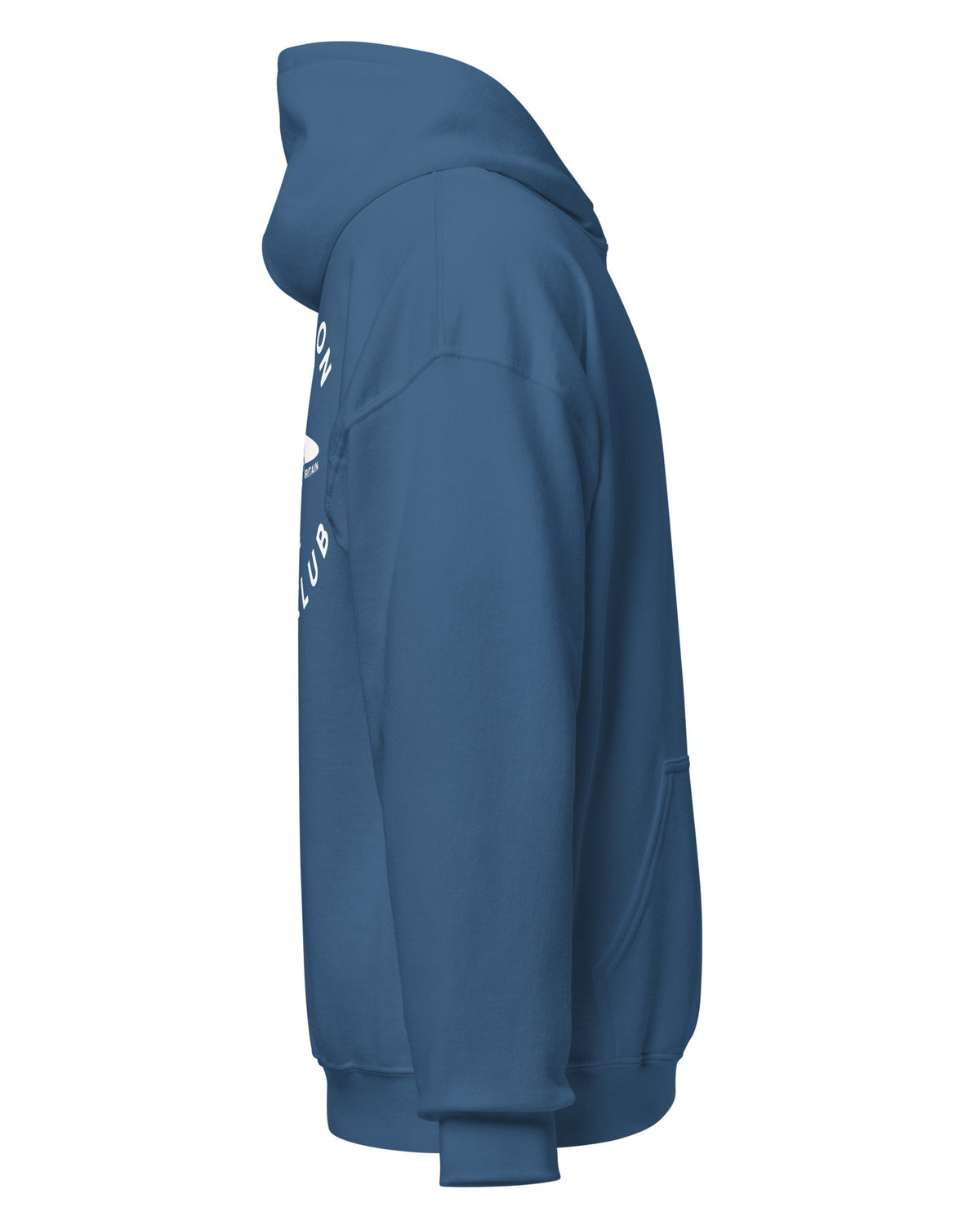
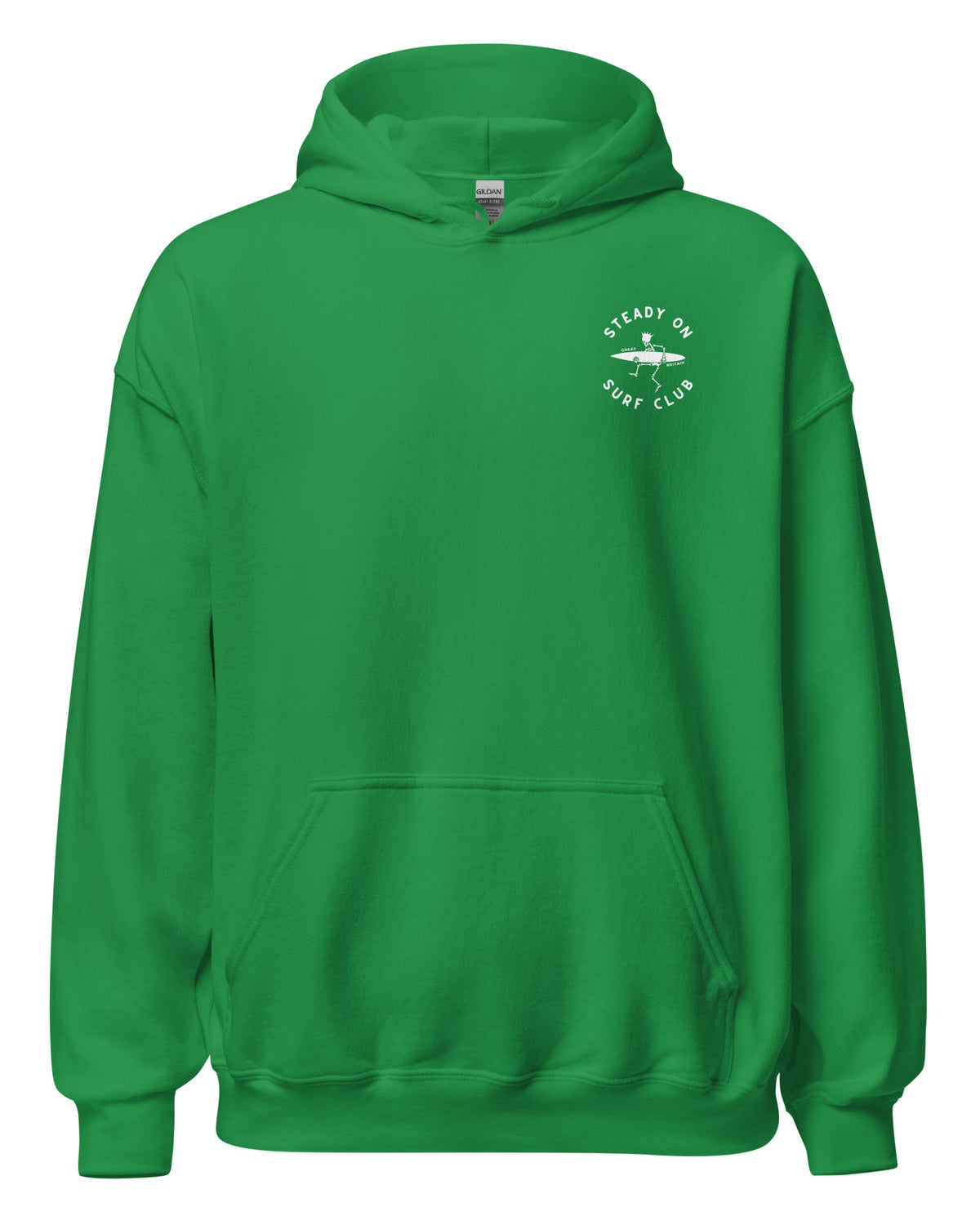
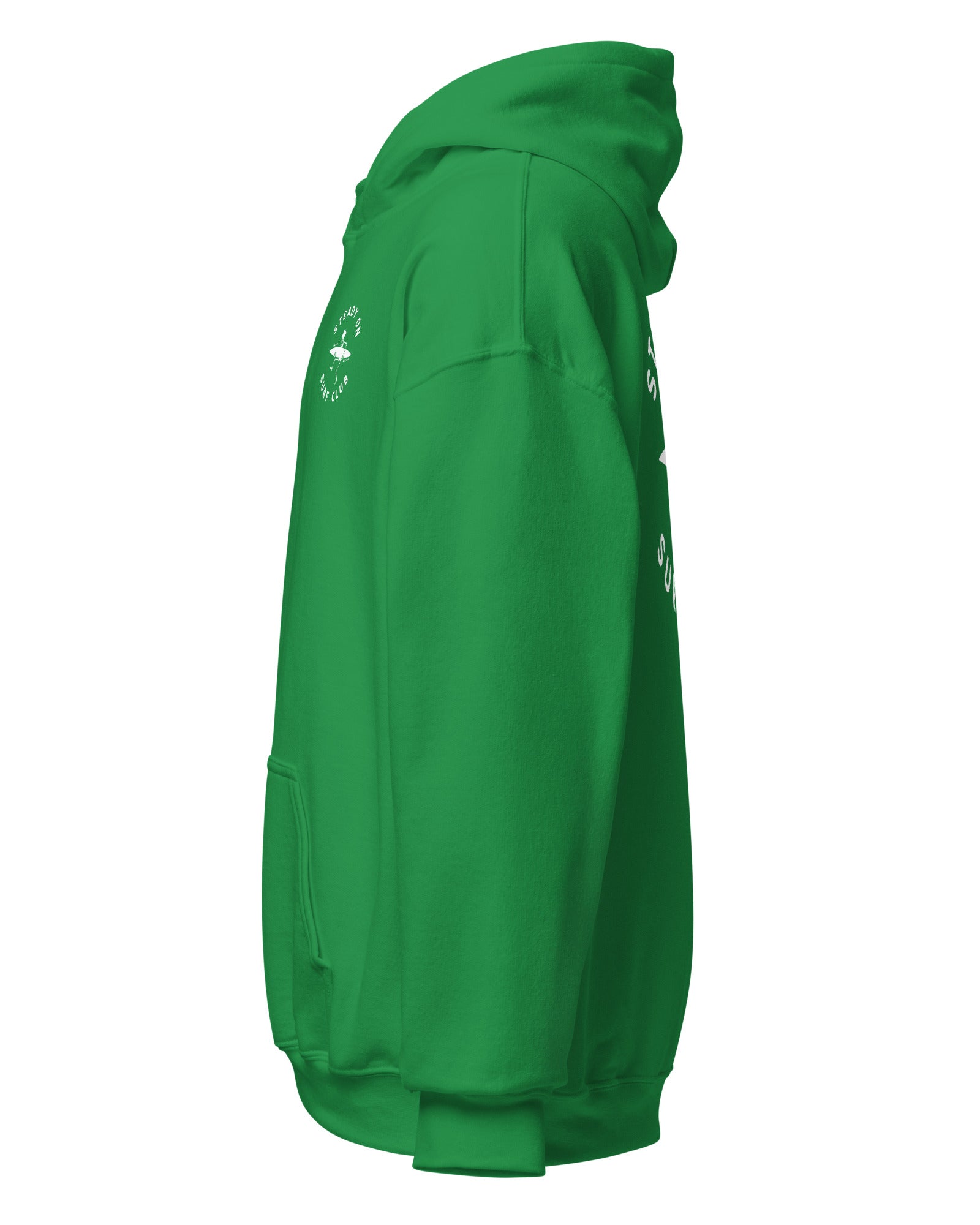
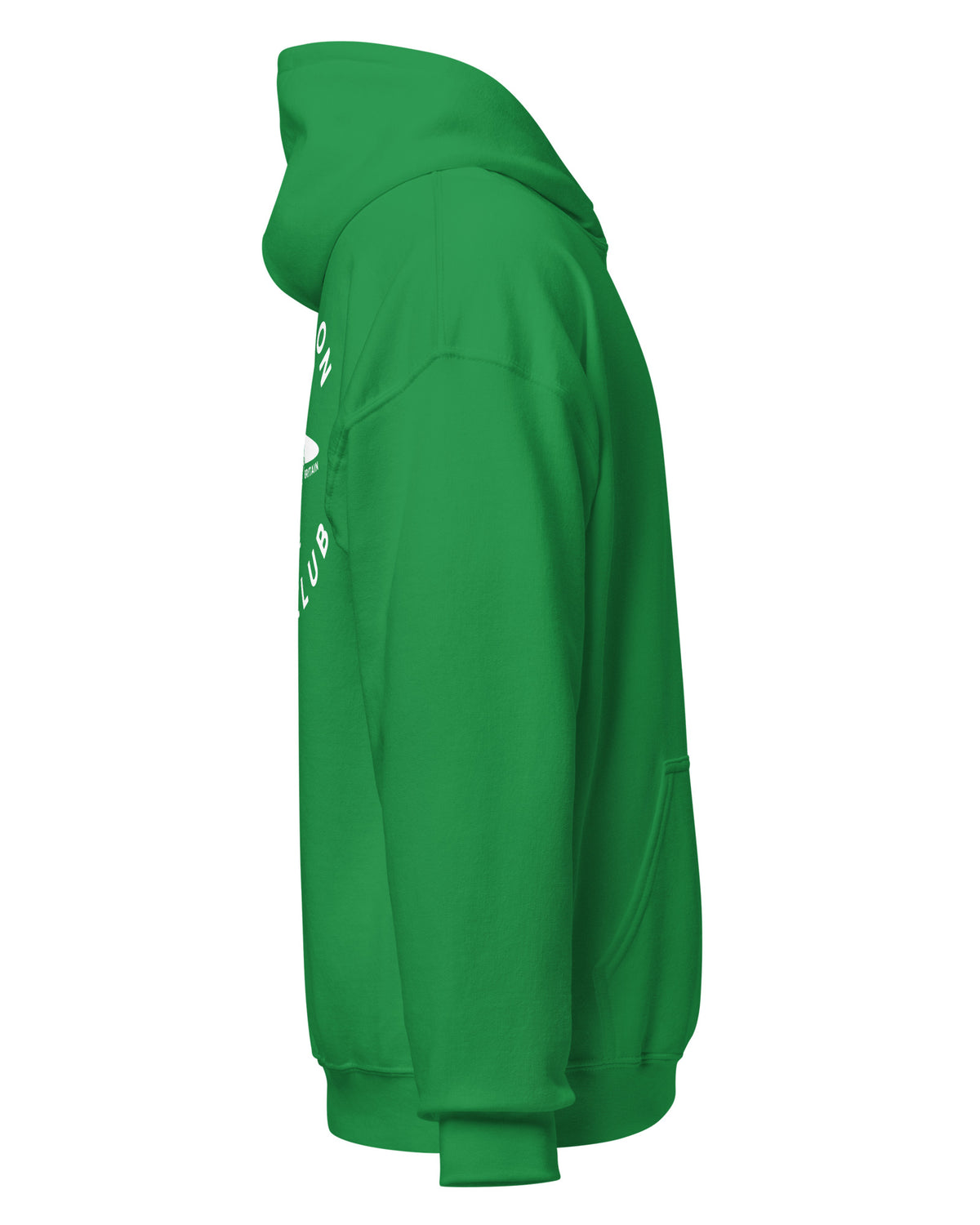
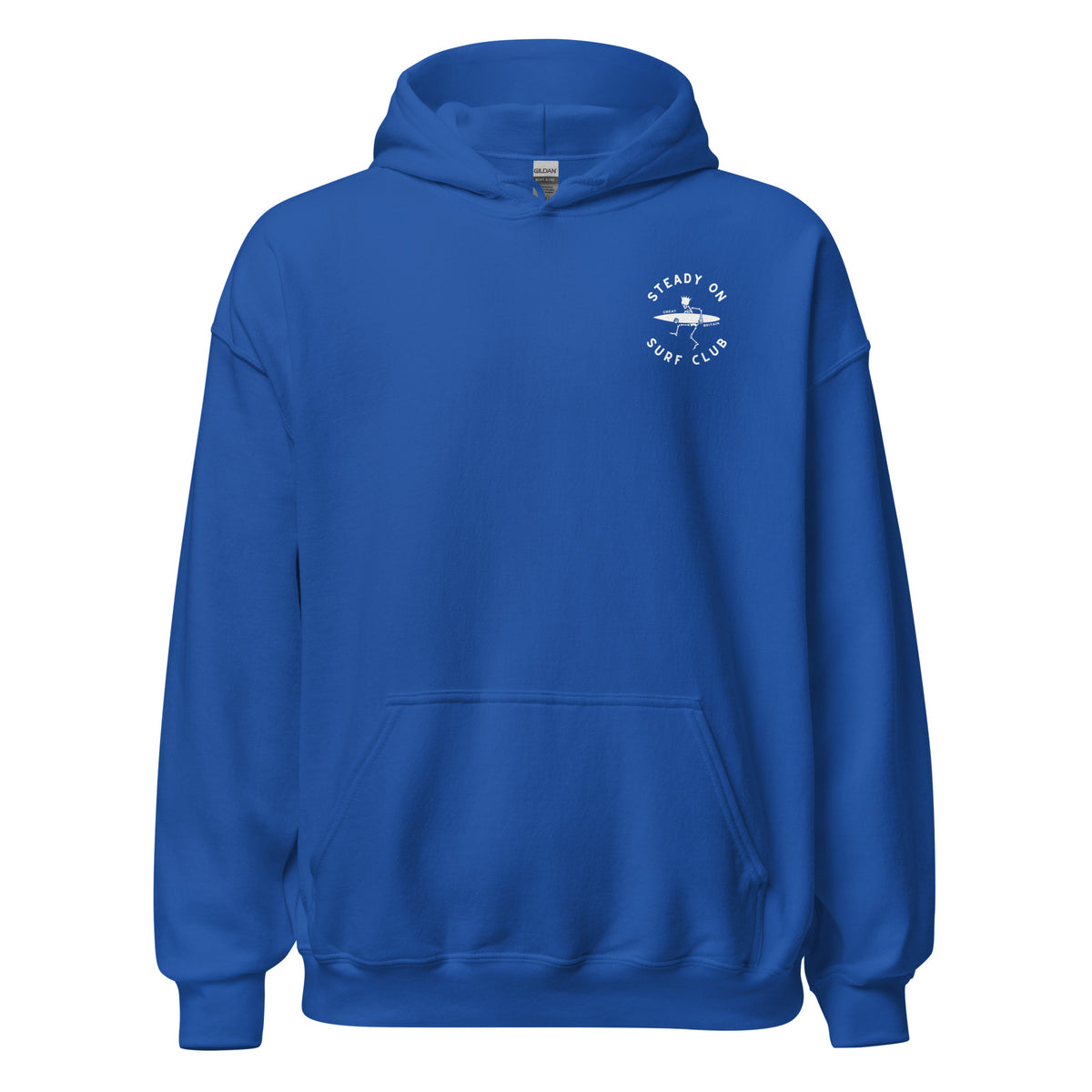
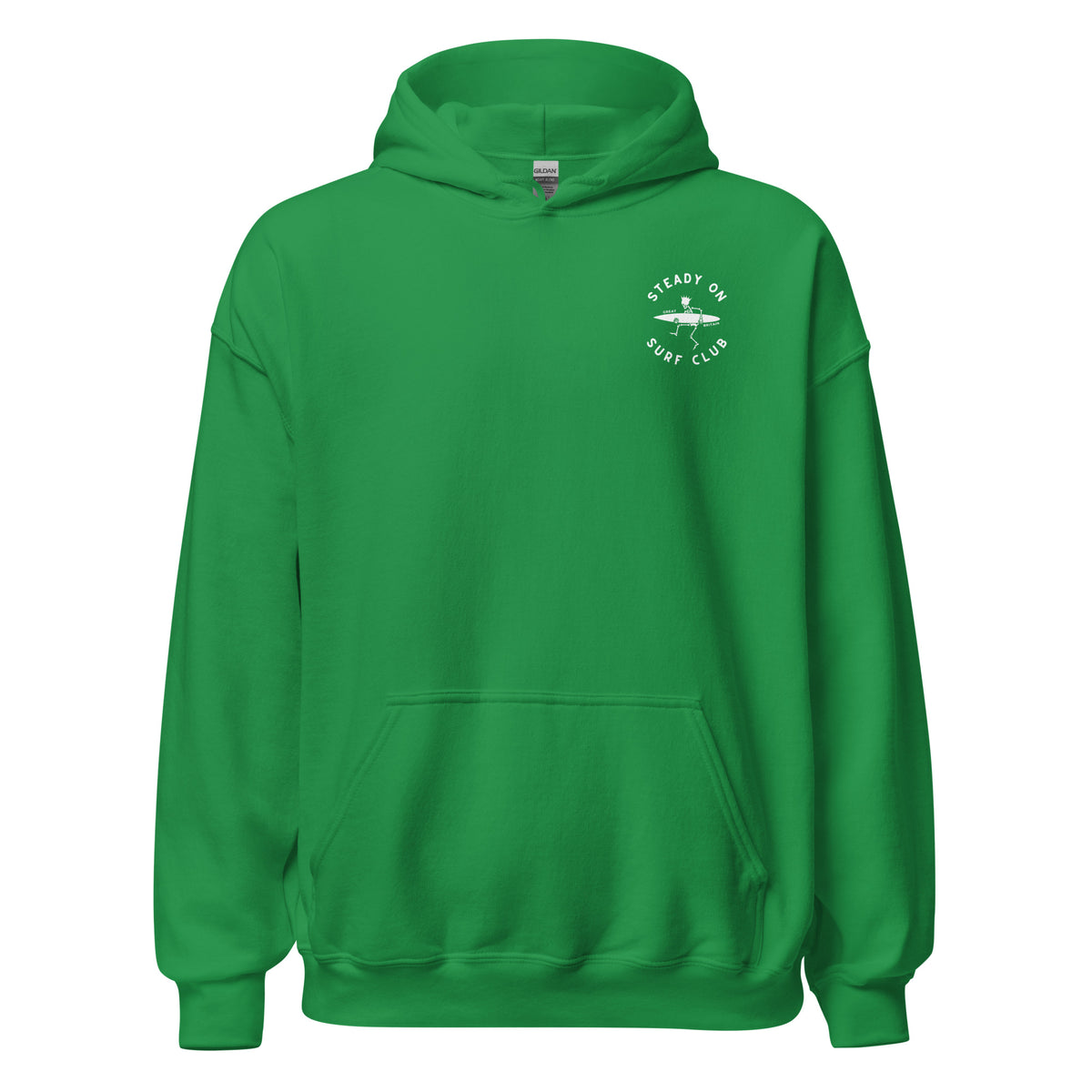
At Jolly & Goode, we like the balance: enthusiasm, with enough self-awareness to laugh at yourself. It is the spirit behind our Steady On Surf Club collection, where a big-wave attitude meets a distinctly British sense of proportion.
Dream big. Enjoy yourself. Perhaps don't call your first attempt at standing on a surfboard a sporting revolution.
Steady on.