There are beaches, and then there's Fistral. Tucked on the western edge of Newquay, Cornwall, Fistral Beach has earned its reputation as the spiritual home of British surfing — a stretch of Atlantic-facing sand that doesn't apologise for its wildness, and neither do the people who love it.
Why Fistral Is Different
Most British beaches face the Channel or the North Sea. Fistral faces the full force of the Atlantic Ocean, which means when a swell rolls in, it really rolls in. The beach is uniquely exposed to south-westerly groundswells, generating the kind of consistent, powerful waves that have made it the go-to venue for world-class competition — including the prestigious Boardmasters Festival, which draws the global surf elite to Cornish shores every summer.
But Fistral isn't just for pros. On any given morning you'll find groms on their first foam boards alongside grey-haired regulars who've been reading the break since before surf schools existed. That democratic spirit — everyone in the water, everyone stoked — is what makes the place feel alive.
The Break Itself
Fistral offers a variety of peaks across its length, with the most famous being Fistral South and Little Fistral (the headland end), which tends to hold shape better in bigger swells. On a solid north-westerly groundswell with a light south-easterly offshore breeze, it can produce long, powerful right-handers that wouldn't look out of place in a surf film. On smaller days, it's forgiving enough for beginners working with one of the town's many surf schools.
The beach faces roughly north-west, so it picks up swell from every major Atlantic storm track. Winter sessions can be savage and spectacular; summer brings warmer water, softer surf, and crowds. Dawn patrol is always worth setting the alarm for.
Newquay: Britain's Surf Capital
Fistral sits at the heart of Newquay, a town that has built its identity entirely around surf culture. From the cliff-top cafés looking out over the lineup to the board shapers working in backstreet workshops, there's a genuine surf ecosystem here that doesn't exist anywhere else in the UK at quite the same scale. Cornwall as a whole has a fiercely independent character — a pride in its coastline, its language, and its way of life — and Fistral is where that pride is most visibly expressed.
Getting There & When to Go
- Best months: September to November for swell consistency and fewer crowds; June to August for warmer water and festival season
- Getting there: Newquay has its own airport with flights from London and Manchester; by train, change at Par for the Newquay branch line
- Car parking: Fistral Beach car park sits directly above the beach — arrive early in summer
- Wetsuit: Year-round, even in August. A 3/2mm in summer, 5/4mm in winter
The Vibe
What keeps people coming back to Fistral isn't just the waves. It's the ritual of it — the early alarm, the fog hanging over the car park, the first glimpse of the swell from the cliff path, the smell of neoprene and salt. It's the post-surf chips eaten on the sea wall, squinting into the wind. It's the unspoken camaraderie of people who've all just done something slightly daft in cold water and feel absolutely brilliant for it.
British surfing has its own flavour — grittier, less glamorous, and arguably more earned than its Californian or Australian counterparts. And nowhere embodies that better than Fistral.
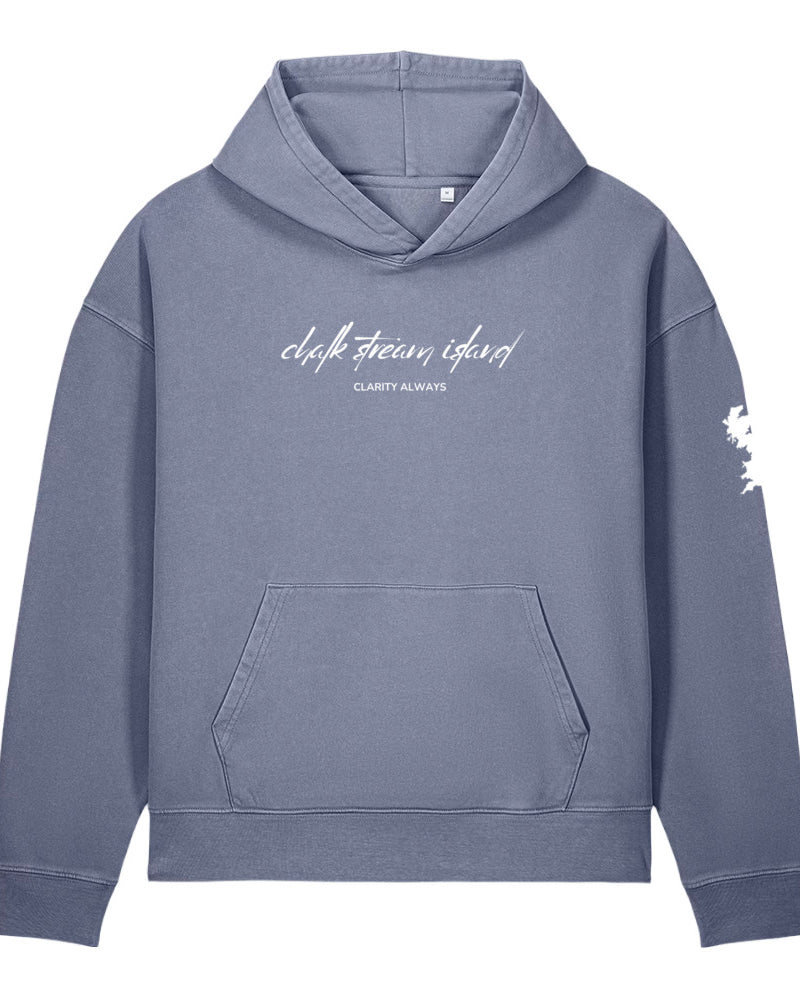
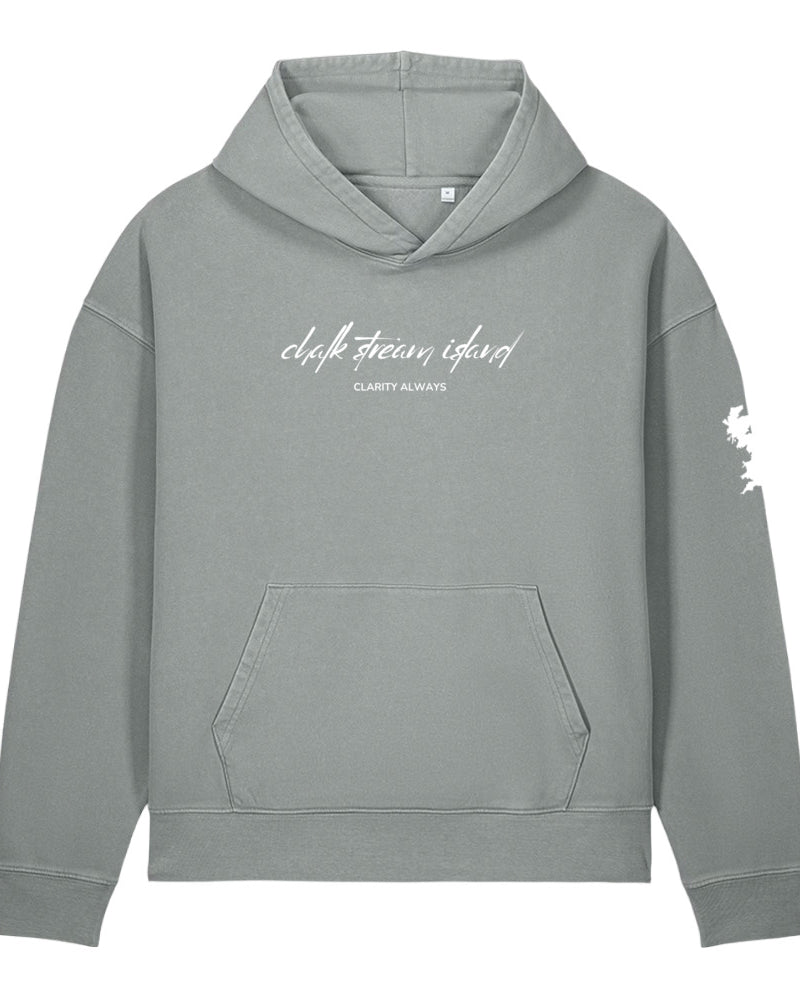
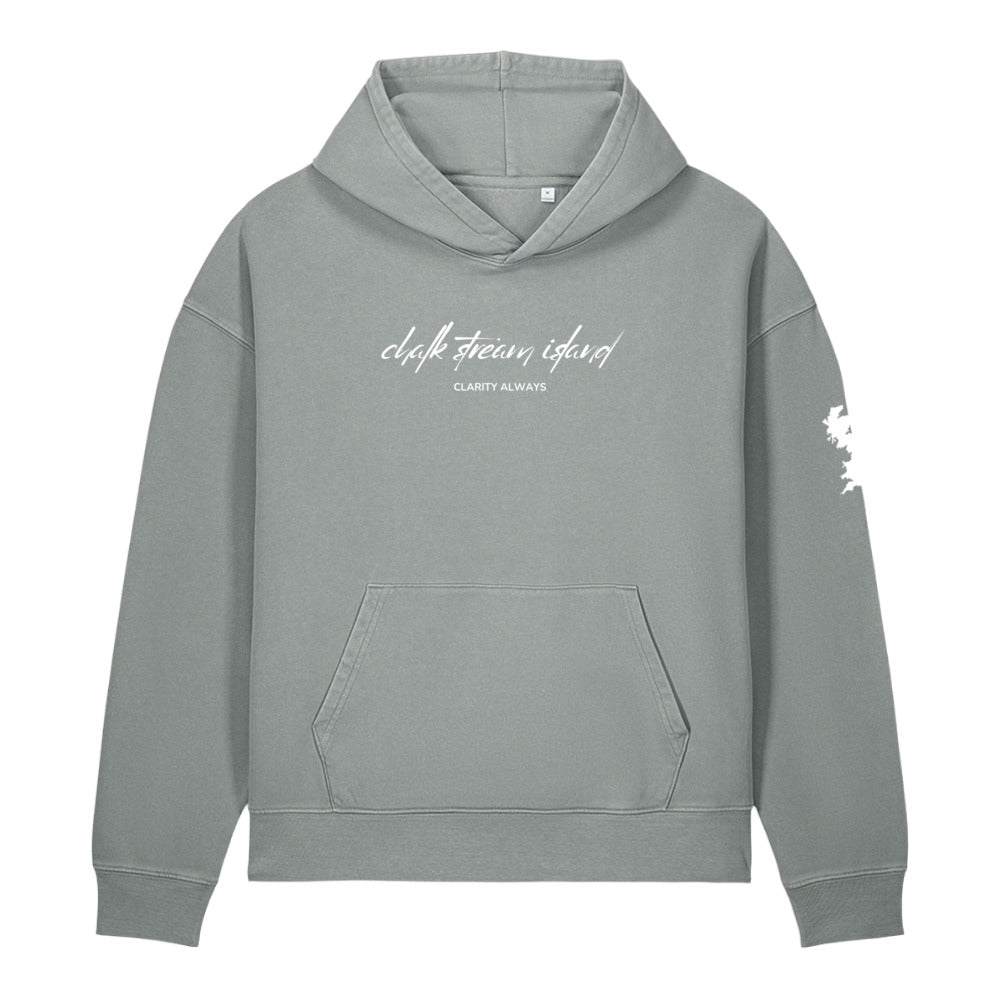
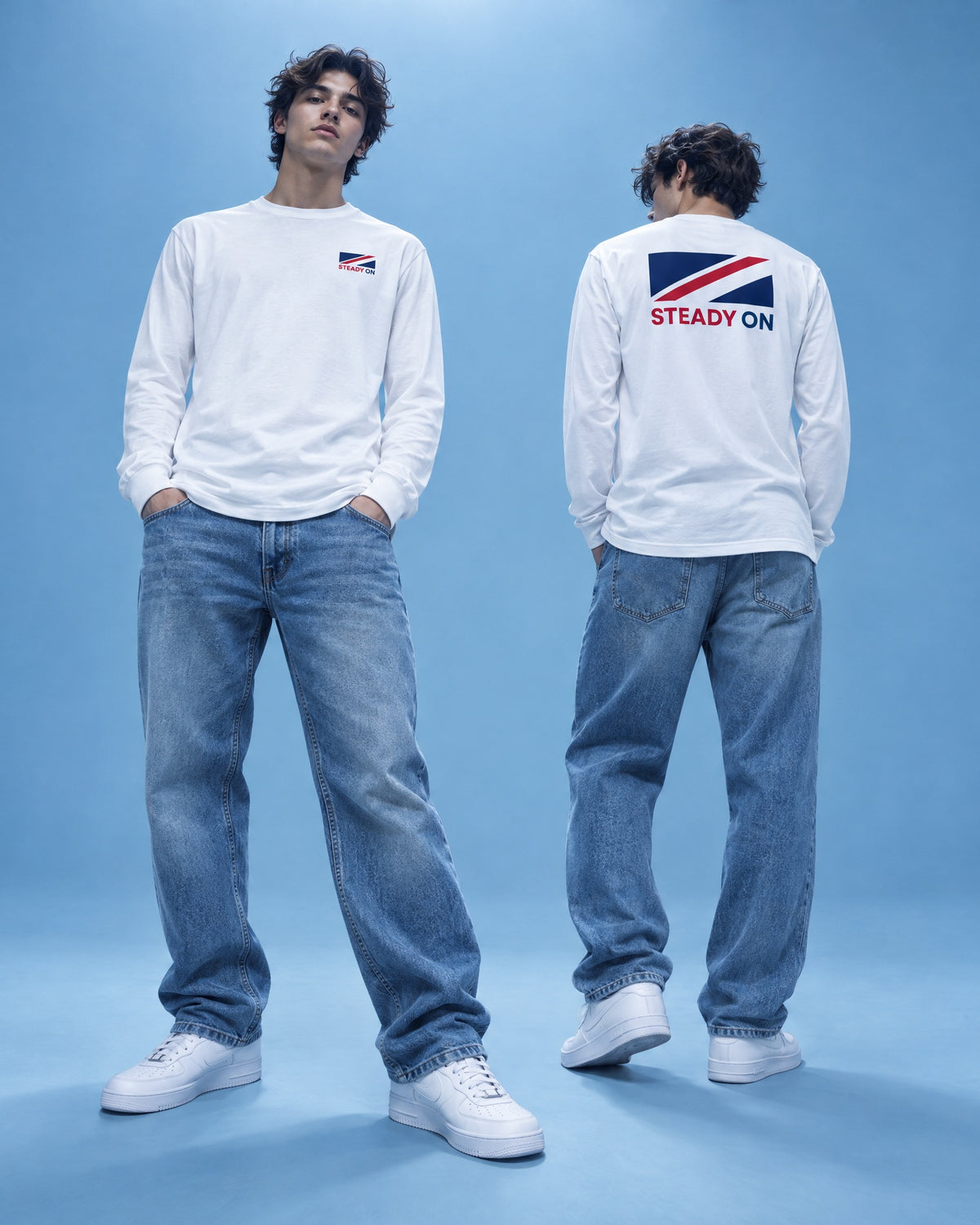
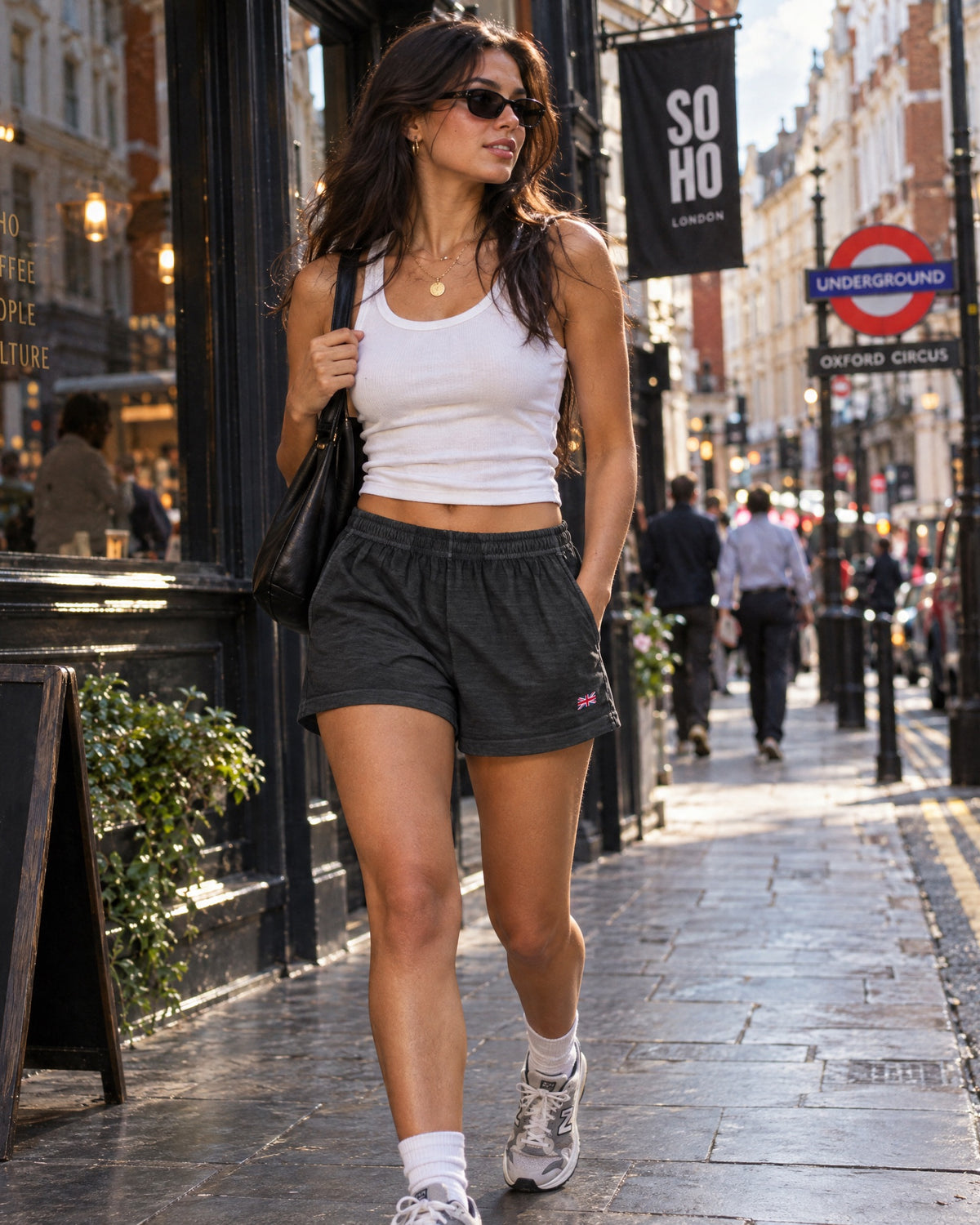
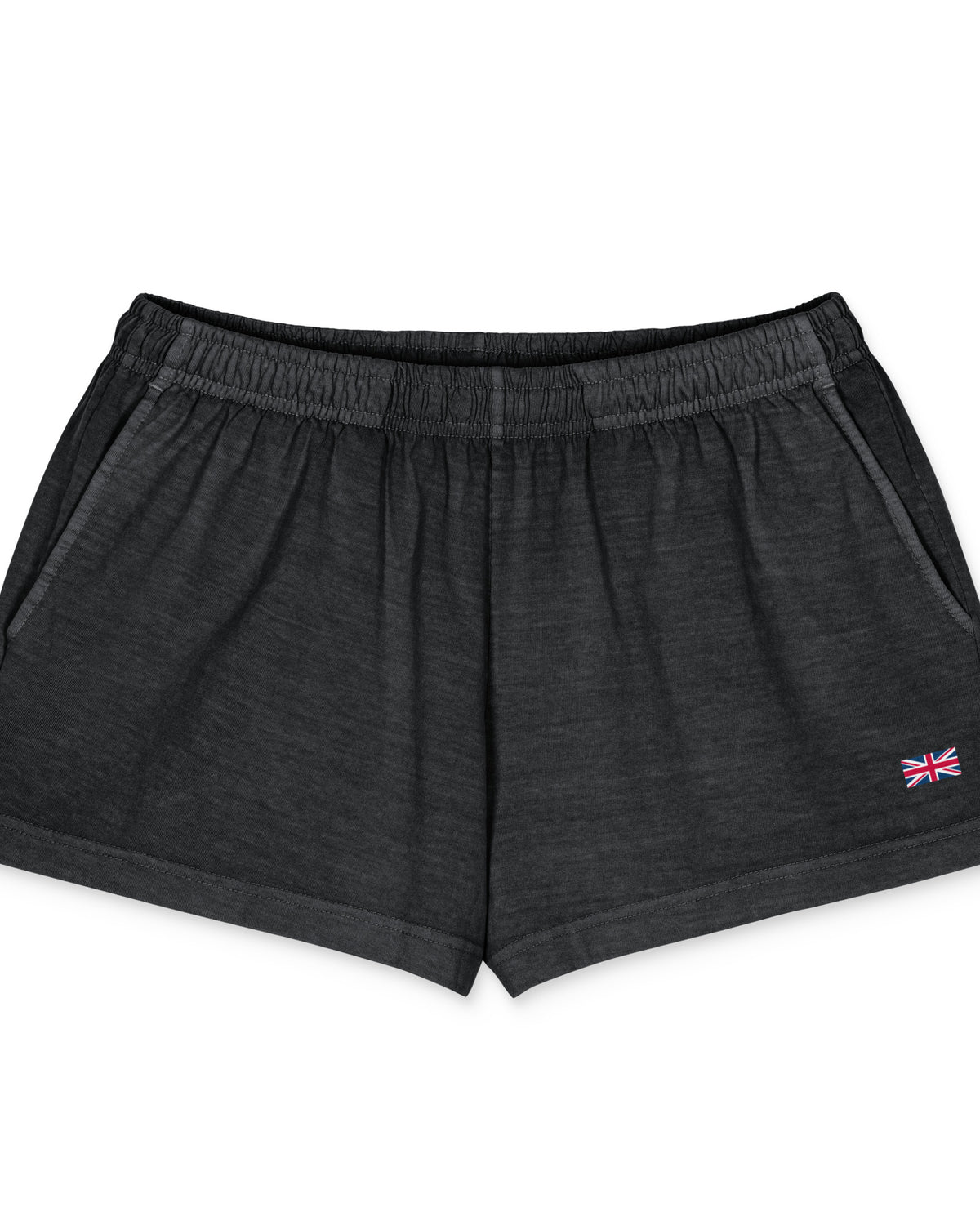
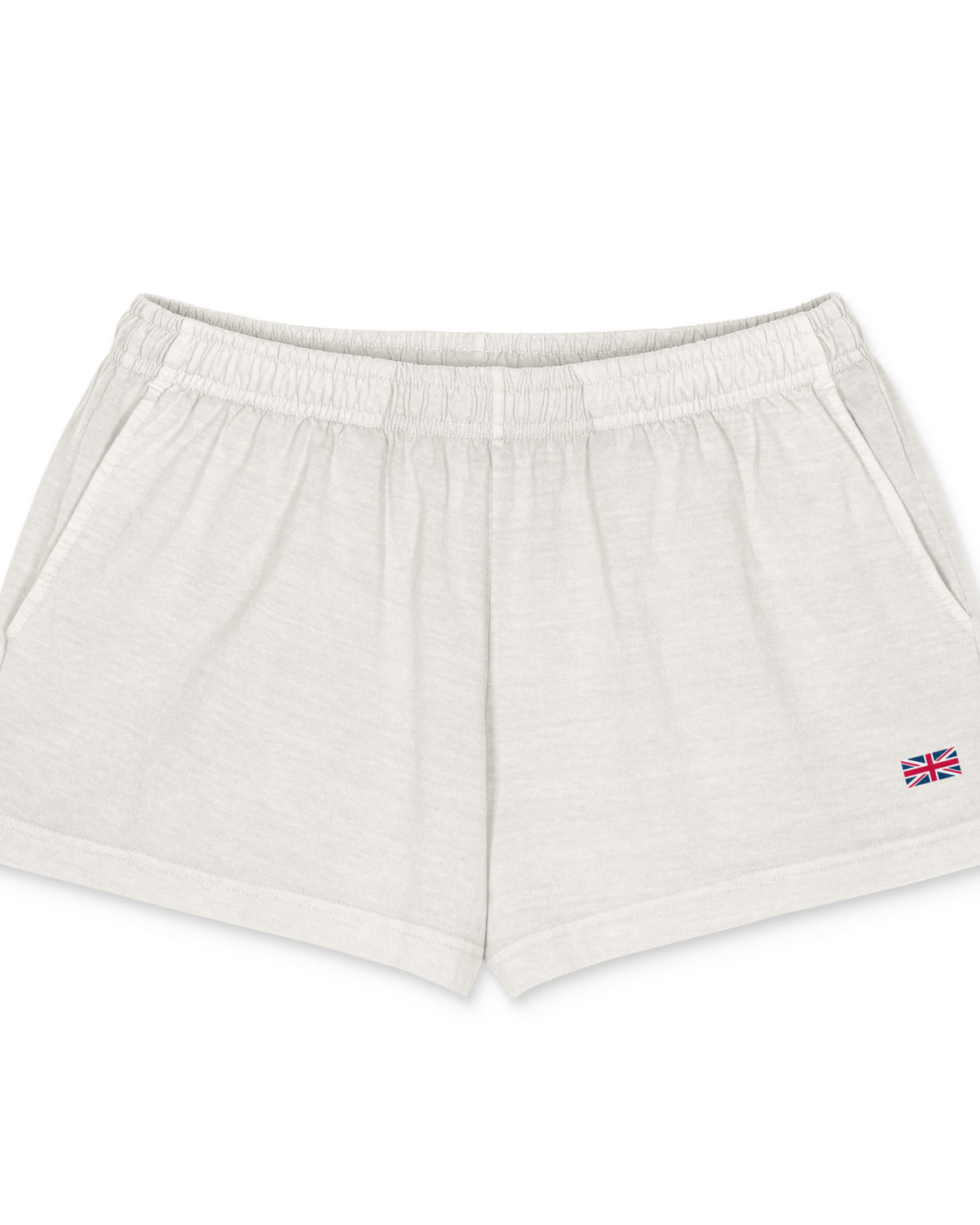
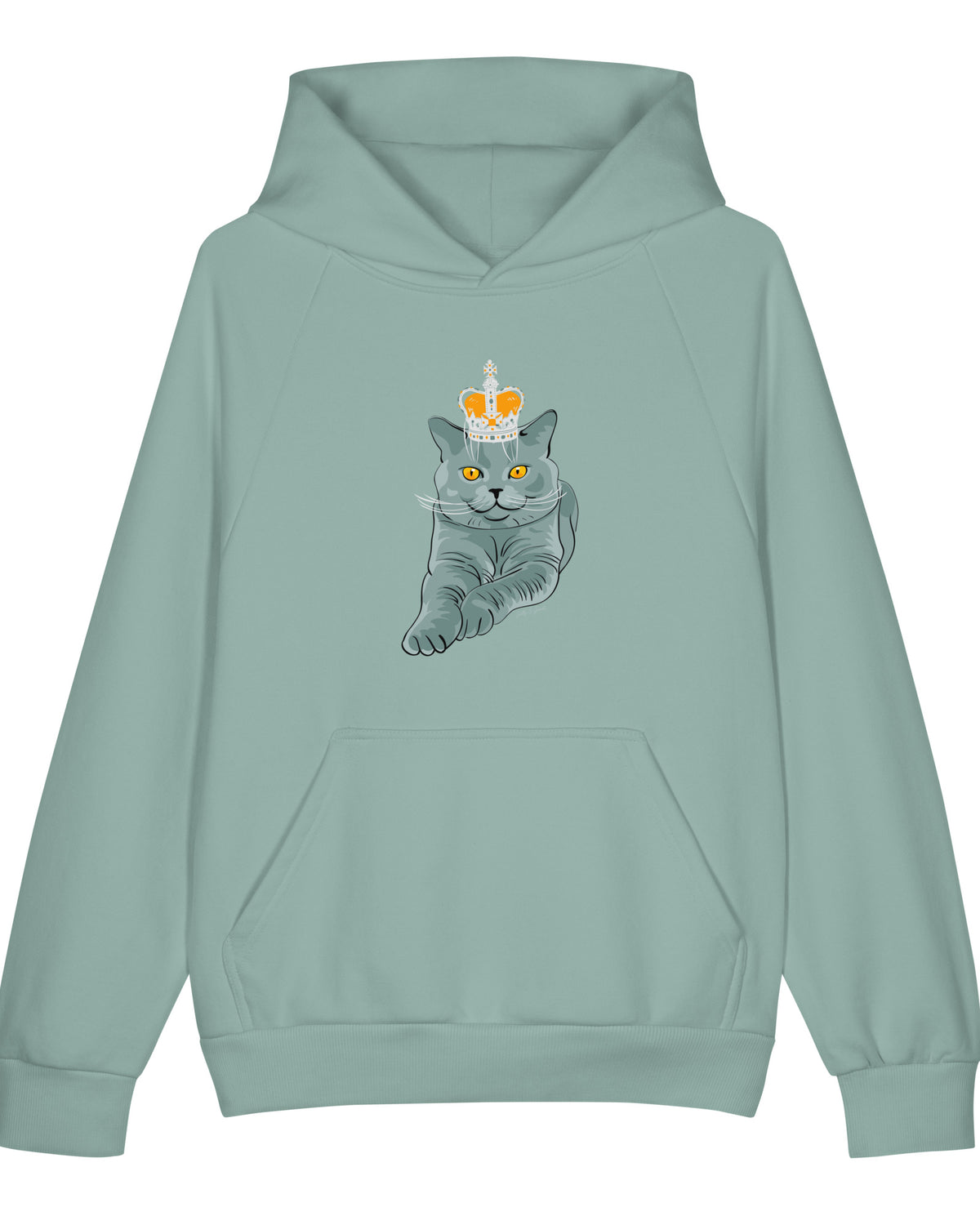
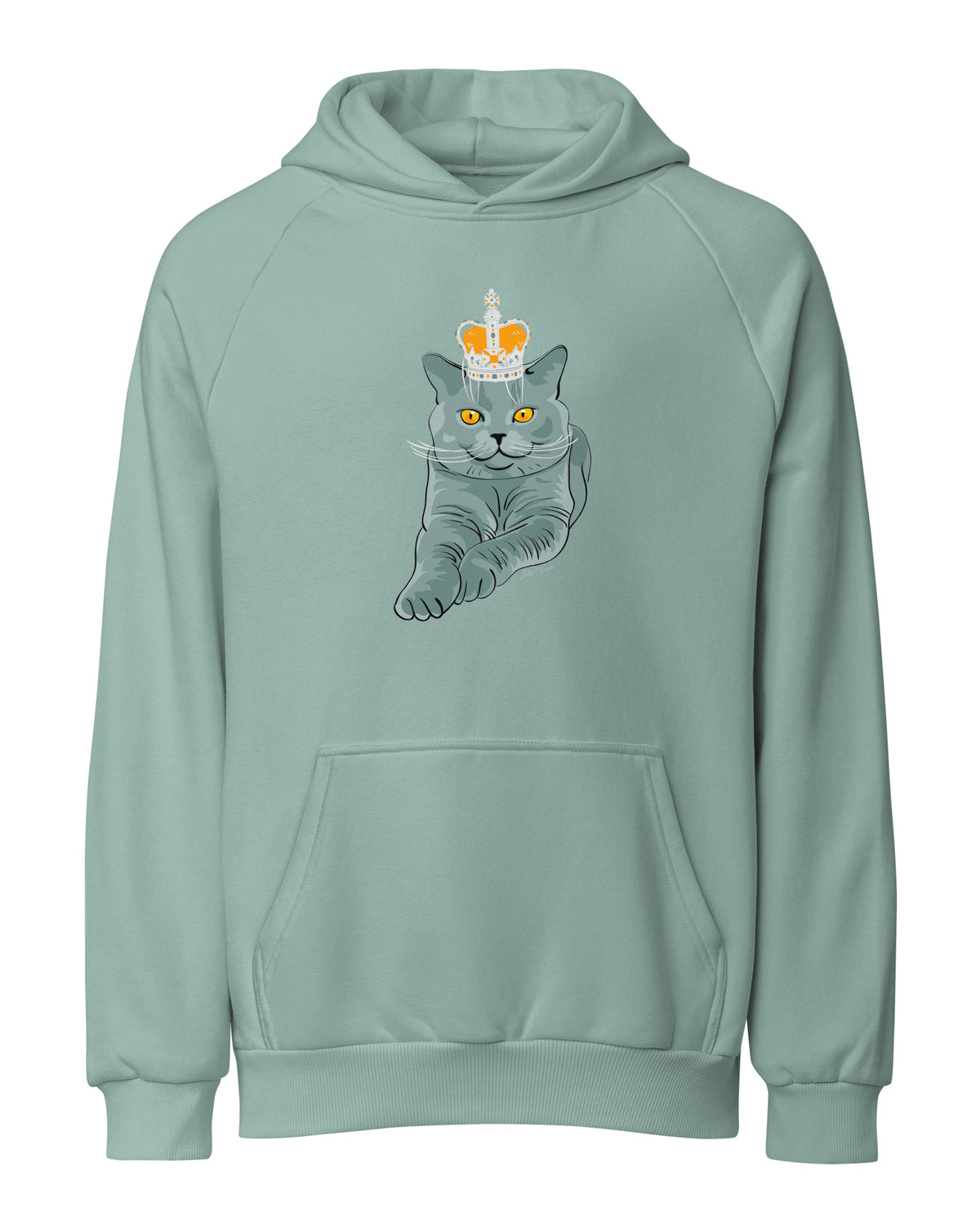
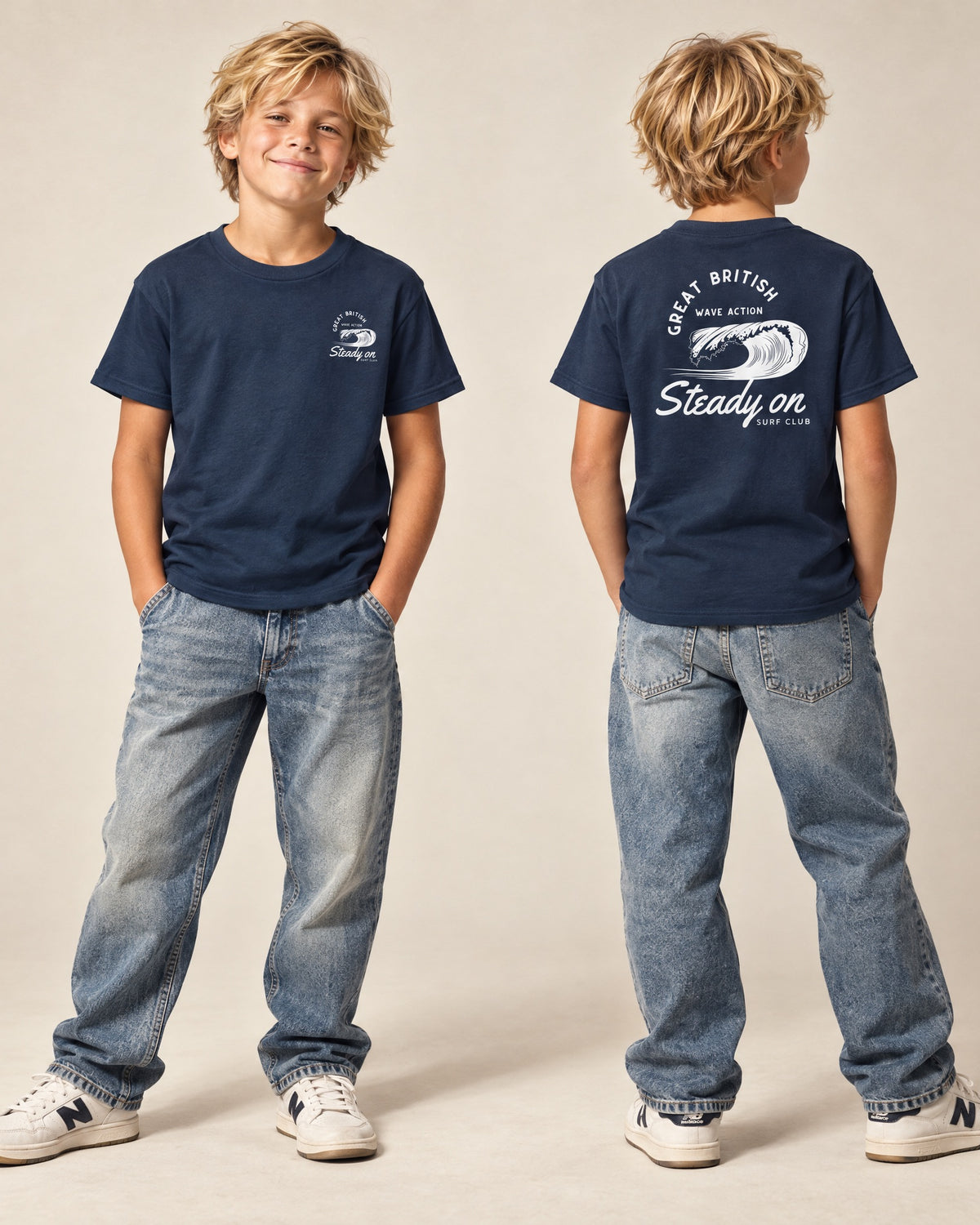
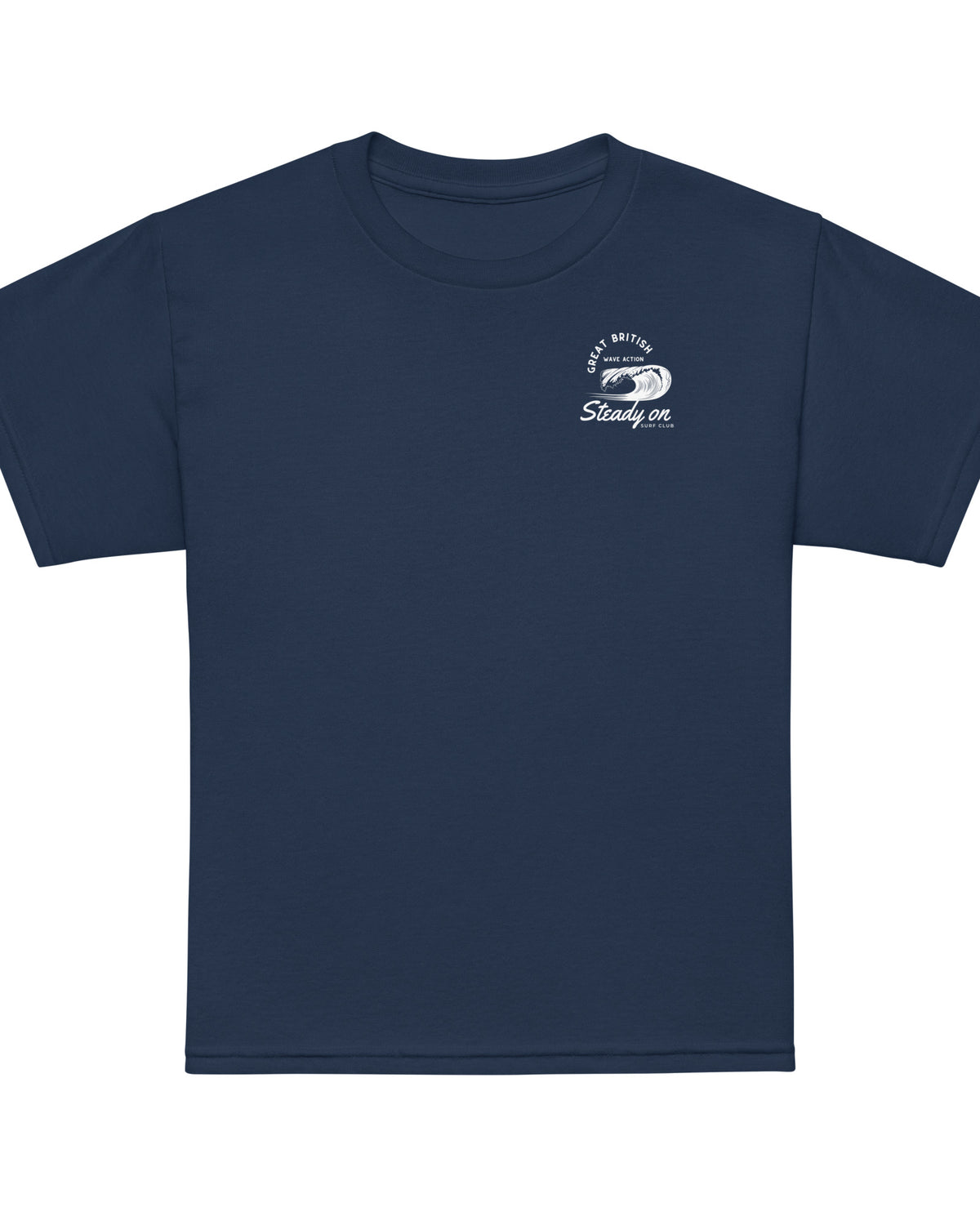
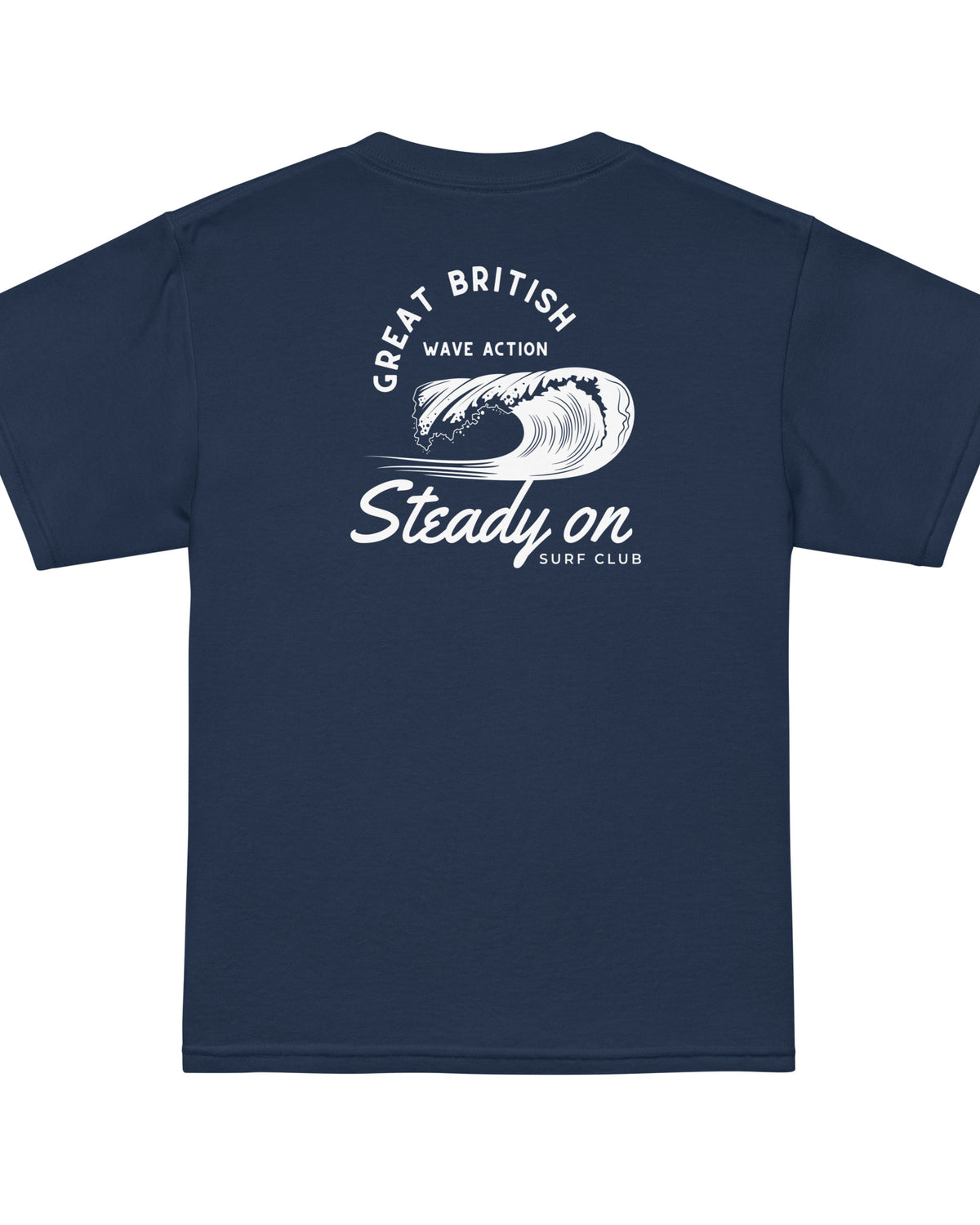
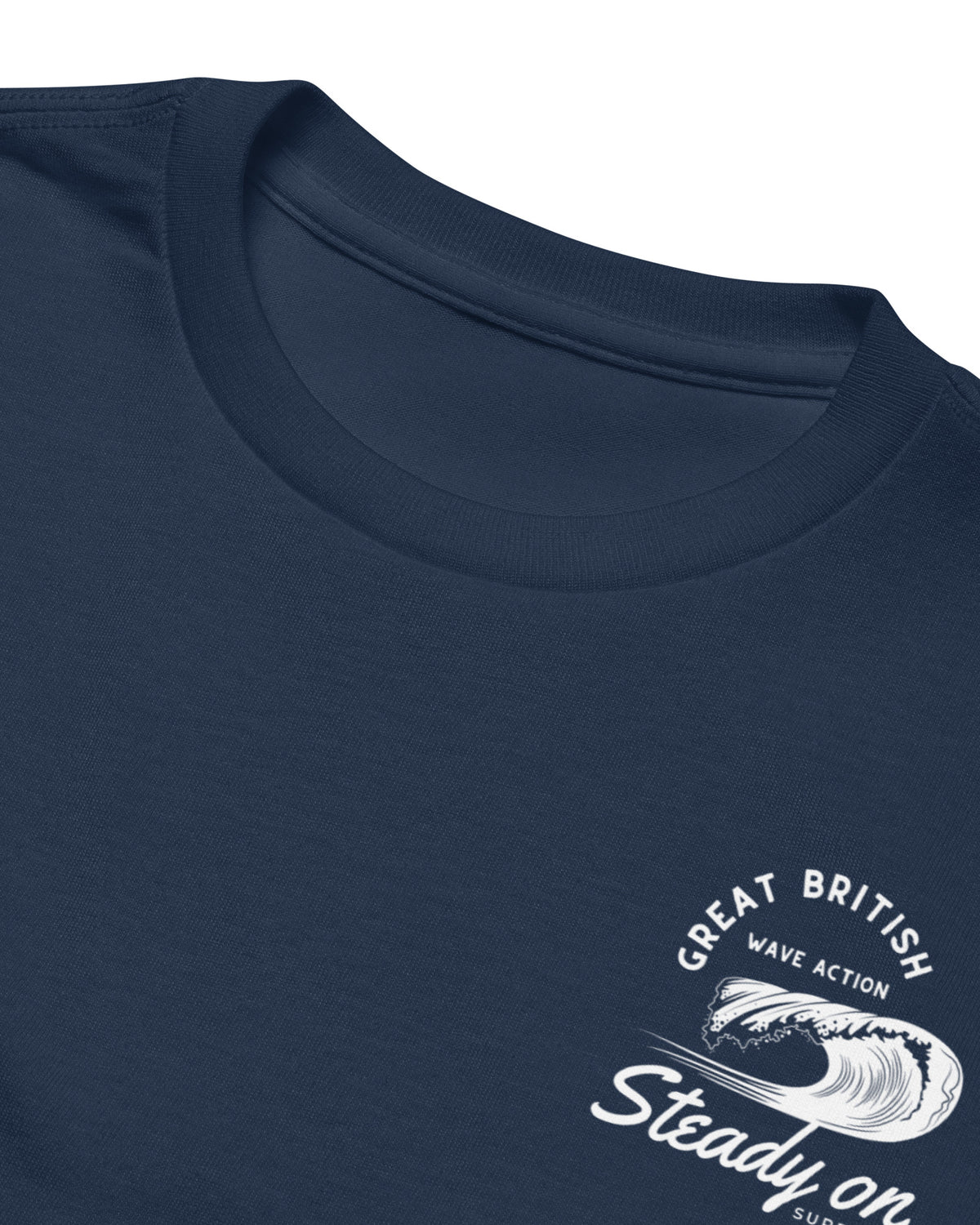
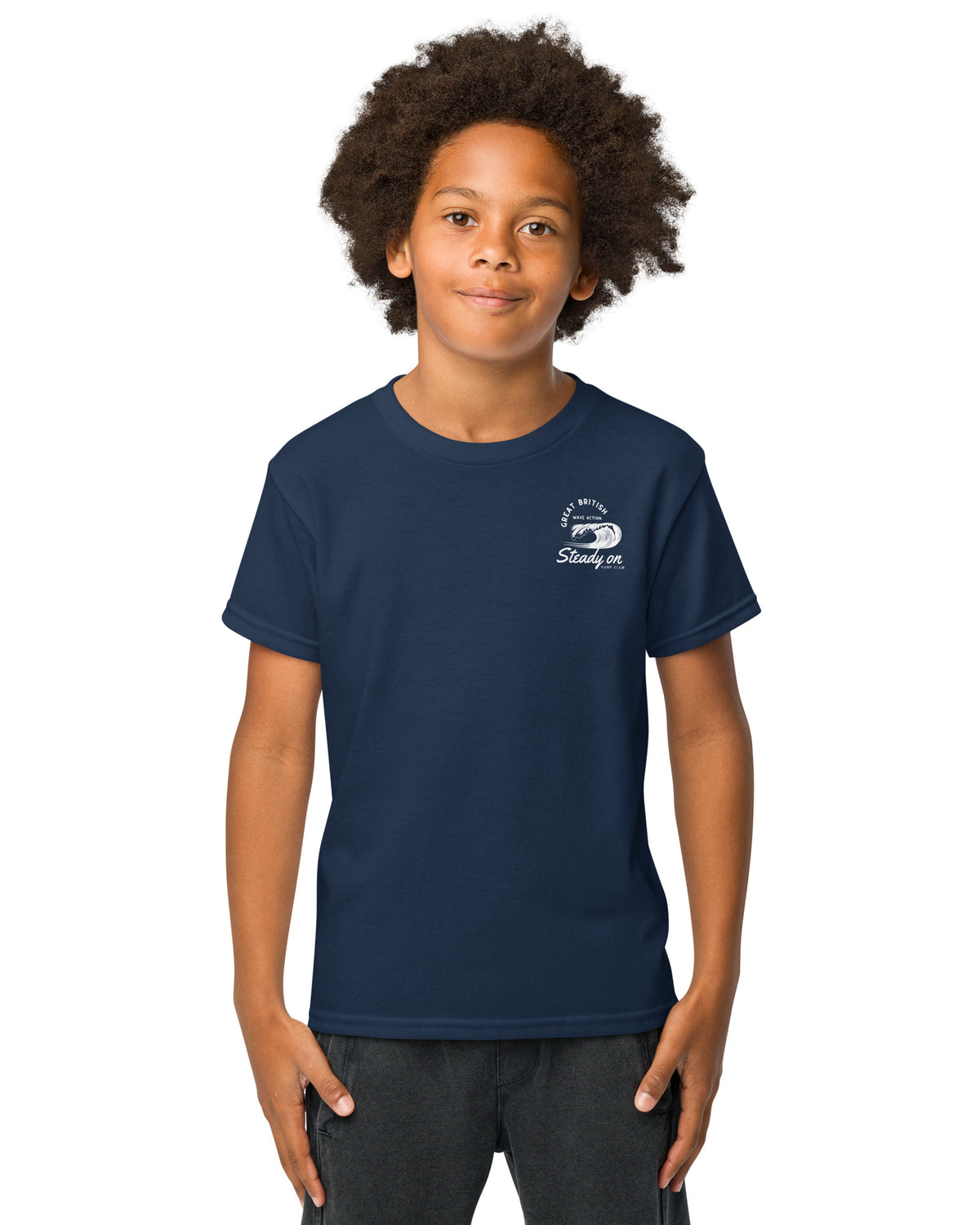
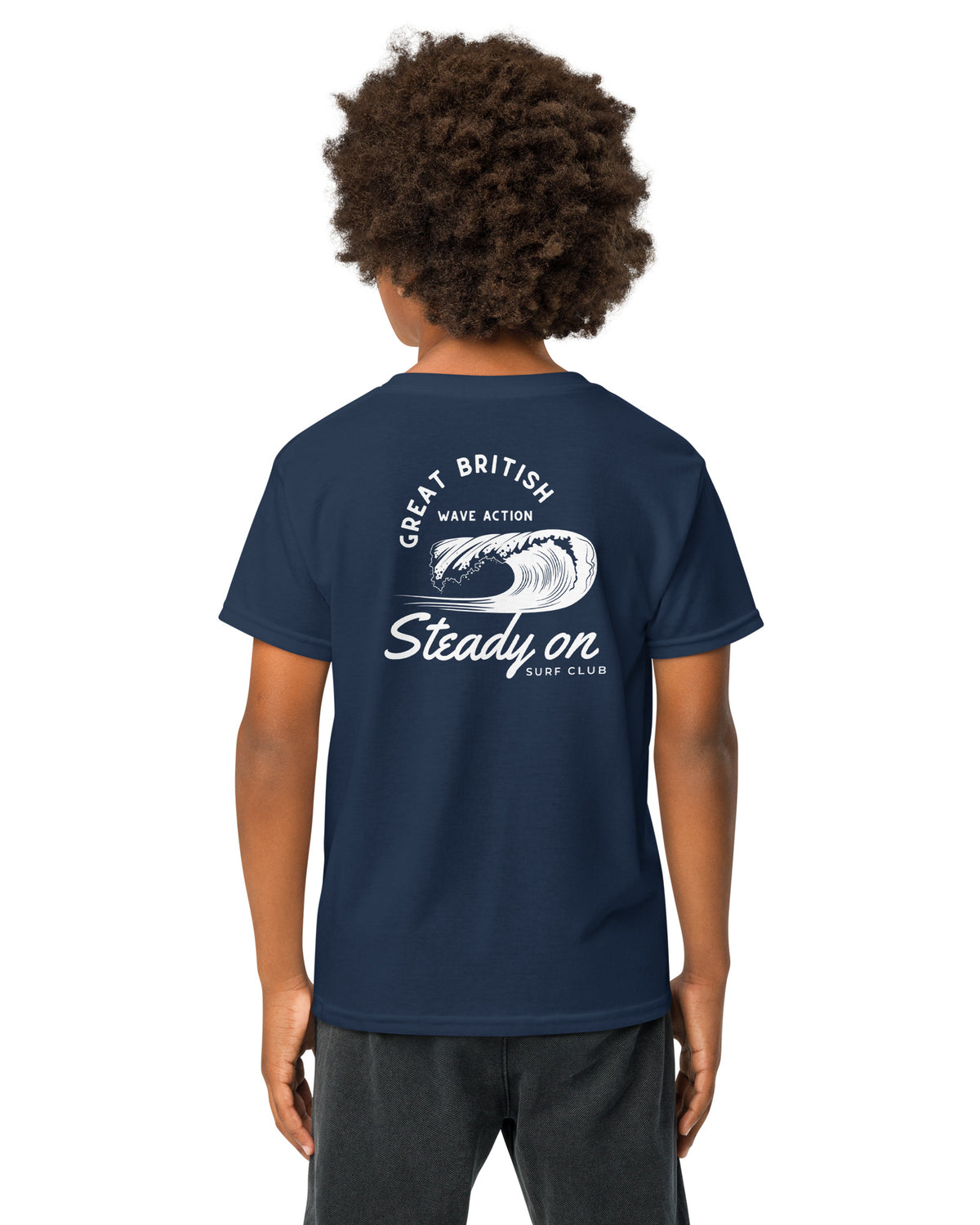
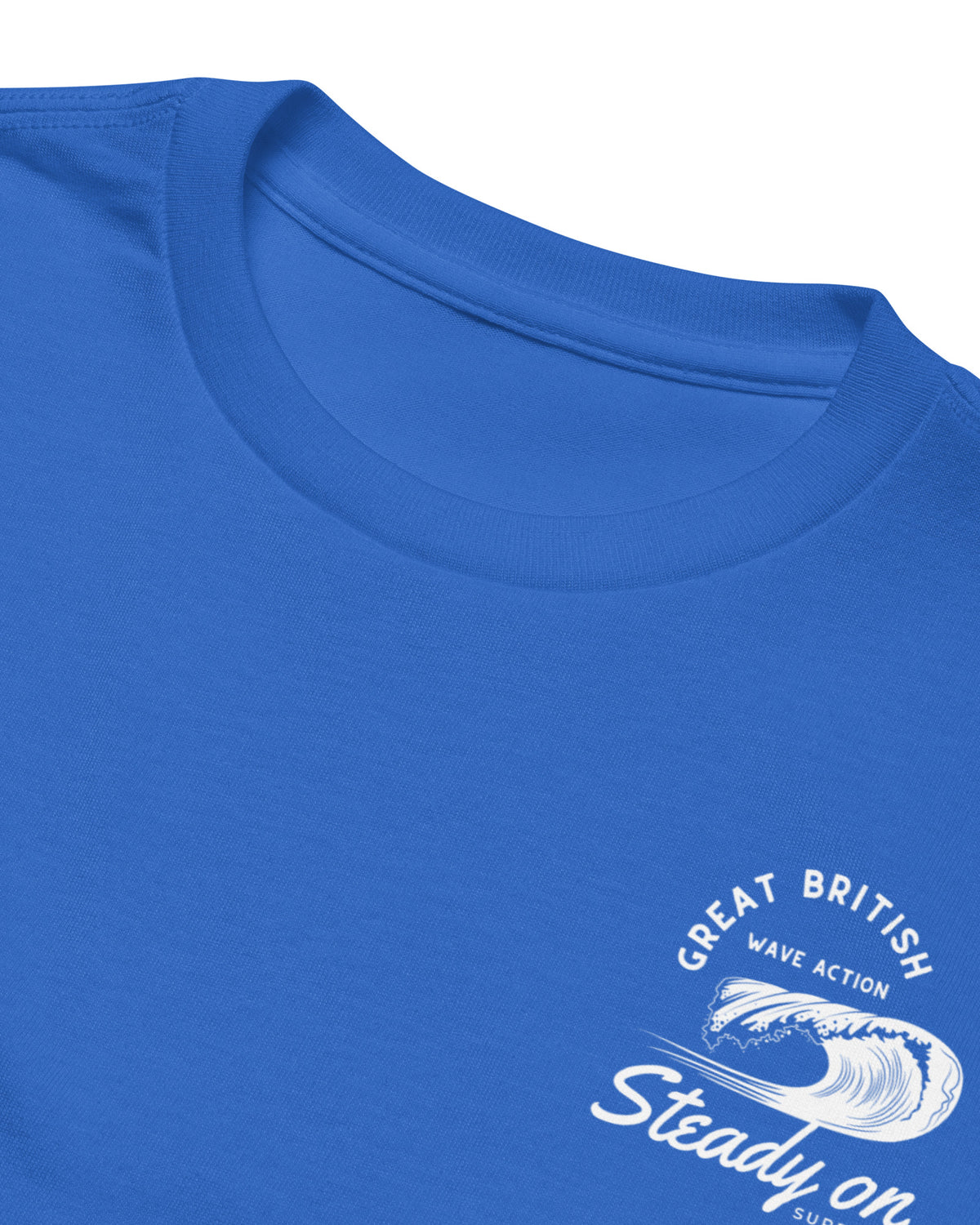
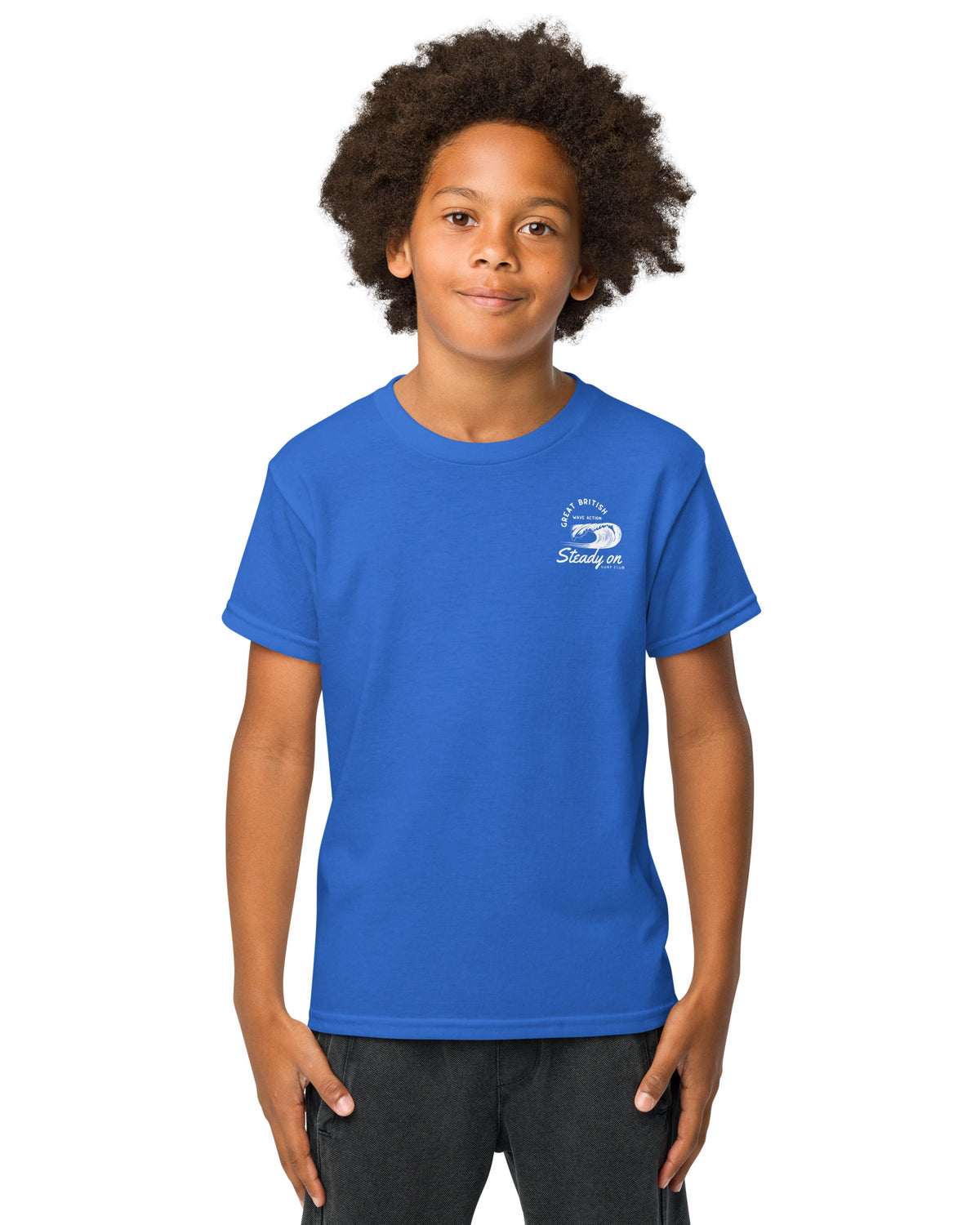
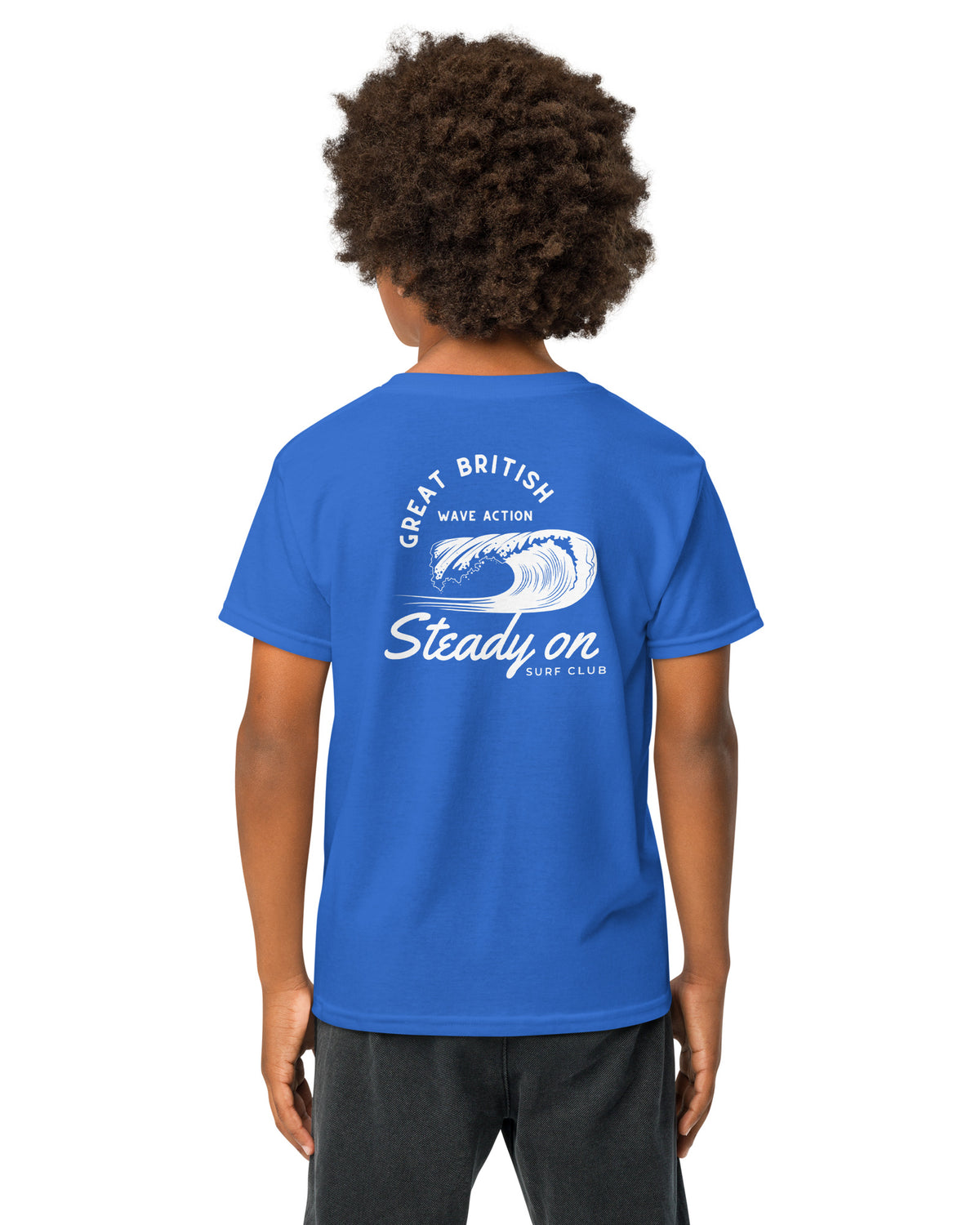
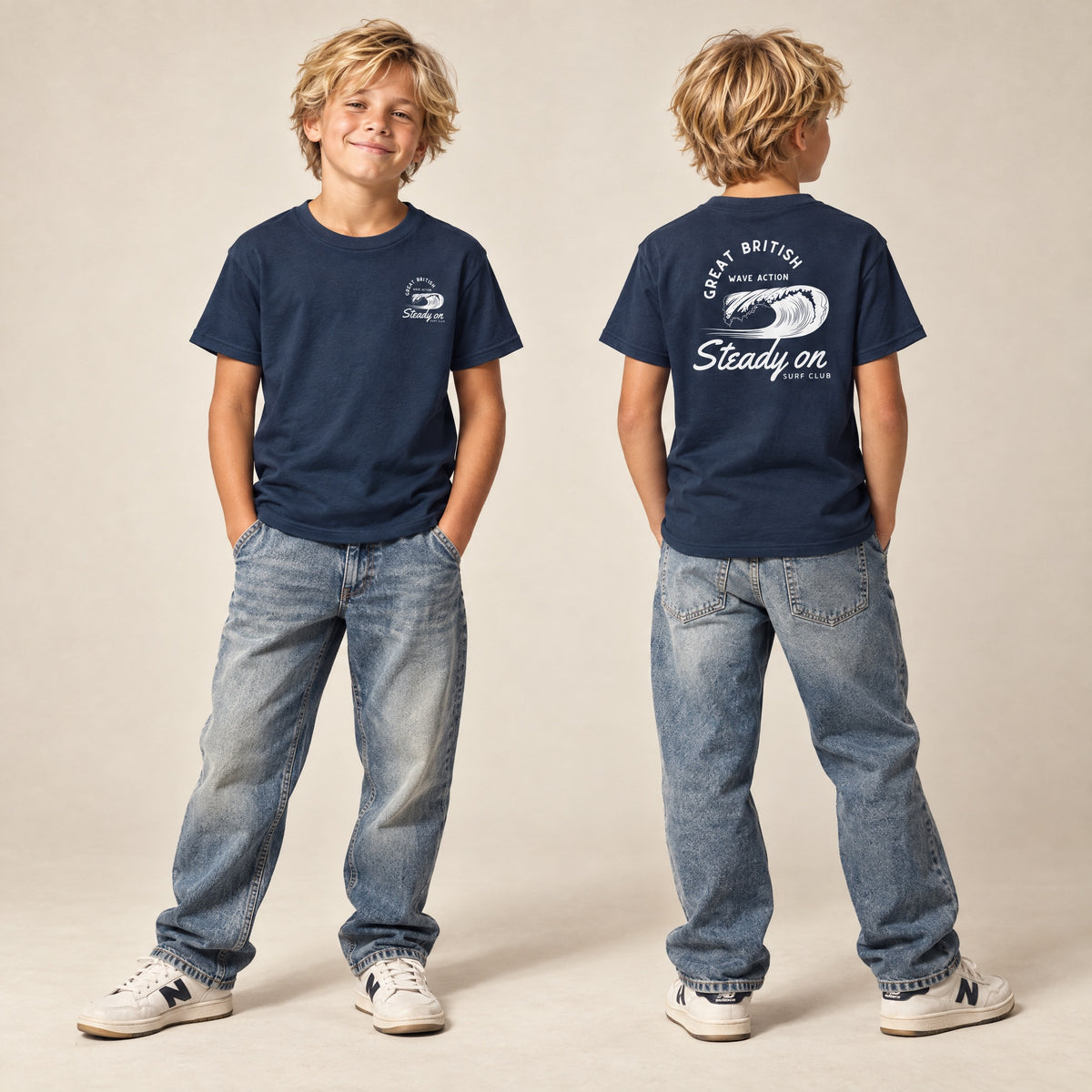
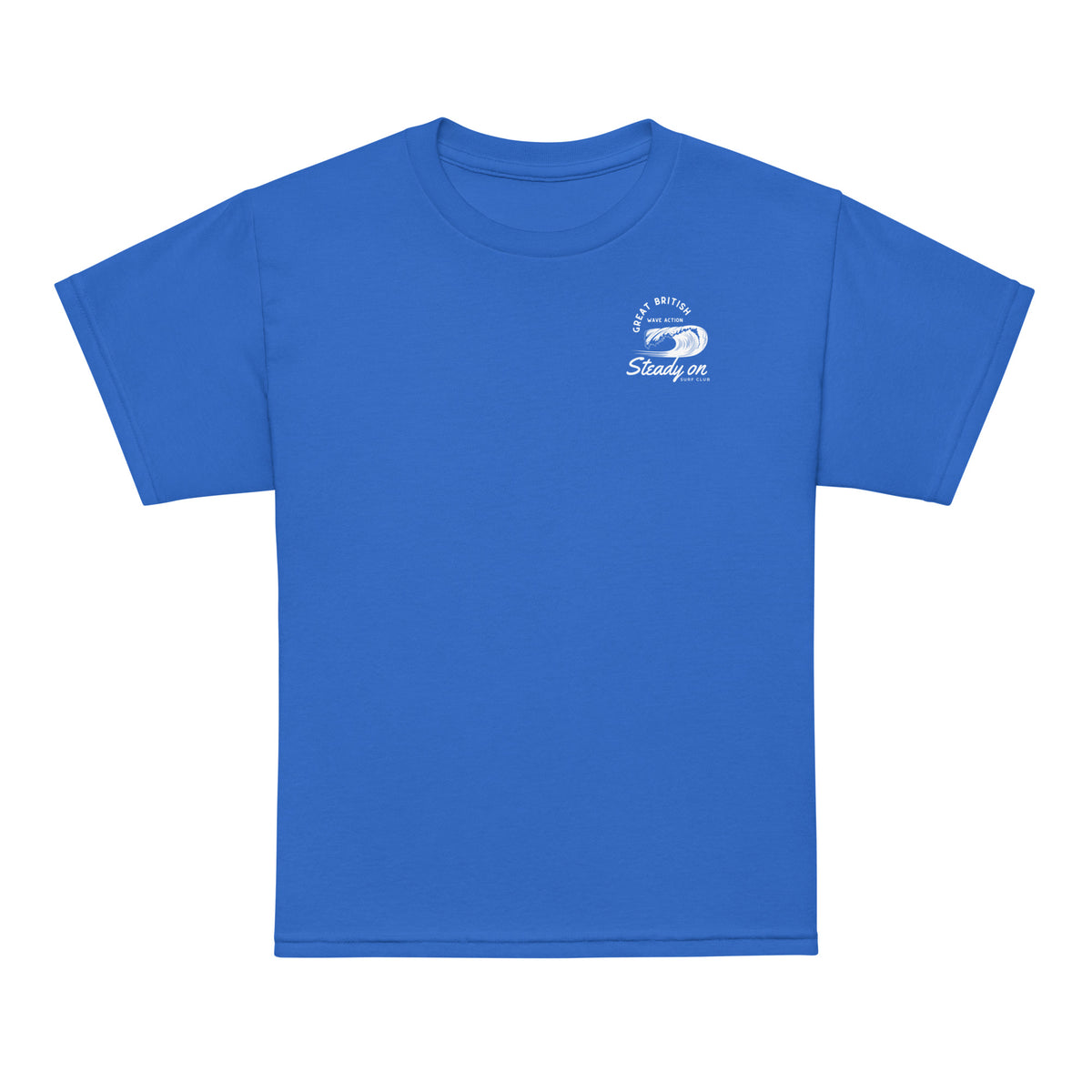
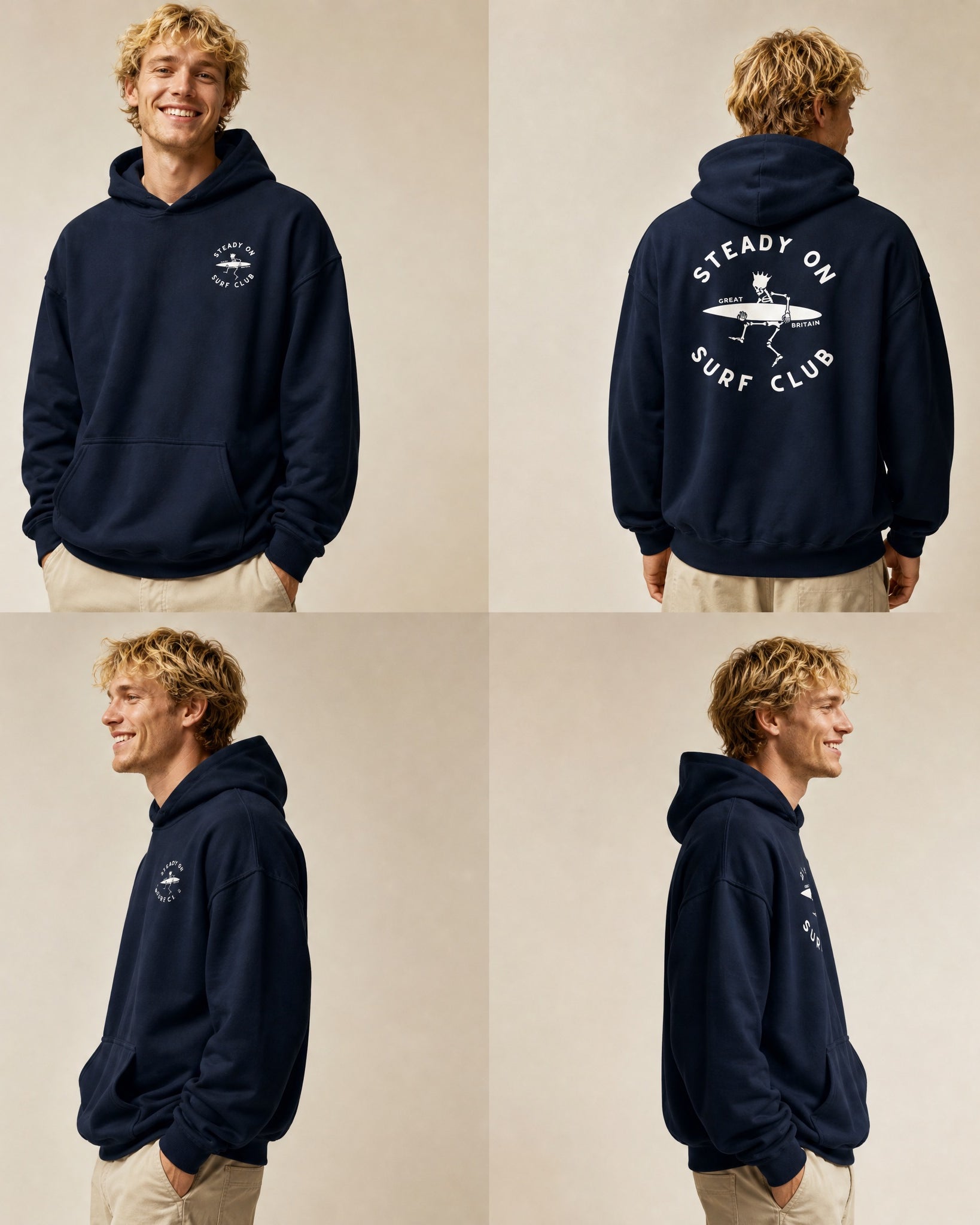
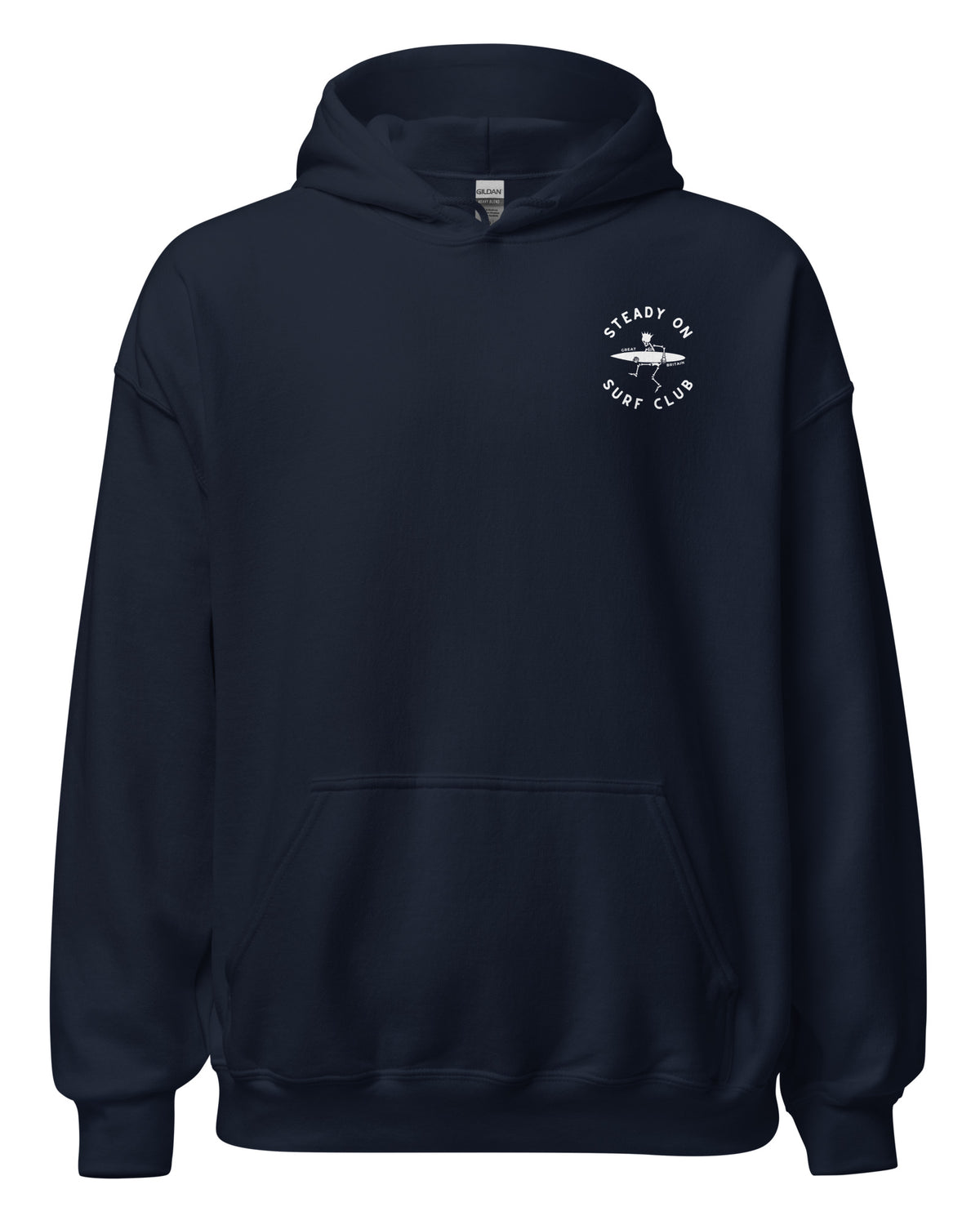
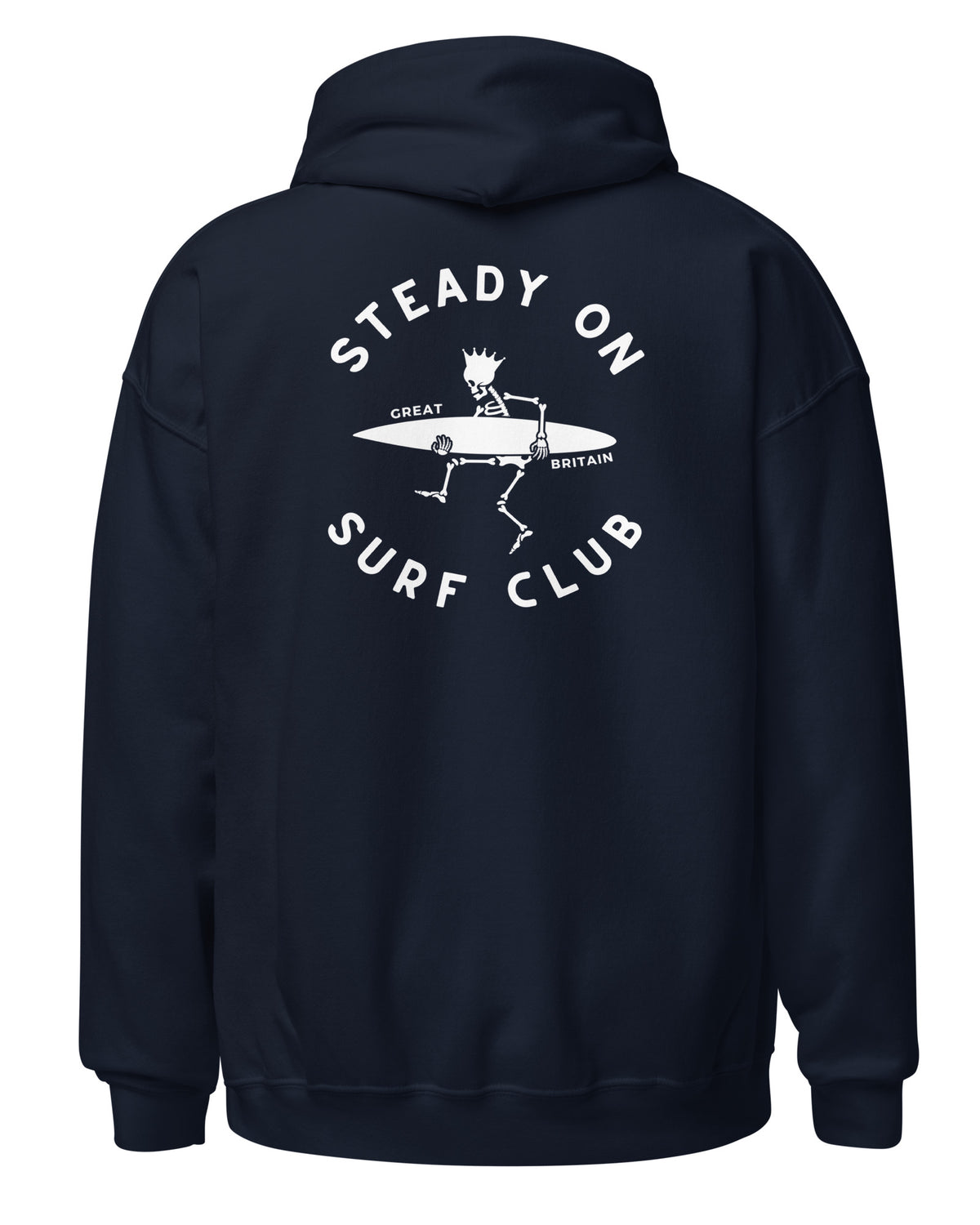
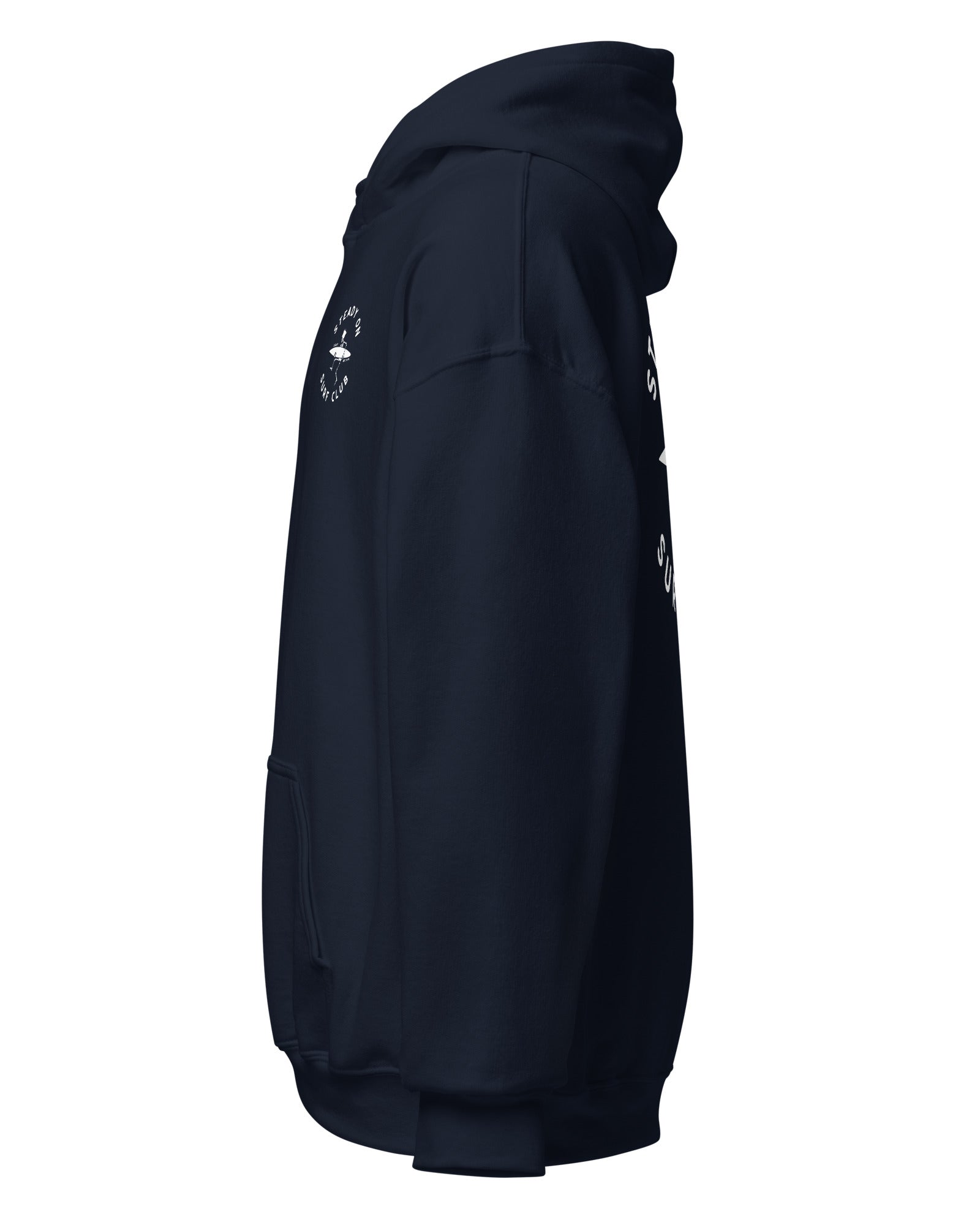
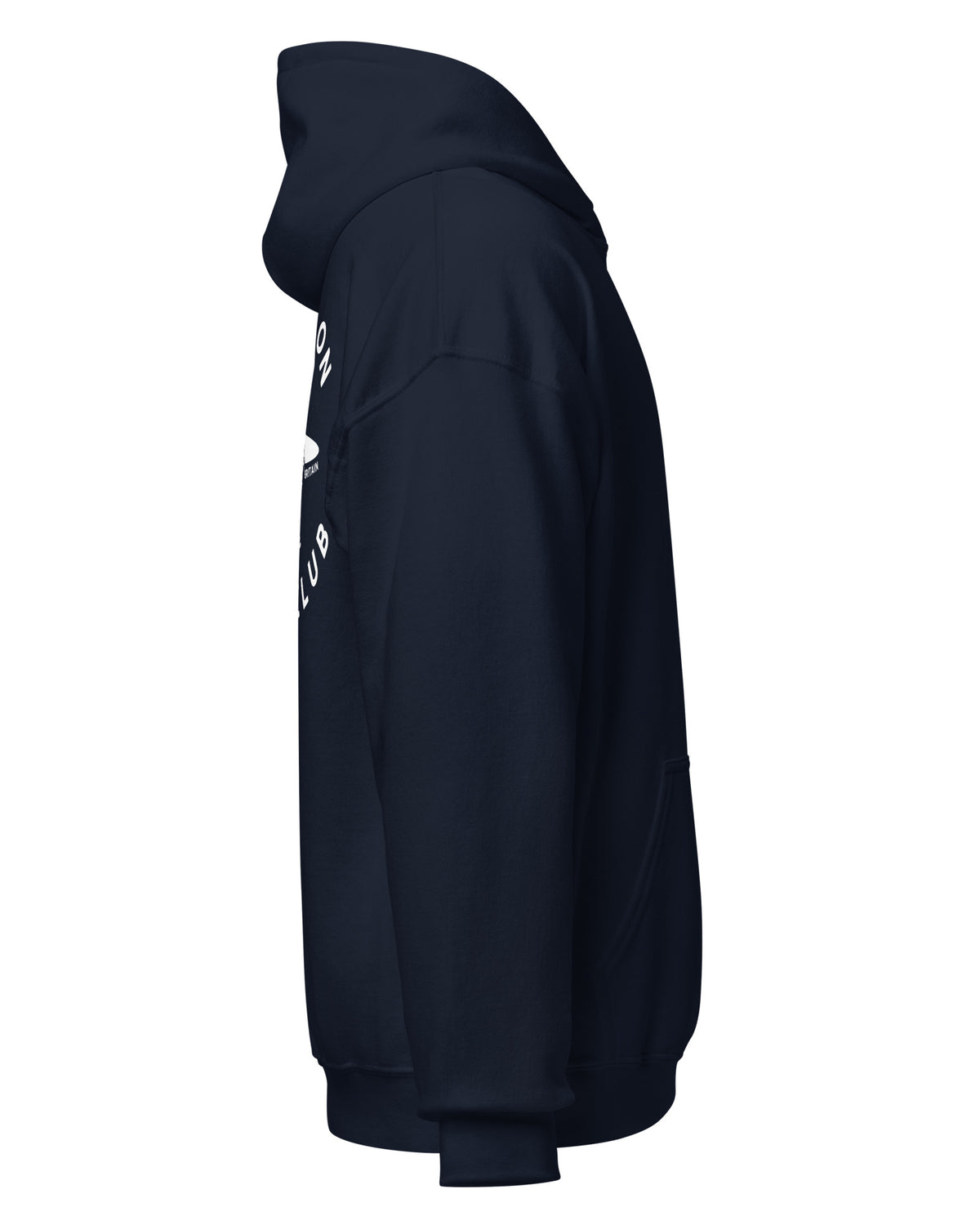
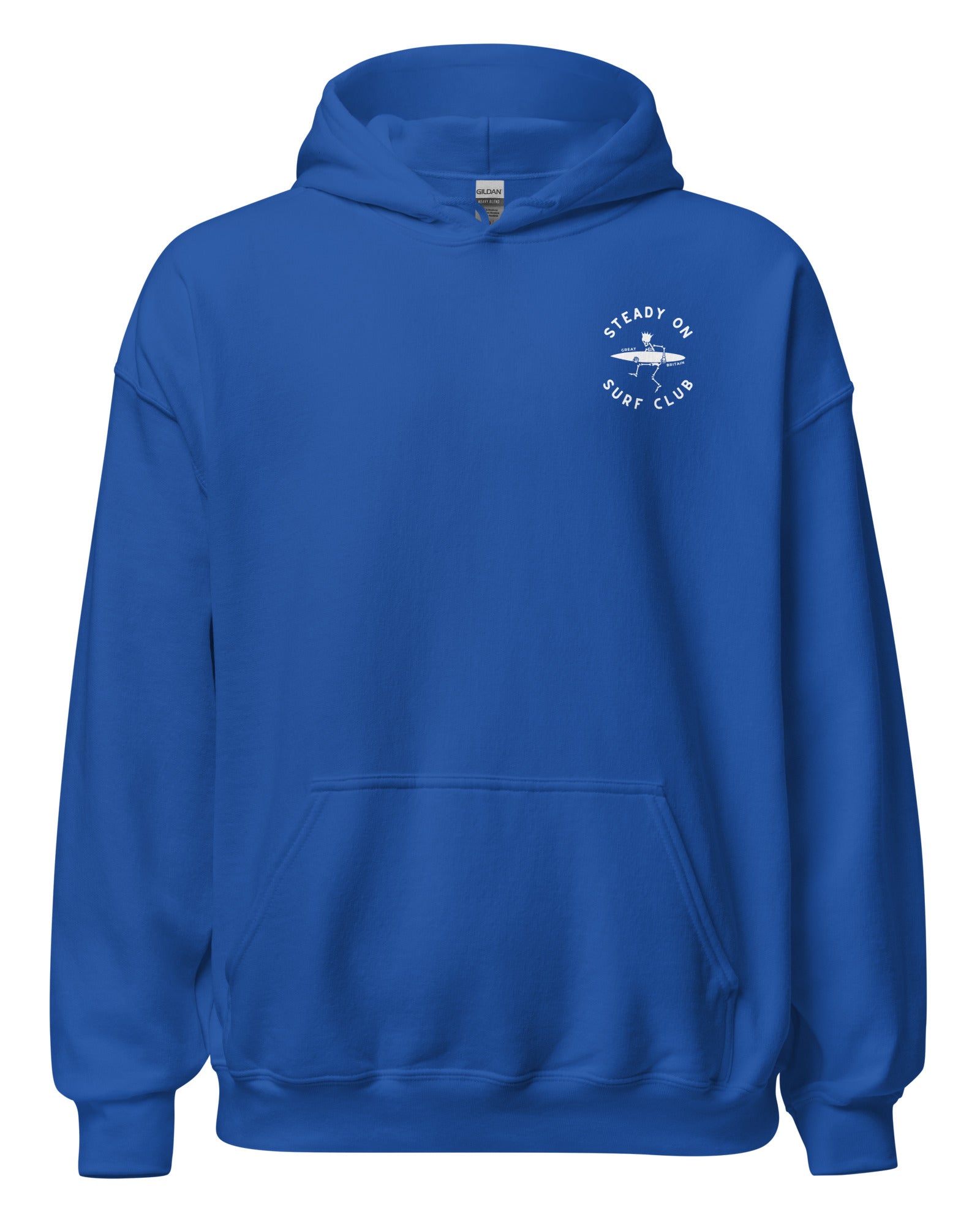
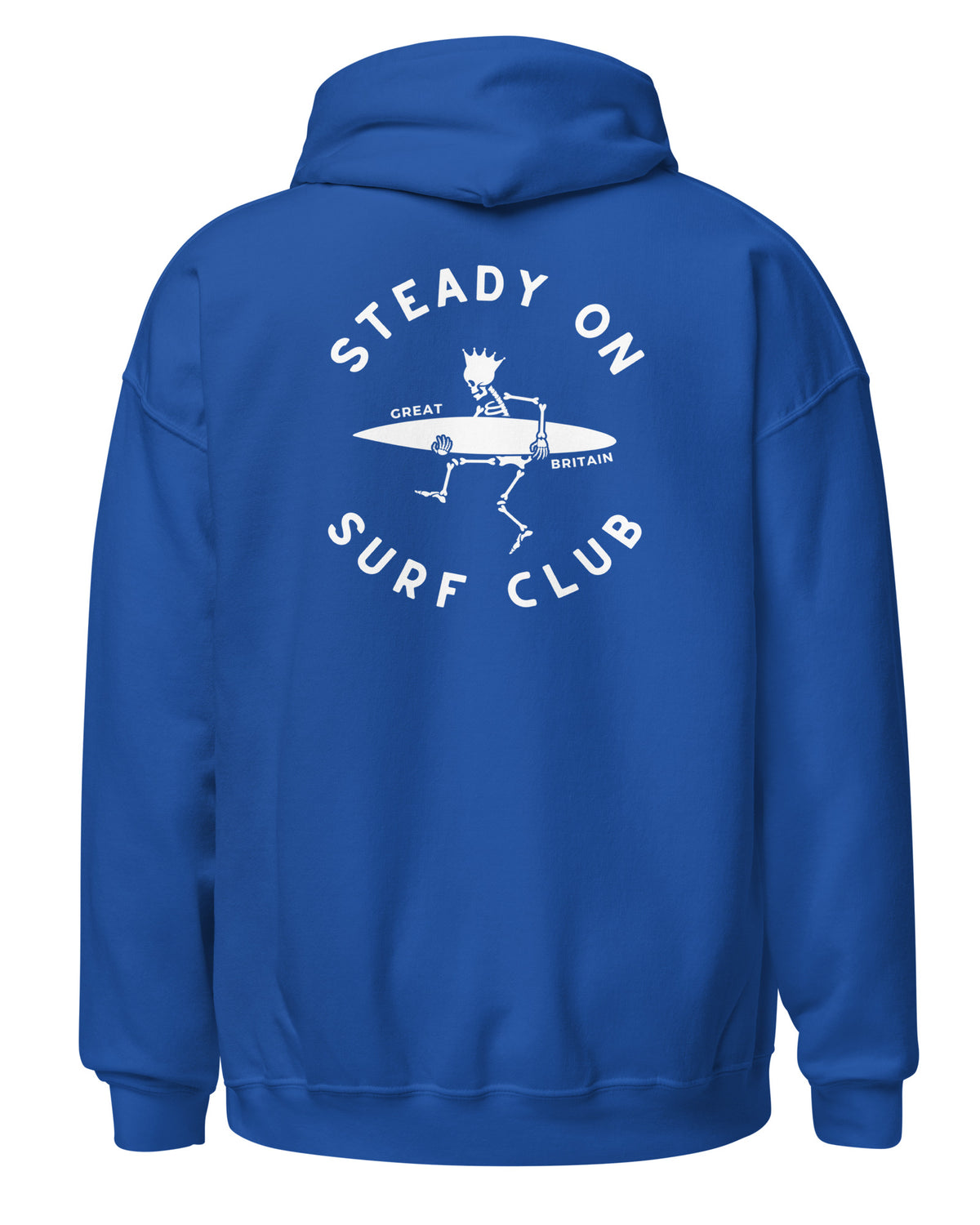
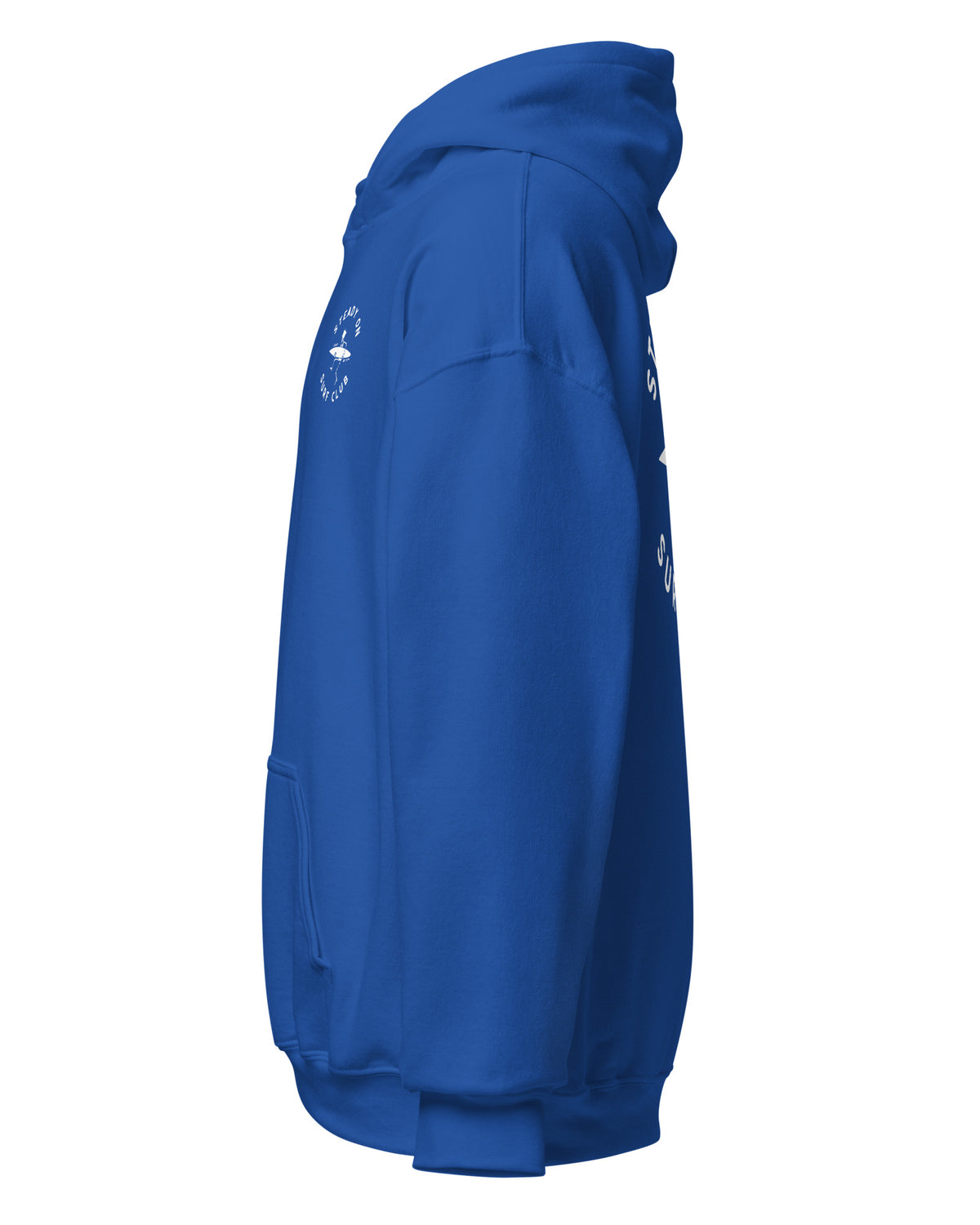
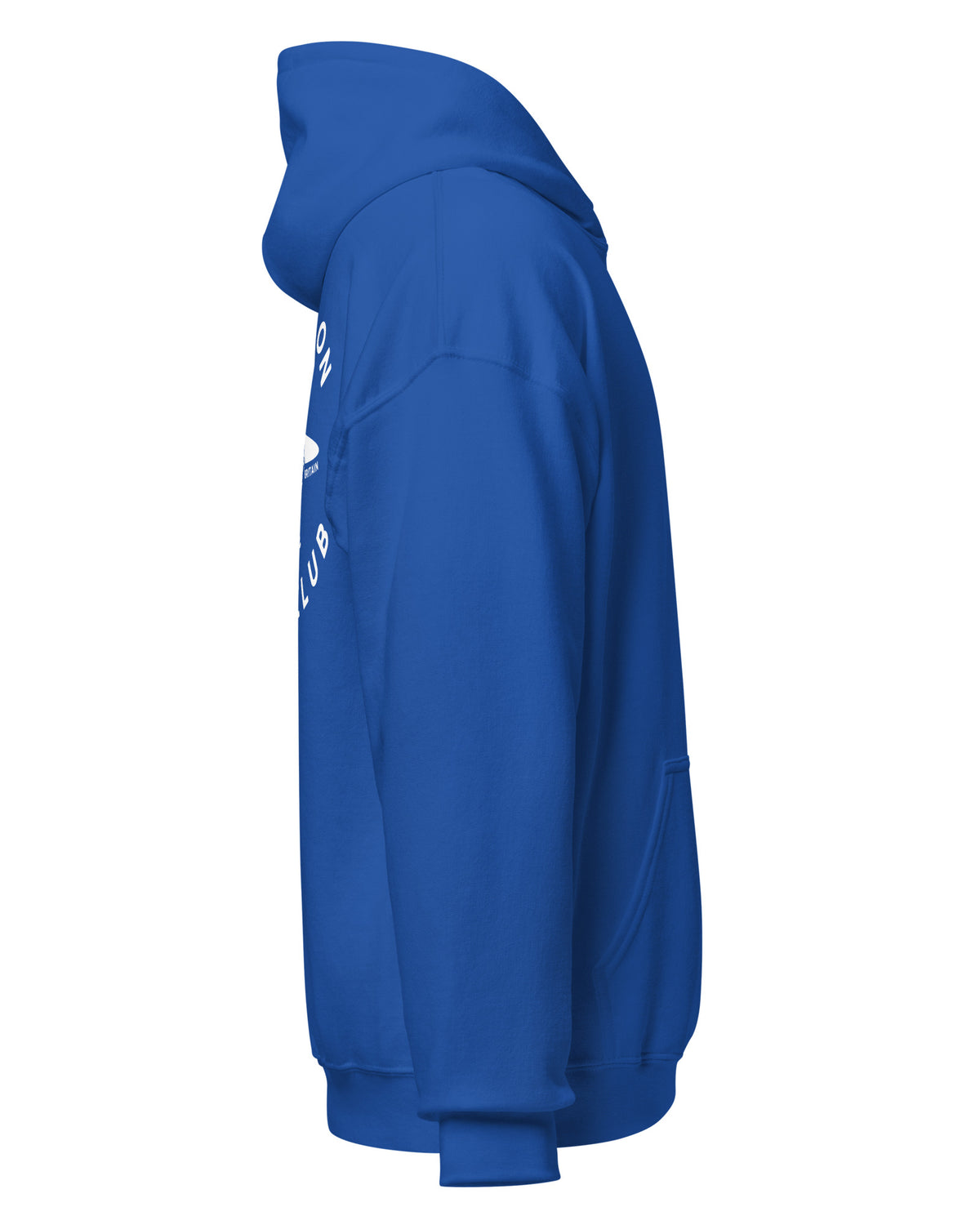
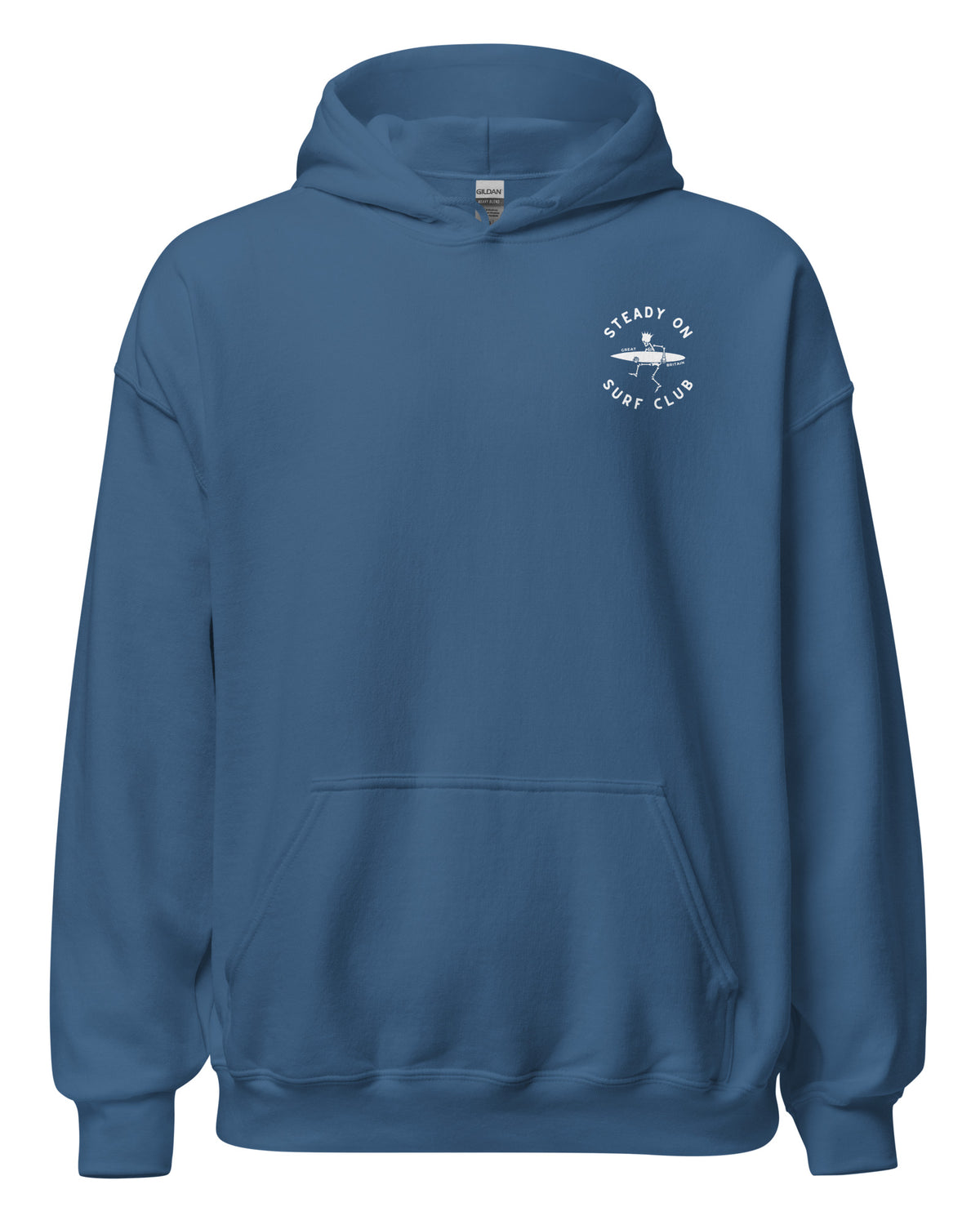
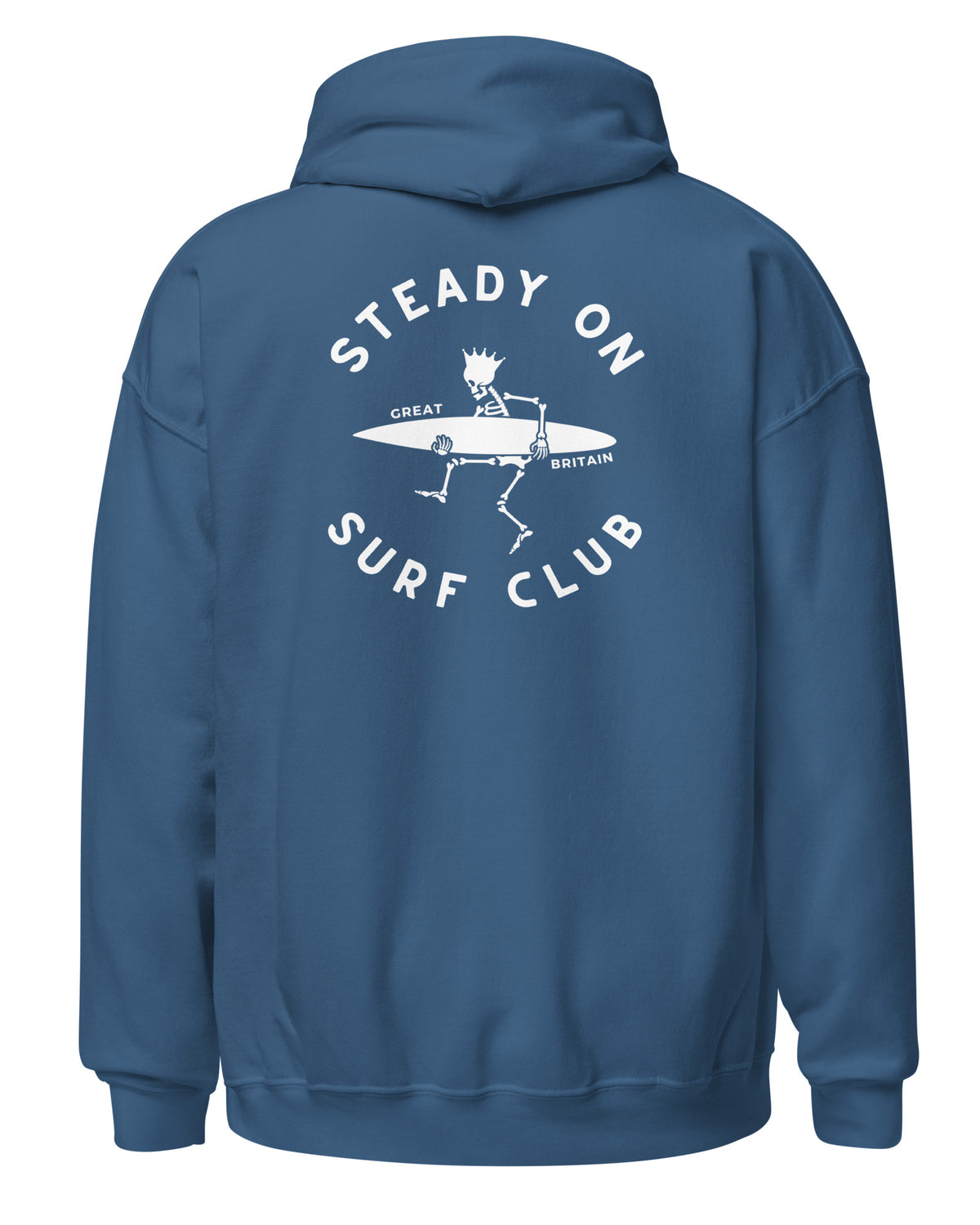
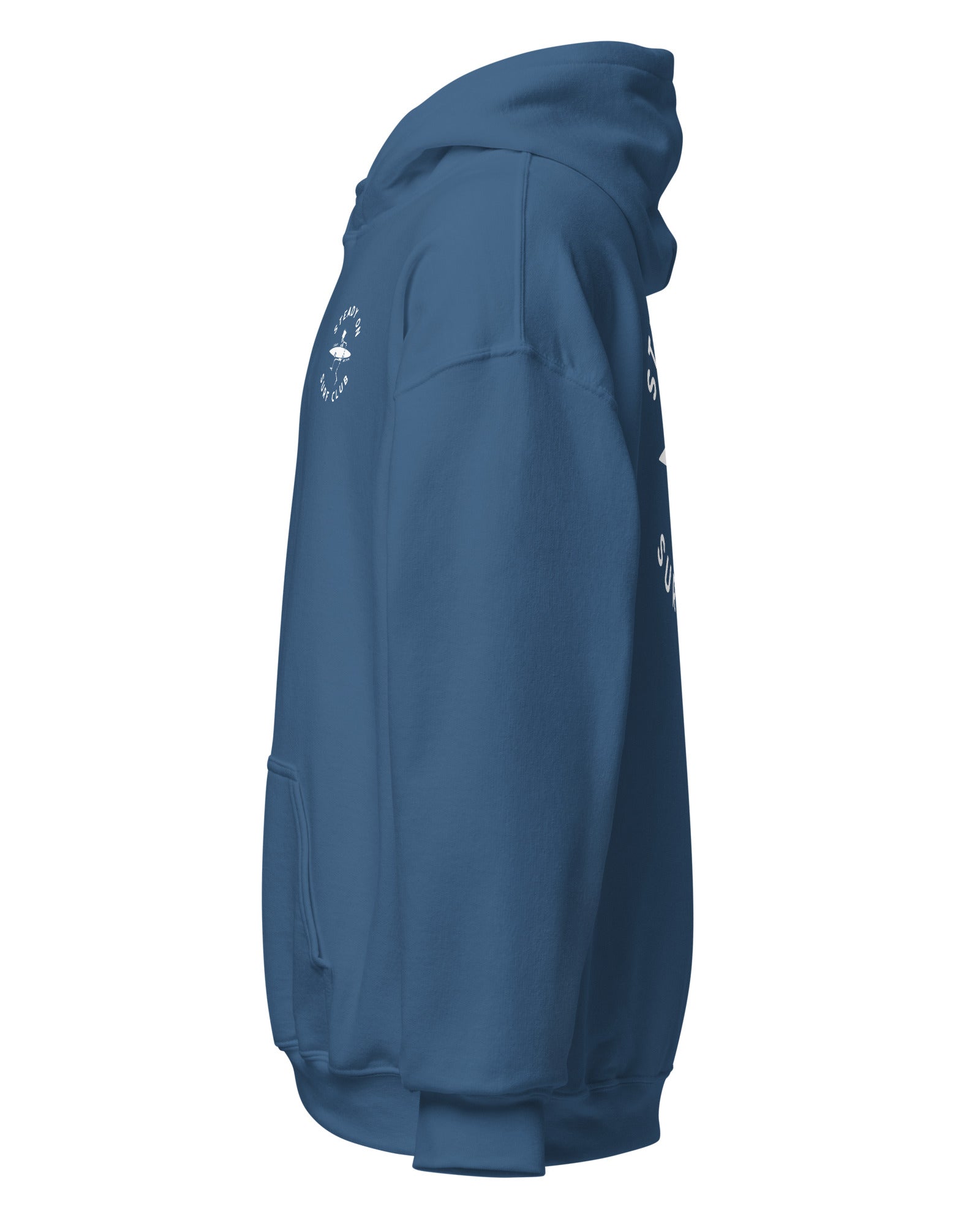
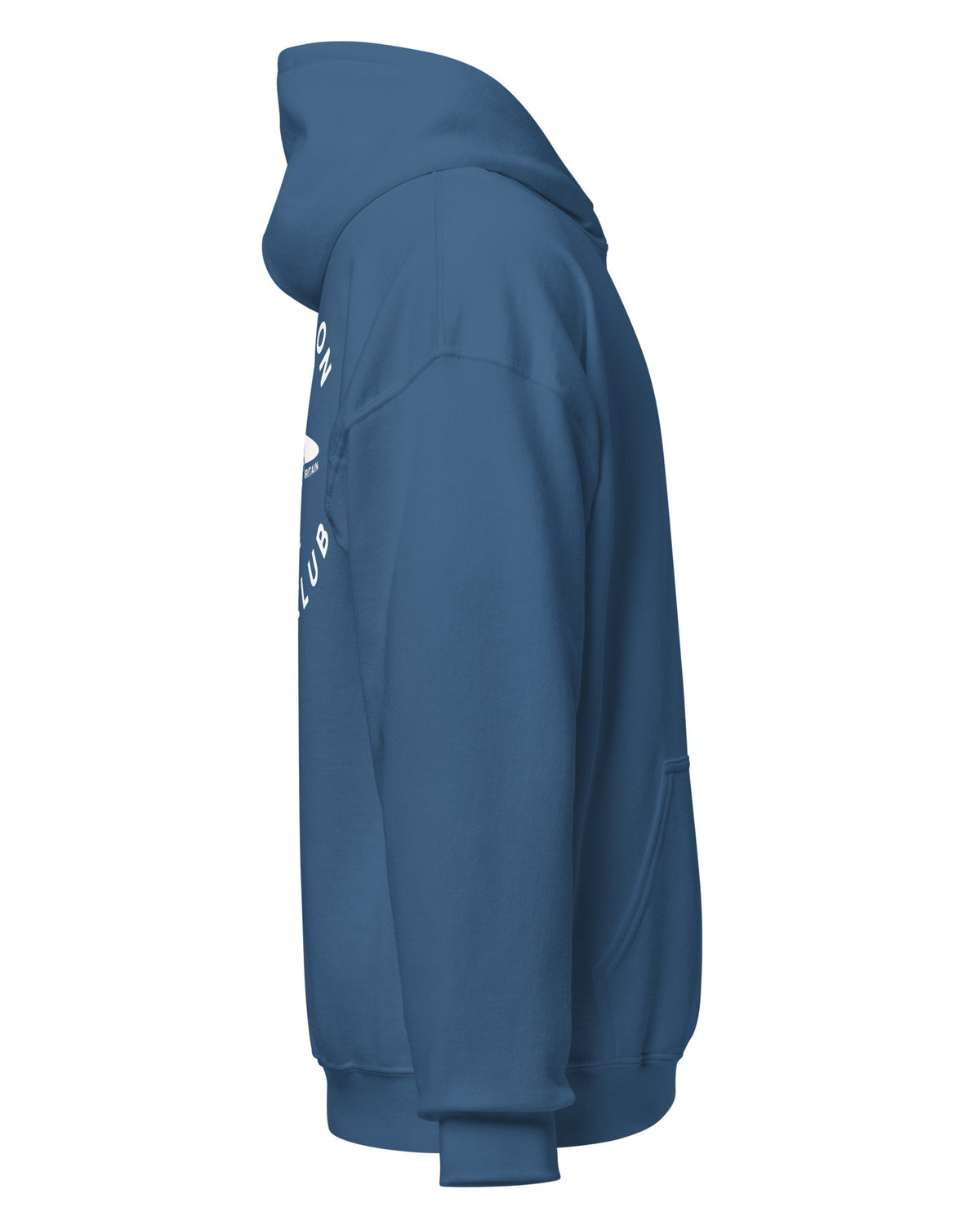
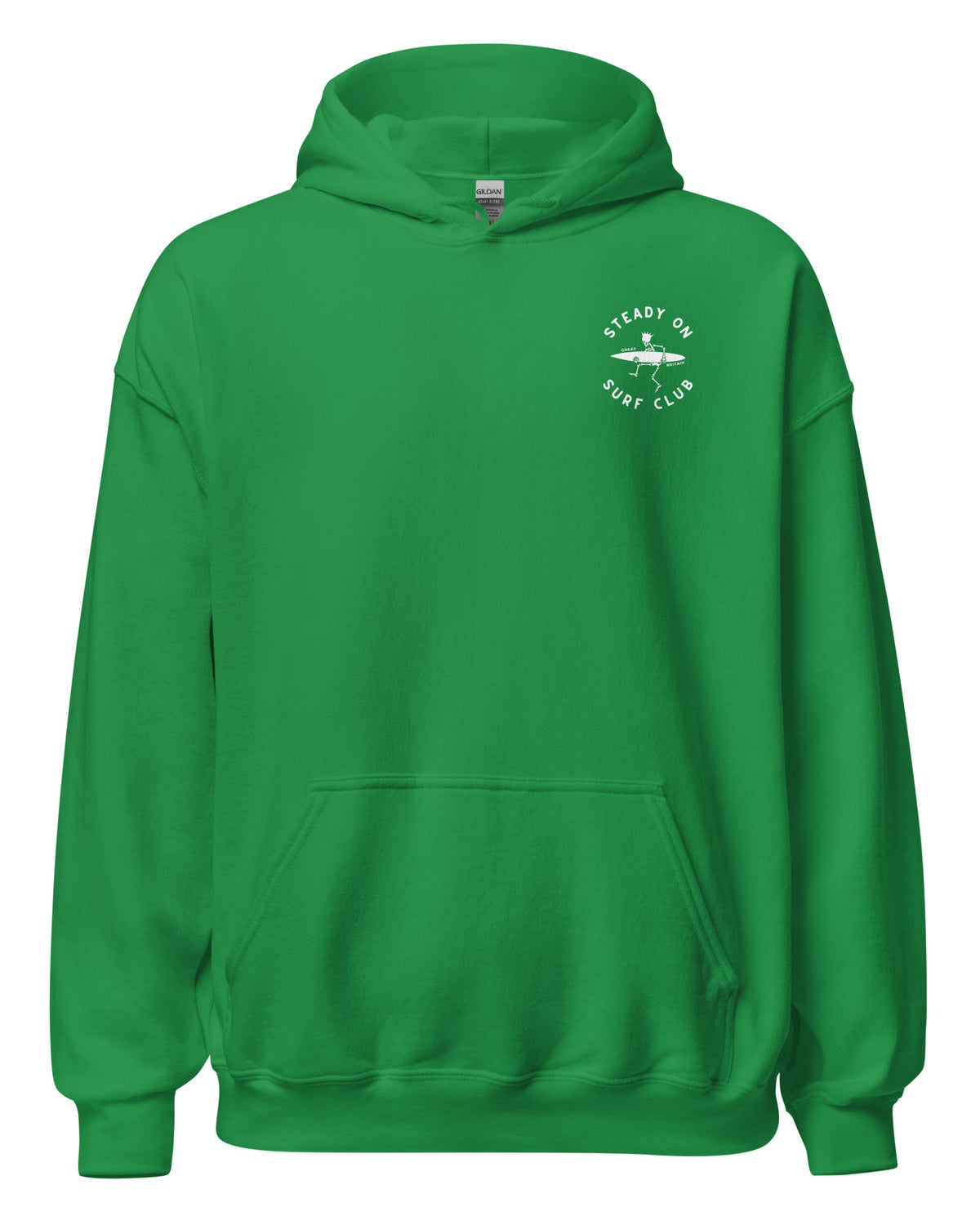
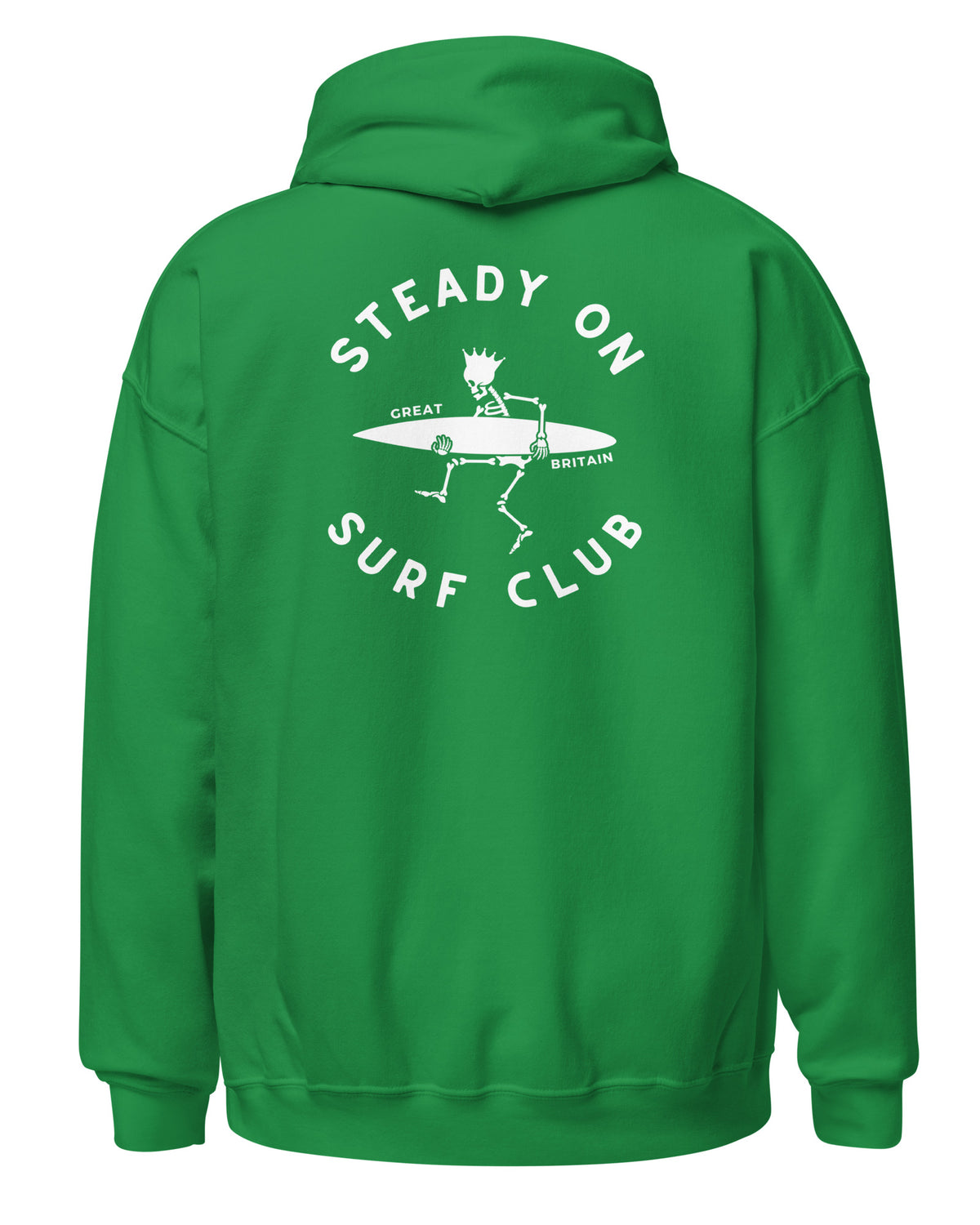
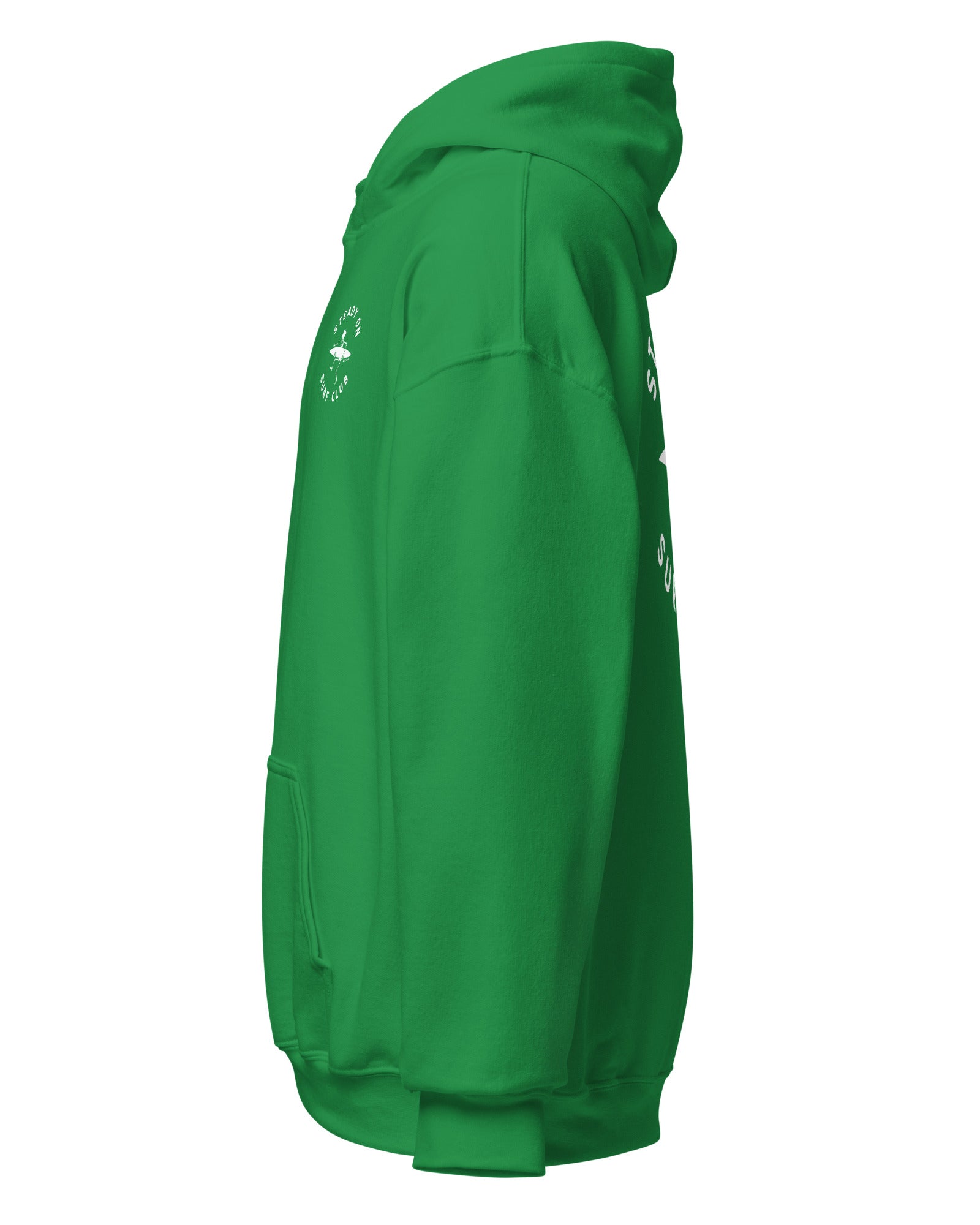
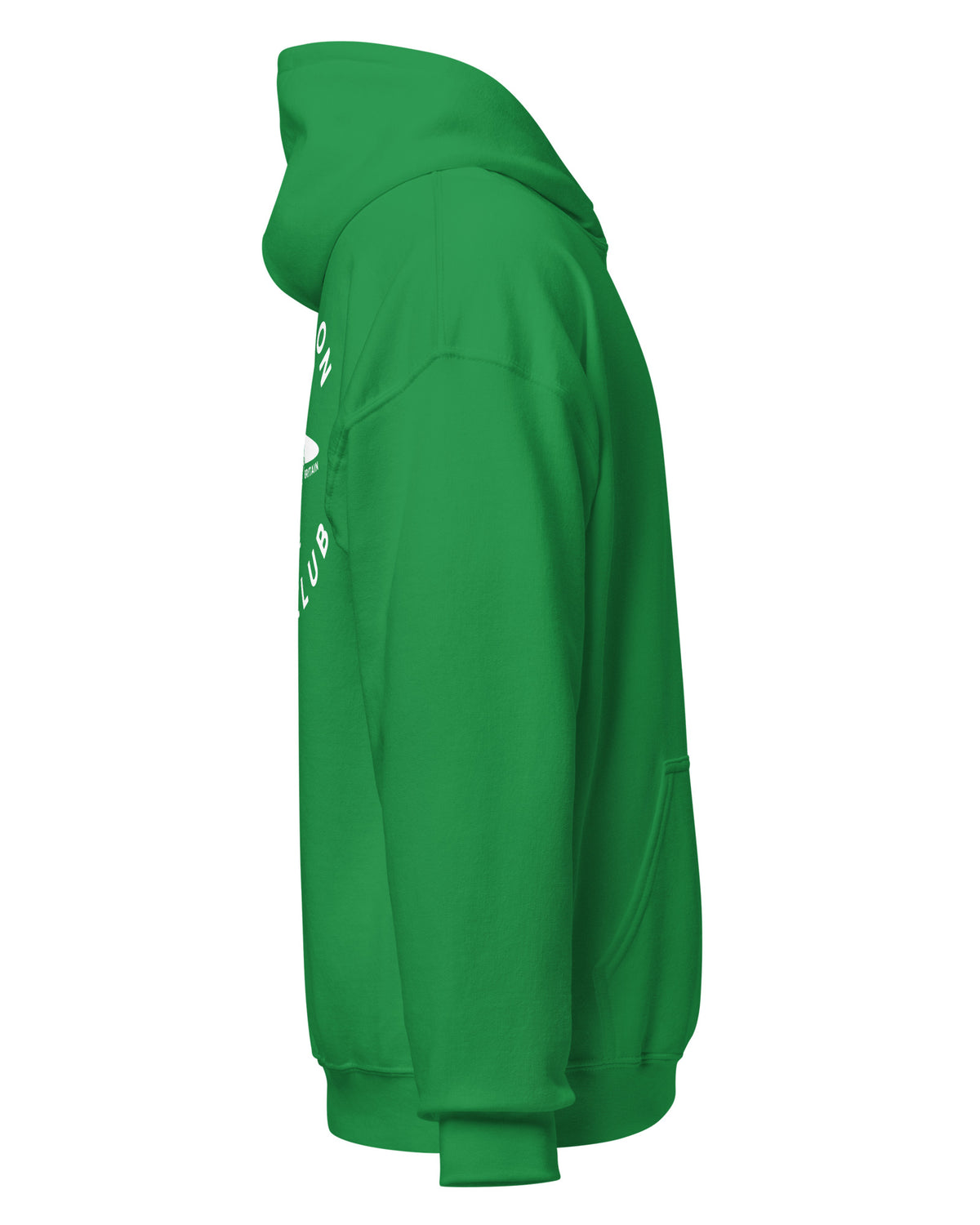
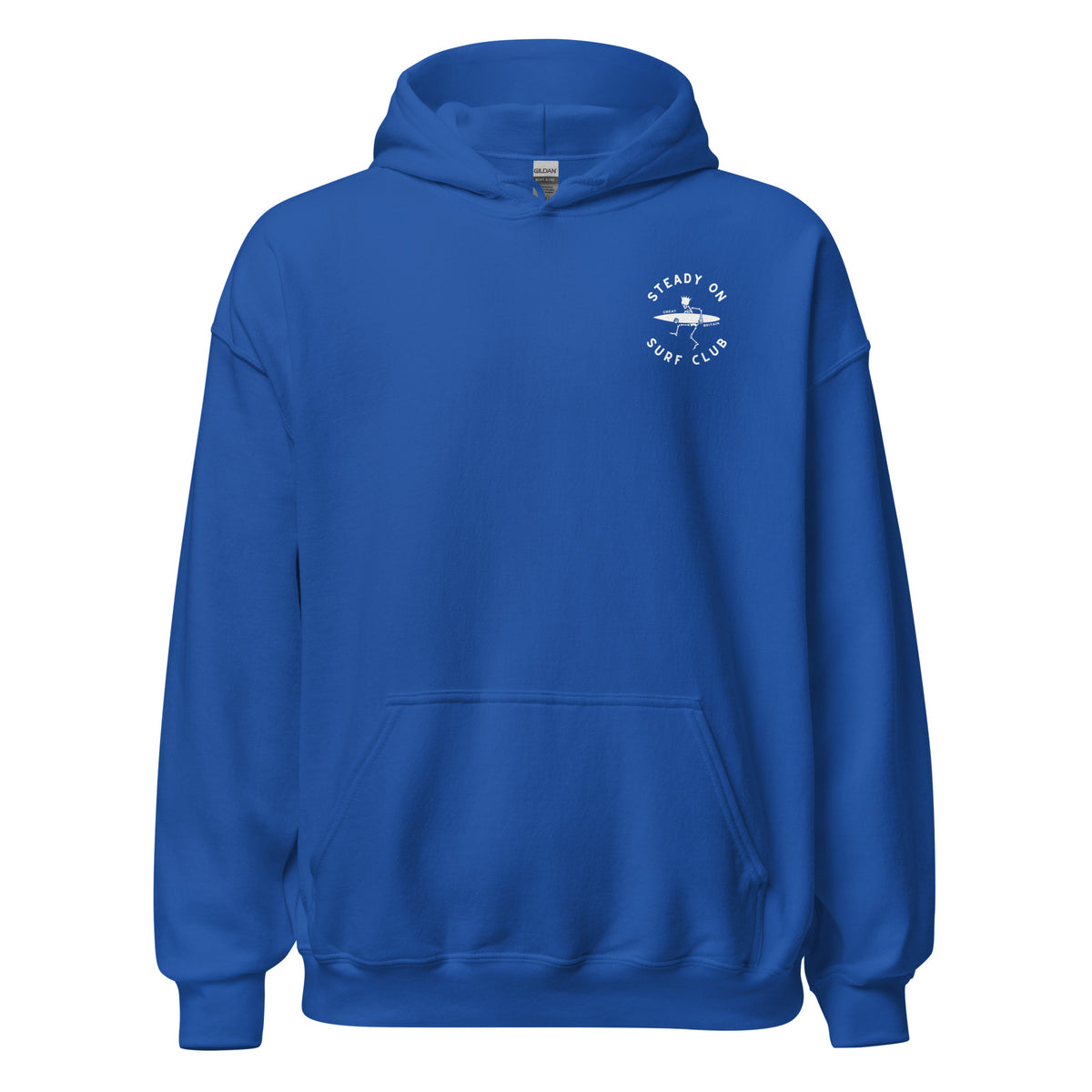
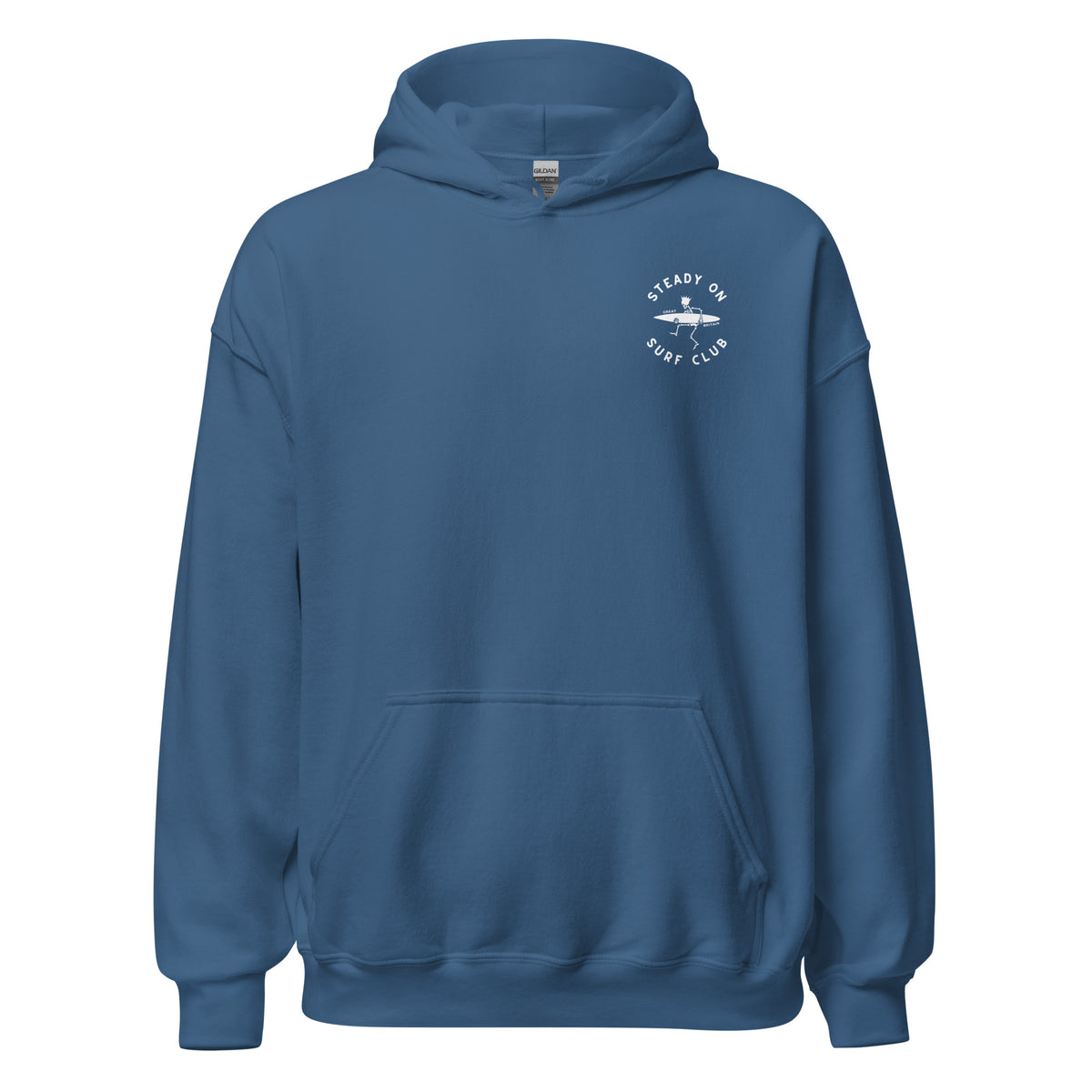
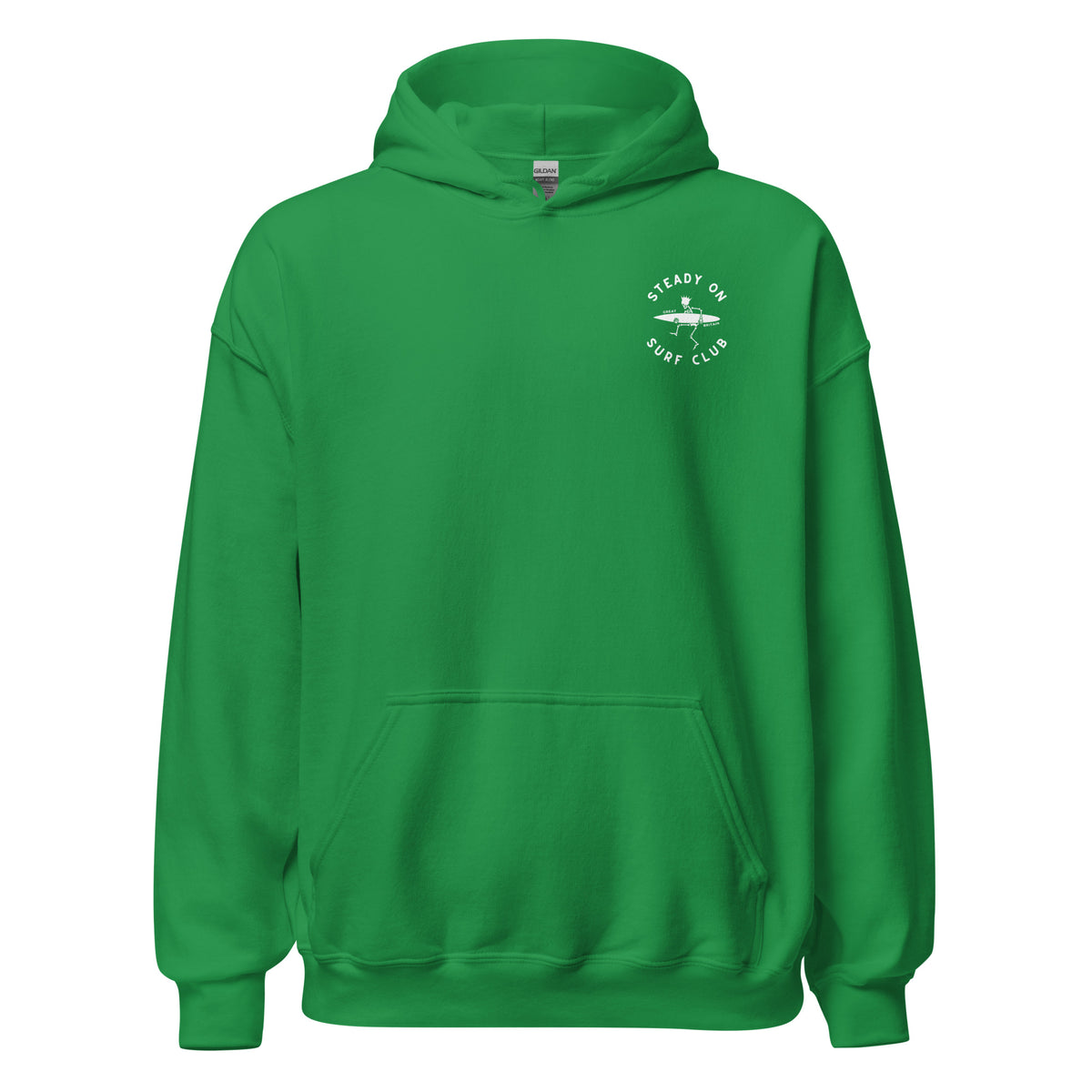
If Fistral speaks to you — the salt, the swell, the cheeky Cornish spirit — then you'll feel right at home in our Steady On Surf Club collection. Designed for those who surf Britain's waters with a grin on their face and a healthy disregard for sensible weather choices, the collection wears the soul of the British coastline with pride. The Skeleton Surf King Hoodie is the perfect companion for those post-session moments on the wall. Because steady on, surfer — you've earned it.